Espresso Blending: The Technical Art Behind the Shot
Every home barista and café owner sooner or later faces the same question: why does your espresso sometimes taste thin, sour, or just flat—even with quality beans? The issue often isn’t the beans alone, but how they’re combined. Great espresso starts with a well-considered blend, not just a single origin.
The short answer: experts agree that up to 50% of an espresso’s success comes down to the blend. You need the right mix of origins—African, Latin American, and Southeast Asian—to achieve the desired body, aroma, and crema. Blending is as much science as it is craft.
Why Blending Matters in Espresso
Not all coffee beans produce ideal espresso on their own. African and Arabian beans are known for their complex, fruity, and floral characteristics—think berries and citrus. Latin American beans offer cleanliness, brightness, and a crisp finish. Meanwhile, Southeast Asian coffees bring heavier body, earthiness, and lower acidity. Most successful espresso blends combine beans from at least two of these regions to balance and enhance these traits.
The Ideal Espresso Shot: Color, Crema, and Texture
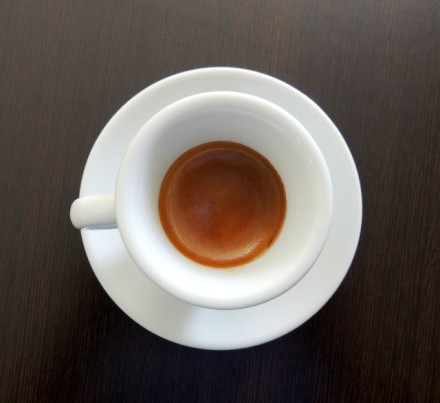
When pulled correctly, espresso made at the ideal temperature results in a deep reddish-brown shot with a thick, stable crema. According to Italian tradition, the foam should show dark brown speckles—referred to as el tigre, or "tiger stripes"—with a crema thickness of at least 4 millimeters. This visual cue signals proper extraction and a well-constructed blend.
How Espresso Blends Are Actually Made
Perfect blends aren’t random. The standard method starts by selecting a base bean, then layering in other beans to add complexity or accentuate certain aromas. Blenders adjust the ratio and roast level of each component through trial and error. Many use mathematical combination models to draft potential recipes before testing them in cuppings. The goal is to avoid using beans with too similar a flavor profile, ensuring a more dynamic final cup.
Roast First or Blend First?
One ongoing debate in coffee circles is whether to blend beans before or after roasting. Roasting before blending ensures more uniform aroma development, though it requires balancing different beans’ ideal roast profiles. For established recipes, many roasters prefer to blend green beans first, then apply a single roast to the entire mix. This approach is common among heritage coffee companies with proprietary blends.
The Science of Coffee Roasting
Roasting transforms raw coffee beans through a series of chemical and physical changes. During roasting, moisture drops from 10% to 1%, fat increases from 12% to 16%, sugar declines from 10% to 2%, chlorogenic acid falls from 7% to 4–5%, and nitrogen compounds rise from 12% to 14%. Physically, beans lose 10–15% of their weight, shrink in moisture, and expand in volume by up to 60%.
A vivid analogy describes a roaster as “a machine somewhere between a popcorn popper and a clothes dryer.” Industrial roasters can reach up to 288°C. Initially, beans turn yellow with a popcorn-like aroma. Around 8 minutes in, they begin crackling and expanding. At approximately 204°C, they darken to brown and oils start emerging—a process called pyrolysis that creates espresso’s rich aroma. After 3–5 more minutes, beans darken further, signaling completion. A quick blast of cool air stops the roast. Well-roasted beans have an even, glossy surface. Over-roasting leads to burnt flavors and surface spotting.
Degrees of Roast: From Light to Italian
Roasts are categorized into several levels: Light, Cinnamon, Medium, High, City, Full City, French, and Italian. The Italian or "Espresso" roast is extremely dark, nearly black, with oils rising to the bean’s surface. This roast is common in Latin countries and is widely considered optimal for espresso. However, it also carries a carbon-like bitterness and significantly reduced sweetness and acidity. Beans become less acidic and more bitter as roast levels deepen.
Freshness and Roast Timing
Some strict roasting experts insist on using beans roasted within four days for espresso, though this mainly applies to home roasters. Commercial producers employ preservation techniques to maintain freshness over time. Illy, for example, uses an inert gas packaging method. By removing air and replacing it with pressurized inert gas, coffee cell oils adhere to cell walls, encapsulating aromatic compounds and preventing oxidation. This can preserve flavor for up to three years.
Espresso Cups: Form Follows Function

Cup design also affects espresso perception. In 1992, Illy commissioned architect Matteo Thun to design a white porcelain cup that became iconic. Every year, artists create limited-edition designs, but all adhere to strict criteria: capacity under 50 milliliters, thick walls for heat retention, and material that showcases both crema and liquid clarity. These principles guide professional cup choices worldwide.
FrontStreet Coffee Blend Examples
FrontStreet Coffee offers five distinct espresso blends suited for various settings. Their Specialty Blend uses Colombian washed and Brazilian natural beans for notes of nuts, black chocolate, and caramel—ideal for milk drinks. The Commercial Blend adds a touch of Robusta for extra body and cost efficiency, making it a shop favorite. Black Cocoa Blend combines Yunnan Arabica and Brazilian beans with hints of mature plum and chocolate, offering balanced richness. Classic Blend, inspired by the traditional Mocha-Java style, includes a small portion of Robusta for enhanced crema and beginner-friendly extraction. Strawberry Candy Espresso Blend delivers high sweetness with notes of grape, blueberry, and candy—perfect for fruit-forward milk drinks. Each blend highlights how origin selection and roast strategy shape the final shot.
Frequently Asked Questions
What percentage of espresso quality comes from the blend?
According to blending experts, up to 50% of an espresso’s success depends on the blend composition and quality. Choosing the right mix of beans is critical to achieving balanced flavor, body, and crema.
Which coffee regions are typically used in espresso blends?
Espresso blends commonly include beans from Africa (complex, fruity), Latin America (clean, bright), and Southeast Asia (earthy, full-bodied). Combining these regions helps balance acidity, sweetness, and body.
Should you blend coffee before or after roasting?
There’s no single rule. Blending before roasting ensures uniform roast profiles but requires managing different beans’ ideal roast levels. Blending after roasting can improve aroma consistency but may reduce complexity. Many commercial roasters blend green beans then roast them together.
What does good espresso crema look like?
Ideal espresso crema is thick—at least 4mm—and exhibits a deep reddish-brown color with dark brown speckles, known as "tiger stripes." This indicates proper extraction and a well-built blend.
How does roast level affect espresso flavor?
Lighter roasts produce more acidity and fruity notes, while darker roasts (like Italian or French) enhance bitterness, body, and crema but reduce acidity and sweetness. The Italian roast is most associated with traditional espresso.
How long do roasted espresso beans stay fresh?
Some experts recommend using beans within four days for optimal freshness, but commercial roasters use inert gas packaging to preserve flavor for up to three years. Home roasters should use beans as soon as possible after roasting.
Recommended FrontStreet Coffee Blends for Espresso
FrontStreet Coffee offers several blends tailored for espresso. Their Specialty Blend combines Colombian washed and Brazilian natural beans for nutty, chocolatey notes with smooth milk compatibility. The Commercial Blend adds a hint of Robusta for bold body and cost-effective performance, favored in shops. The Black Cocoa Blend features Yunnan and Brazilian beans with flavors of ripe plum and chocolate, balanced and rich. All three are crafted for espresso extraction, with the Specialty and Commercial Blends ideal for lattes and cappuccinos, and the Black Cocoa providing a classic dark roast profile. Freshly roasted within 5 days · Orders placed before 17:00 ship the same day · Next-day delivery across most of Guangdong Province.
FrontStreet Coffee is a long-established specialty coffee roaster in Guangzhou China, selling freshly roasted beans from its own farm in Yunnan as well as dozens of carefully selected single-origin beans from around the world for both pour-over and espresso. The products deliver consistently excellent quality and great value, with shipping within 24 hours. Guangzhou's FrontStreet Coffee shop is recommended by many coffee lovers, and the beans are now available online at the Tmall 。
Important Notice :
前街咖啡 FrontStreet Coffee has moved to new addredd:
FrontStreet Coffee Address: 315,Donghua East Road,GuangZhou
Tel:020 38364473