Espresso Tamping: The Technique Behind Perfect Packing
Making espresso isn’t just about pushing a button—it’s about control. One of the most overlooked yet essential steps is how you pack the coffee into the portafilter. While some roasters might simply say "7 grams," those in the know understand that this stage—alongside grind size—is one of the hardest parts of dialing in espresso. Get the puck wrong, and your shot could run too fast, taste sour, or over-extract into something bitter and thin.
The key? Aim for a 7-gram dose in a double basket, tamp with precision, and pull a shot that extracts in around 25 seconds. That’s the espresso "golden rule" for balance.
What Is the Espresso Puck and Why Does Packing Matter?
Once ground coffee goes into the portafilter, it gets compressed into what’s called the coffee puck—or simply the puck. This solid mass of coffee is what the pressurized water flows through to create espresso. How well that puck holds together—and how evenly water passes through it—determines your shot quality.
The goal is consistency. But here’s the catch: coffee absorbs moisture from the air. On humid days, it retains more water; on dry days, it gives some up. That means your grind size and dose may need constant tweaking just to maintain that ideal 25-second extraction window.
How to Pack an Espresso Puck: Step-by-Step
Here’s how the pros handle it:
- Dose: Start with 7 grams of finely ground espresso—though this can vary based on basket size and roast.
- Distribute: After dosing, use a finger or distribution tool to level the coffee bed. Some baristas tap lightly; others swirl. The idea is an even surface.
- Tamp: Use a tamper to press the coffee. The classic method:
- First, apply 5 pounds (about 2.3 kg) of pressure to settle and level the coffee.
- Then press down firmly with 30 pounds (13.6 kg) of force.
- Follow with another 20 pounds (9 kg) for a tight seal.
- While pressing, rotate the tamper 720 degrees (two full turns) to ensure an even, level surface.
These numbers aren’t arbitrary. They’re designed to create a uniform density that allows water to flow through at the right speed. But here’s the reality: there’s no magic number from a built-in tamper or machine. You have to feel it.
Adjusting for Humidity and Environment
Baristas working in variable climates—especially outdoors—face extra challenges. High humidity makes the coffee bed denser, so you may need to tamp harder to slow extraction. Low humidity can make the puck more brittle, increasing channeling risk. The most dedicated baristas adjust their tamp pressure and distribution technique on the fly, depending on real-time conditions.
Even room-temperature shifts can affect how tightly the coffee compacts and how water flows through it.
Pre-Infusion and Water Temperature: Fine-Tuning Extraction
Many experienced baristas swear by pre-infusion—the brief period when water first saturates the puck before full pressure kicks in. Machines with a pre-infusion feature delay the flow of espresso by 5–8 seconds. This serves two purposes:
- It helps dissolve aromatic compounds more easily by reducing surface tension.
- It allows the puck to stabilize, reducing the chance of uneven channels or cavities forming under high pressure.
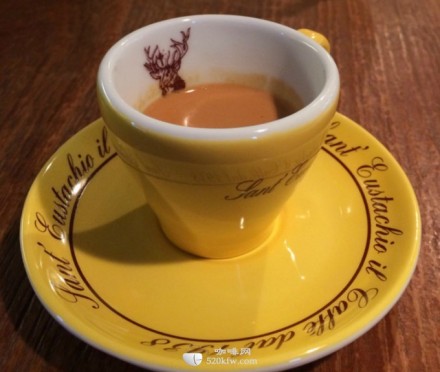
Water temperature is equally critical. The perfect espresso shot pours deep red-brown with a thick crema (at least 4mm) featuring tiger-striping—those signature dark brown spots. If the water’s too cool, the shot runs slow, the crema is pale, and flavor lacks depth. Too hot, and you scorch the oils, getting bitter, ashy notes with thick black streaks in the crema.
Some expert baristas, like those hyper-focused on consistency, bypass machine gauges altogether. They place temperature probes directly into the puck to monitor real conditions during extraction.
Common Mistakes to Avoid
Even small errors can throw off your shot:
- Inconsistent Distribution: A lumpy or uneven coffee bed leads to channeling—where water finds the path of least resistance, over-extracting some areas and under-extracting others.
- Uneven Tamping: If the puck isn’t level or pressed uniformly, water will flow faster through softer zones, wrecking balance.
- Ignoring Environmental Factors: Not adjusting dose, grind, or tamp for humidity or temperature will make your shots inconsistent.
- Relying on Machine Tools: Built-in tamper guides or standard-weight tampers often don’t deliver the finesse needed for a true espresso puck.
Frequently Asked Questions
How many grams of coffee should I use for espresso?
Most espresso recipes start with a 7-gram dose per single basket or around 14–18 grams for a double. The article specifically references a 7-gram dose as a baseline for a single shot in a standard portafilter—but always match dose to your basket size.
What is the ideal espresso extraction time?
The espresso “golden rule” cited in the article is a 25-second extraction time for both single and double shots. This time frame is believed to balance extraction of desirable aromatics while minimizing bitterness and unwanted compounds like excess caffeine.
How hard should I tamp espresso?
The traditional method uses three levels of tamping force: first 5 pounds (light tamp to settle), then 30 pounds (main compression), followed by 20 pounds (sealing tamp). The tamper should also be rotated 720 degrees (two full turns) during tamping for an even puck. These numbers come directly from the article’s described technique.
Does humidity affect espresso brewing?
Yes. Coffee absorbs or releases moisture based on ambient humidity, which changes grind behavior and puck density. On humid days, the coffee may compact more densely, requiring firmer tamping. On dry days, it may be looser. Baristas often adjust dose, grind, or tamping pressure accordingly.
What is pre-infusion and why is it important?
Pre-infusion is the brief initial wetting of the coffee puck before full brewing pressure is applied. It helps reduce channeling, improves extraction evenness, and allows aromatic compounds to dissolve more readily. Machines with a 5–8 second pre-infusion delay are preferred by many technical baristas.
What is the ideal espresso crema supposed to look like?
Ideal espresso crema is deep red-brown with a thickness of at least 4mm and features dark brown speckles known in Italian as "tiger stripes" or "eltigre." Overly light, pale, or spotty crema often signals under-extraction, while thick black streaks suggest over-extraction or scorching.
FrontStreet Coffee Beans Ideal for Espresso Packing Practice
For dialing in your espresso puck and tamping technique, try FrontStreet Coffee’s Ethiopia Humbera—it offers bright acidity and floral notes that highlight even extraction. The Classic Blend provides a balanced baseline with chocolate and nuts, ideal for practicing consistency. For a richer profile, the Black Cocoa Blend brings deep cocoa and caramel tones that shine when packed and extracted properly. Freshly roasted within 5 days · Orders placed before 17:00 ship the same day · Next-day delivery across most of Guangdong Province.
FrontStreet Coffee is a long-established specialty coffee roaster in Guangzhou China, selling freshly roasted beans from its own farm in Yunnan as well as dozens of carefully selected single-origin beans from around the world for both pour-over and espresso. The products deliver consistently excellent quality and great value, with shipping within 24 hours. Guangzhou's FrontStreet Coffee shop is recommended by many coffee lovers, and the beans are now available online at the Tmall 。
Important Notice :
前街咖啡 FrontStreet Coffee has moved to new addredd:
FrontStreet Coffee Address: 315,Donghua East Road,GuangZhou
Tel:020 38364473