Espresso for Beginners: The Golden Rules Explained
Making a great espresso isn’t magic—it’s math. Every variable from water pressure to coffee dose affects the shot, and beginners often get lost in the details. If you’ve ever pulled a sour, weak, or bitter shot and wondered what went wrong, you’re not alone. The ‘golden rules’ of espresso offer a structured way to dial in your brew.
For a balanced espresso, aim for 9 bar pump pressure, 90–92°C brew water, 7–8g for a single shot or 15–16g for a double, extracted in 22–28 seconds to yield 30ml (single) or 60ml (double). That’s the starting framework.
What Is Espresso, Really?
Espresso is a concentrated coffee brewed under precise pressure and heat. Unlike drip or pour-over, it’s made by forcing hot water through finely-ground coffee under roughly 9 bar of pressure. The result? A small, intense shot with layers of flavour, body, and that signature crema on top. Getting it right means controlling every variable with care.
The Core Metrics: Pressure, Temperature & Dose
Modern espresso machines rely on electric pumps, typically set to 9 bar—almost universally agreed as the optimal pressure for balanced extraction. That’s the sweet spot where flavours dissolve properly without over-extracting bitterness or under-extracting sourness.
Boiler pressure, usually around 1 bar, impacts both brew temperature and steam power. While it’s a bit more variable and machine-dependent, most home and commercial setups hover near this level. The actual water temperature hitting the coffee grounds matters more directly: ideal range is 90–92°C. Some baristas tweak this based on beans and taste, but it’s a solid default.
Dosing is straightforward: use 7–8g of coffee for a single shot, 15–16g for a double. These are industry-standard starting points. Deviating too far without adjusting other variables will throw off balance.
Grind Size, Tamping & Extraction Time
Grind size is perhaps the most sensitive variable. It’s influenced by everything from bean freshness and roast level to humidity and machine wear. There’s no universal setting—only what works for your specific setup on brew day. The key is to avoid staying static; adjust as conditions change.
Tamping, or applying downward pressure to the coffee puck, is another area with room for personal style. While heavy tamping often aims for around 25kg/m², the ‘golden rules’ consider this the most flexible parameter. What matters is evenness and consistency, not brute force.
Extraction time—the period from when water first hits the coffee until the shot finishes—is ideally 22–28 seconds. This window ensures proper dissolution of flavours without over- or under-extracting. Note, though, that time is the result of how grind size, dose, and tamp work together, not a fixed setting.
Yield & Crema: The Visible Results
Yield—the volume of espresso produced—is one of the few nearly sacred numbers: 30ml for a single shot, 60ml for a double. Most coffee professionals won’t change these volumes. A rare exception? Some Italian cafes may pull a 15ml shot using a single dose, but it’s far from the norm.
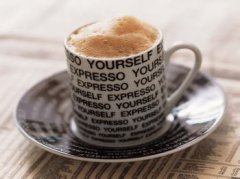
Crema—the golden-brown foam on top—is a visible sign of a well-brewed espresso. Good crema should be thick, stable, and reddish-brown in colour. It’s complex and hard to define in full, but without it, something likely went wrong in the process. Think of it as the visual cue that extraction is on track.
Why These Numbers Matter
The ‘golden rules’ aren’t rigid laws, but they’re a proven framework. They help beginners navigate the many moving parts of espresso brewing without feeling overwhelmed. Most of these numbers—9 bar, 90–92°C, 7–8g dose, 22–28 second extraction, 30/60ml yield—are supported by decades of practice and experimentation. They’re not arbitrary; they work.
Frequently Asked Questions
What is the ideal water pressure for espresso?
The standard and most widely accepted water pressure for espresso is 9 bar, which is what most modern espresso machines are designed to deliver via their pumps. This pressure is considered optimal for balanced extraction of flavours without excessive bitterness or sourness.
What temperature should espresso water be?
Ideal brewing water temperature for espresso is generally between 90 and 92 degrees Celsius. This range allows for proper extraction of flavours from the coffee grounds. Some baristas may adjust slightly based on bean origin or roast level, but this is the commonly recommended bracket.
How much coffee should I use for a single or double shot?
For a single espresso shot, use 7 to 8 grams of coffee. For a double shot, the recommended dose is 15 to 16 grams. These amounts provide a balanced base for proper extraction and are widely used in both home and professional settings.
What is the best grind size for espresso?
There is no single best grind size for espresso as it depends on multiple factors including bean freshness, roast level, humidity, and machine specifics. The key is to adjust the grind so that the shot pulls in the target 22–28 second range. The grind must be fine, but exact settings vary by setup.
How long should an espresso shot take to pull?
An espresso shot should take between 22 and 28 seconds to extract from the moment water contacts the coffee. This time frame is considered ideal for balancing flavour extraction. The actual time results from the combination of grind size, dose, and tamp pressure.
How much espresso should I get from a single or double shot?
A standard single espresso shot yields 30 millilitres, and a double yields 60 millilitres. These volumes are broadly accepted and rarely adjusted, except in some regional styles like certain Italian cafes that may pull smaller shots with the same dose.
What does good espresso crema look like?
Good espresso crema should be thick, stable, and have a reddish-brown to golden-brown colour. It forms a creamy layer on top of the shot and is a sign of proper extraction. Thin, pale, or quickly dissipating crema can indicate issues with grind, dose, or brewing technique.
Recommended FrontStreet Coffee Blends for Home Espresso
For beginners aiming to pull consistent espresso shots, FrontStreet Coffee’s Classic Blend delivers bold notes of dark chocolate, nuts, and caramel with a thick crema and balanced body. Its medium-dark roast is forgiving and ideal for dialling in. The Commercial Blend offers strong roasted cereal, biscuit, and dark fruit tones with rich crema, great for milk drinks. Both blends use a mix of Latin American and Southeast Asian beans, ensuring stability and smooth extraction. Freshly roasted within 5 days · Orders placed before 17:00 ship the same day · Next-day delivery across most of Guangdong Province.
FrontStreet Coffee is a long-established specialty coffee roaster in Guangzhou China, selling freshly roasted beans from its own farm in Yunnan as well as dozens of carefully selected single-origin beans from around the world for both pour-over and espresso. The products deliver consistently excellent quality and great value, with shipping within 24 hours. Guangzhou's FrontStreet Coffee shop is recommended by many coffee lovers, and the beans are now available online at the Tmall 。
Important Notice :
前街咖啡 FrontStreet Coffee has moved to new addredd:
FrontStreet Coffee Address: 315,Donghua East Road,GuangZhou
Tel:020 38364473