How to Fix Common Espresso Issues with Commercial Semi-Automatic Machines
If you’re pulling espresso shots that take too long, taste burnt, or lack crema, you’re not alone. These are some of the most common issues baristas face when using commercial semi-automatic espresso machines. Whether it’s a shot that runs too fast or one that takes over 25 seconds, each problem points to something specific in your setup — and every one is fixable.
The key to solving espresso extraction problems lies in adjusting four main factors: grind size, dose, water temperature, and pump pressure. Most commercial machines allow you to tweak these settings to dial in the perfect shot. Below, we break down the six most frequent espresso issues, their causes, and the exact steps to fix them.
1. Shot Running Too Slow (Over 25 Seconds)
An espresso shot that takes more than 25 seconds to pull is considered over-extracted. The result is often a bitter, thin shot with little to no crema. This issue typically stems from one or more of three causes: the grind is too fine, you’re using too much coffee, or the pump pressure is set too low.
To fix a slow shot, adjust your grind to a coarser setting. Next, reduce the amount of coffee you’re dosing. Finally, check your machine’s pump pressure — most commercial machines aim for 9 bars, and a lower reading could be the culprit. Fine-tuning these three variables will help bring your brew time back into the ideal 25–30 second range.
2. Shot Running Too Fast (Under 15 Seconds)
When your espresso pours in under 15 seconds, it’s under-extracted. The shot will taste sour, weak, and thin. This usually happens because the grind is too coarse, you’re using too little coffee, or the pump pressure is too high.
To correct a fast shot, start by grinding your coffee finer. Make sure you’re using the correct, consistent dose of coffee — typically around 18–20 grams for a double shot. Also, check and adjust your machine’s pump pressure. Bringing these elements into balance will help slow the extraction and improve flavor.
3. Weak or Disappearing Crema
Crema is the golden-brown foam that sits on top of a well-pulled espresso. If your crema is sparse, dissipates quickly, or looks thin and flat, especially alongside a slow shot, the most likely cause is overly fine grind size.
Adjust your grind to be slightly coarser. This helps regulate flow rate and allows proper emulsification of coffee oils and CO₂ — the building blocks of crema. In cases where the crema is coarse and still fades fast, the issue may be stale coffee.
4. Coarse, Quickly Vanishing Crema from Stale Coffee
If your crema looks rough and disappears rapidly, despite decent flow time, your coffee is likely past its prime. Coffee beans release CO₂ for about 45–60 days after roasting, but the optimal window for crema-rich espresso is within the first 7–10 days post-degas, after a proper rest period.
Always use freshly roasted beans. If your current batch is old, open a new bag and grind fresh. Properly rested, freshly roasted coffee will produce a richer, more stable crema with better texture and retention.
5. Dark, Over-Extracted Shots
Dark, almost black-looking espresso often signals that your water is too hot. High temperatures over-extract bitter compounds and scorch delicate flavors.
Lower your boiler pressure to reduce brew temperature. If your machine allows, measure the actual water temperature at the group head. Most espresso should be extracted between 90–96°C (194–205°F). Adjusting your boiler settings or using a PID controller can help maintain ideal temps.
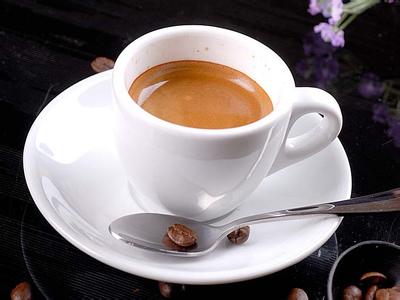
6. Burnt, Harsh Flavor Profiles
Bitter, burnt-tasting espresso can come from multiple issues: water that’s too hot, beans that are over-roasted, or excessively long extraction times.
First, reduce your boiler pressure to lower the brewing temperature. If you’re using very dark roasted beans, consider switching to a medium-dark roast that better handles the heat. Finally, cut down your shot time — aim for 25–30 seconds total. These changes will help preserve the coffee’s natural sweetness and complexity instead of amplifying harsh, ashy notes.
Frequently Asked Questions
What is the ideal espresso brew time?
The standard espresso brew time is between 25 and 30 seconds. This range allows for balanced extraction of flavors without over- or under-extracting the coffee. Shots shorter than 15 seconds are typically under-extracted, while those longer than 30 seconds risk being over-extracted and bitter.
Why is my espresso shot running too slowly?
A slow shot (over 25 seconds) is usually caused by a grind that’s too fine, too much coffee in the basket, or insufficient pump pressure. Adjusting any of these — by grinding coarser, reducing dose, or increasing pump pressure — will help speed up the shot.
Why does my espresso have little or no crema?
Lack of crema is often due to a grind that’s too fine, stale coffee, or improper brewing temperature. Freshly roasted beans, a slightly coarser grind, and correct pressure settings will improve crema formation and stability.
What causes dark, bitter-tasting espresso?
Dark, bitter shots usually mean the water temperature is too high, leading to over-extraction. Check and lower your boiler pressure or brew temperature. Long extraction times and overly dark roasts can also contribute to harsh, burnt flavors.
How do I know if my coffee is too fresh or too old for espresso?
Coffee needs time to degas after roasting. For espresso, the ideal window is 7–10 days post-roast, once initial CO₂ has dissipated. Coffee older than 45–60 days will lack crema and flavor. Avoid using beans straight from the roaster without resting.
What pump pressure should my commercial espresso machine have?
Most commercial semi-automatic espresso machines aim for a pump pressure of 9 bars. This is the standard pressure for proper espresso extraction. If your shots are running too fast or slow, check that your machine is maintaining this pressure consistently.
Recommended FrontStreet Coffee Blends for Espresso
For consistent, crema-rich espresso shots, try FrontStreet Coffee’s Commercial Blend, which includes 10% Robusta to boost body and crema while balancing flavors. The Specialty Blend features Brazilian and Colombian beans roasted to medium-dark for creamy notes of hazelnut and caramel. Both are designed for espresso machines and deliver stable performance and rich texture. Freshly roasted within 5 days · Orders placed before 17:00 ship the same day · Next-day delivery across most of Guangdong Province.
FrontStreet Coffee is a long-established specialty coffee roaster in Guangzhou China, selling freshly roasted beans from its own farm in Yunnan as well as dozens of carefully selected single-origin beans from around the world for both pour-over and espresso. The products deliver consistently excellent quality and great value, with shipping within 24 hours. Guangzhou's FrontStreet Coffee shop is recommended by many coffee lovers, and the beans are now available online at the Tmall 。
Important Notice :
前街咖啡 FrontStreet Coffee has moved to new addredd:
FrontStreet Coffee Address: 315,Donghua East Road,GuangZhou
Tel:020 38364473