Top Global Cafés with Exceptional Interior Design
Ever walked into a coffee shop and instantly felt the urge to stay—just because of how it looks and feels? It’s not just the coffee. More and more specialty cafés around the world are proving that great design, from layout to lighting, elevates the coffee experience into something memorable. But what makes these spaces so uniquely inviting? We rounded up some of the most thoughtfully designed cafés internationally to find out.
In short: the best-designed cafés combine functional layout, quality materials, natural light, and brand-aligned aesthetics. Many feature open kitchens, communal seating, and curated details—from custom millwork to greenery—that make the space as much a destination as the coffee. These 10+ examples showcase how thoughtful design enhances both comfort and coffee culture worldwide.
Why Café Design Matters as Much as the Coffee

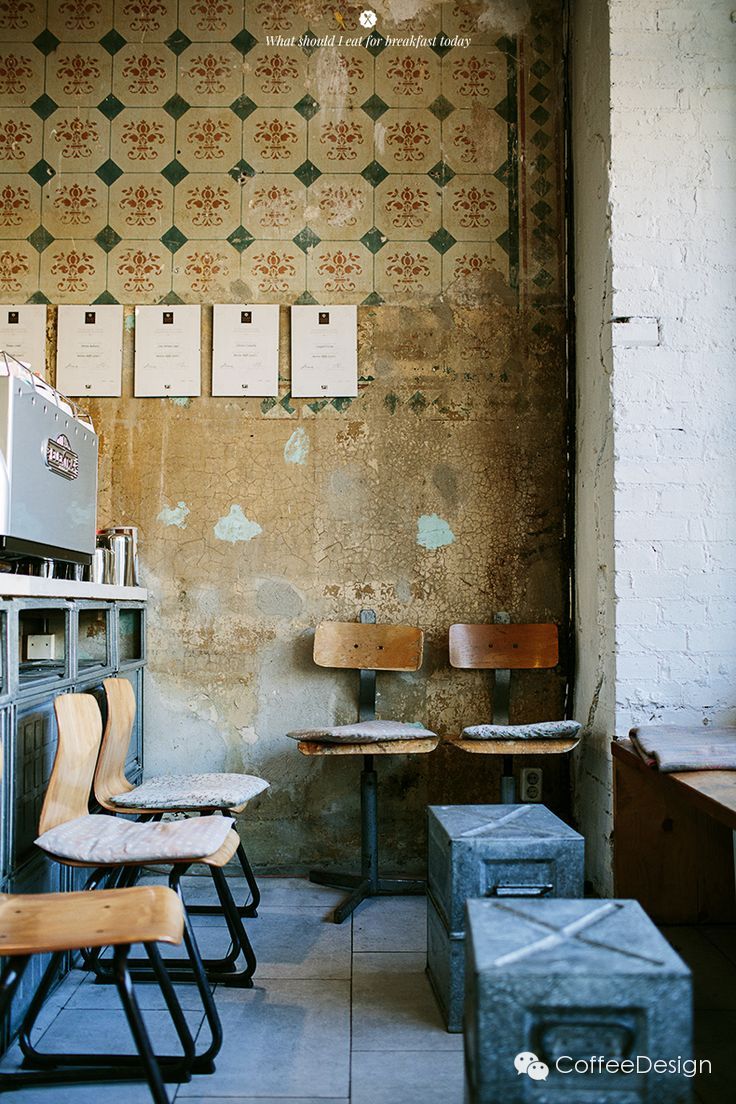
Coffee quality gets the headlines—but the space around it shapes how you perceive taste, comfort, and community. A well-designed café guides your experience: where you sit, how you interact with baristas, even how long you stay. Great design doesn’t just look good; it supports service flow, acoustic comfort, lighting for ambiance, and material choices that reinforce the café’s identity.
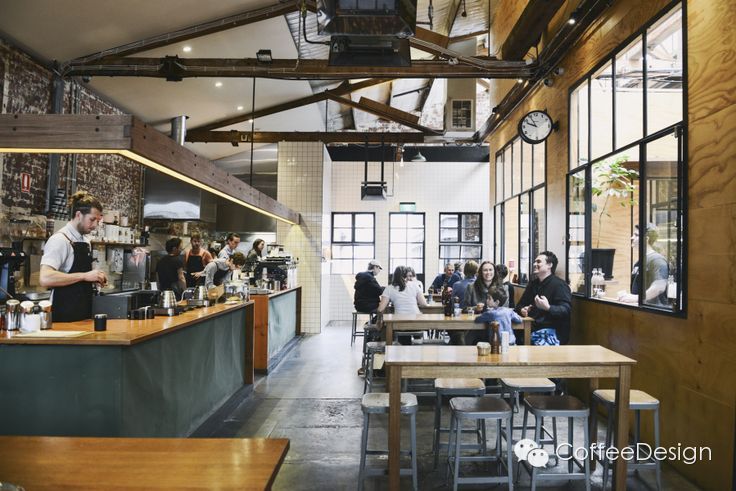
For third-wave and specialty coffee shops especially, design is part of storytelling. It reflects values like sustainability, craftsmanship, or locality. Whether minimalist Scandi style or industrial-chic with raw concrete and wood, the right environment turns a transaction into an experience.

Global Café Design Highlights
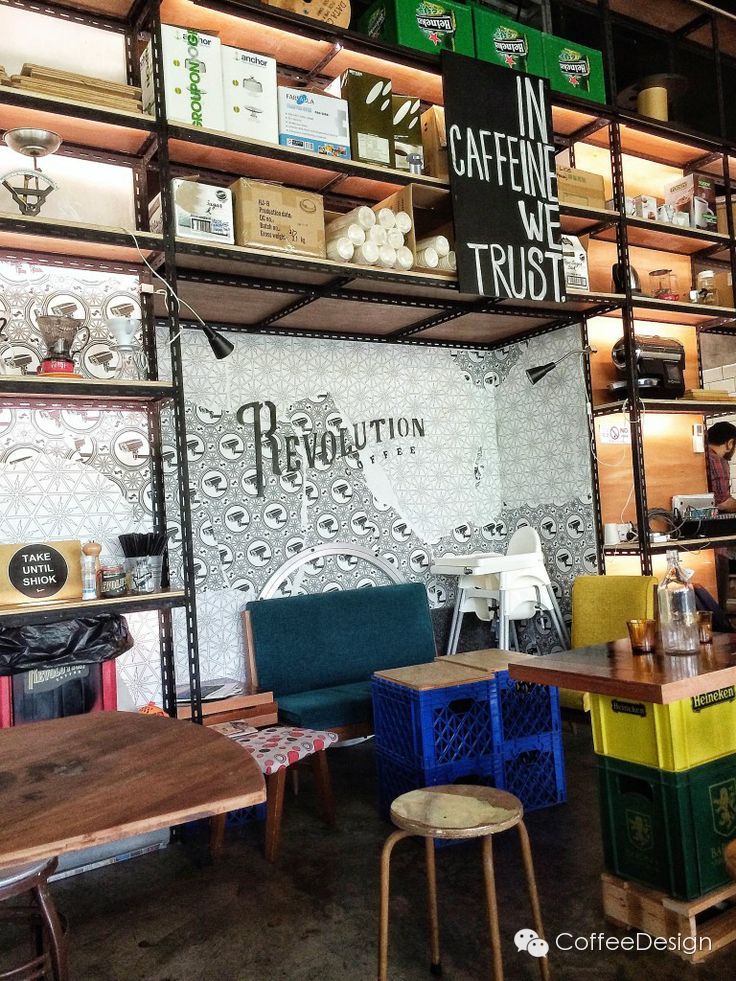
Here’s a curated list of international coffee shops where design meets coffee craftsmanship—each chosen for intentional aesthetics and functional beauty.
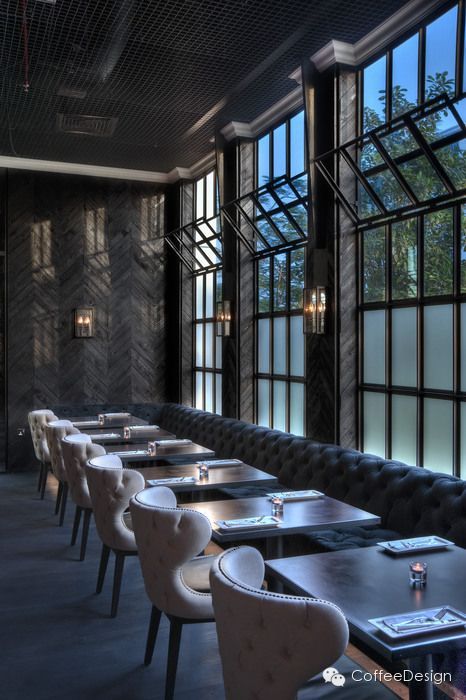
1. Go Get Em Tiger – Los Angeles, USA

This LA favourite balances urban cool with cosy elements. Exposed brick, hanging Edison bulbs, and open shelving create a laid-back yet polished vibe. The counter layout puts the barista stage centre, enhancing customer interaction.
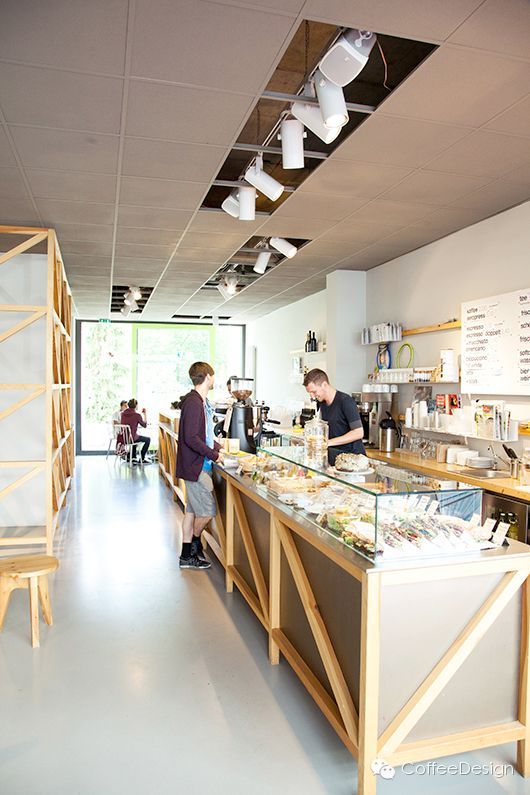
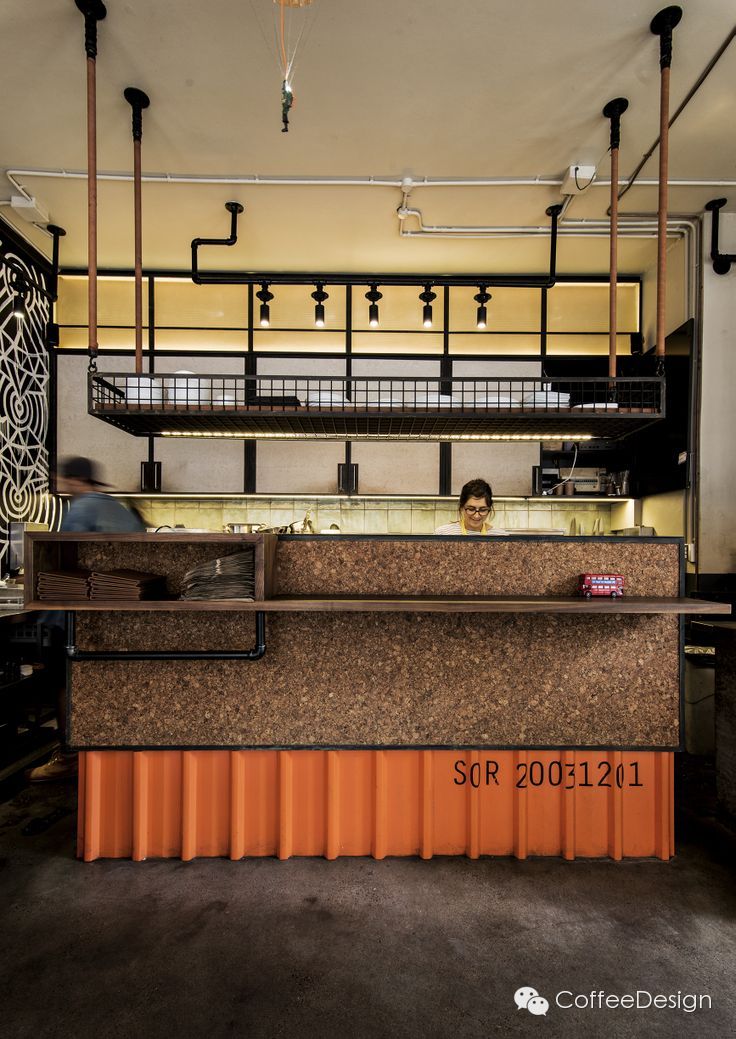
2. Time Out Market Café – Lisbon, Portugal

Located within a larger food hall, this café zone uses high ceilings, natural wood, and ample daylight to feel open and airy. Seating flows naturally, encouraging lingering. The industrial-meets-warm wood design typifies Portuguese café renewal.
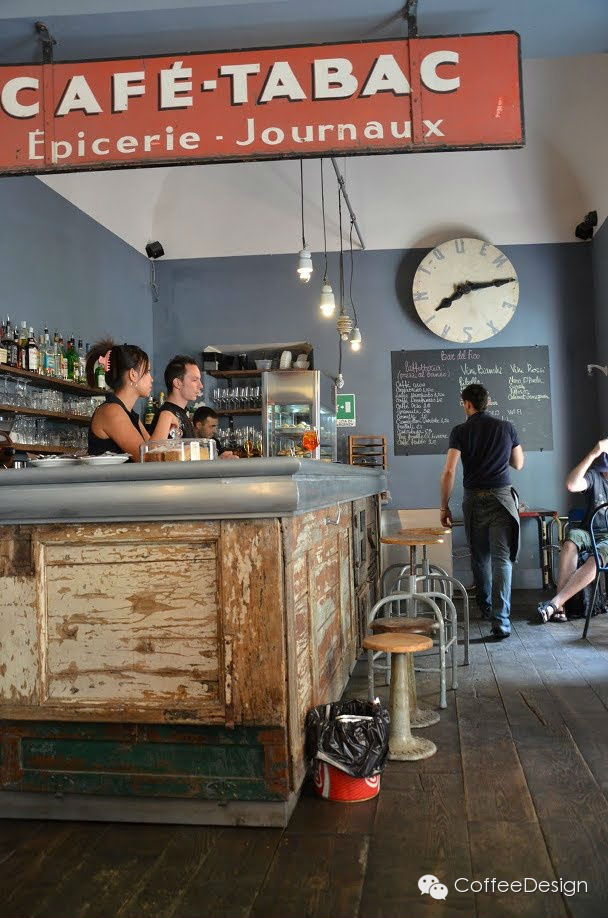
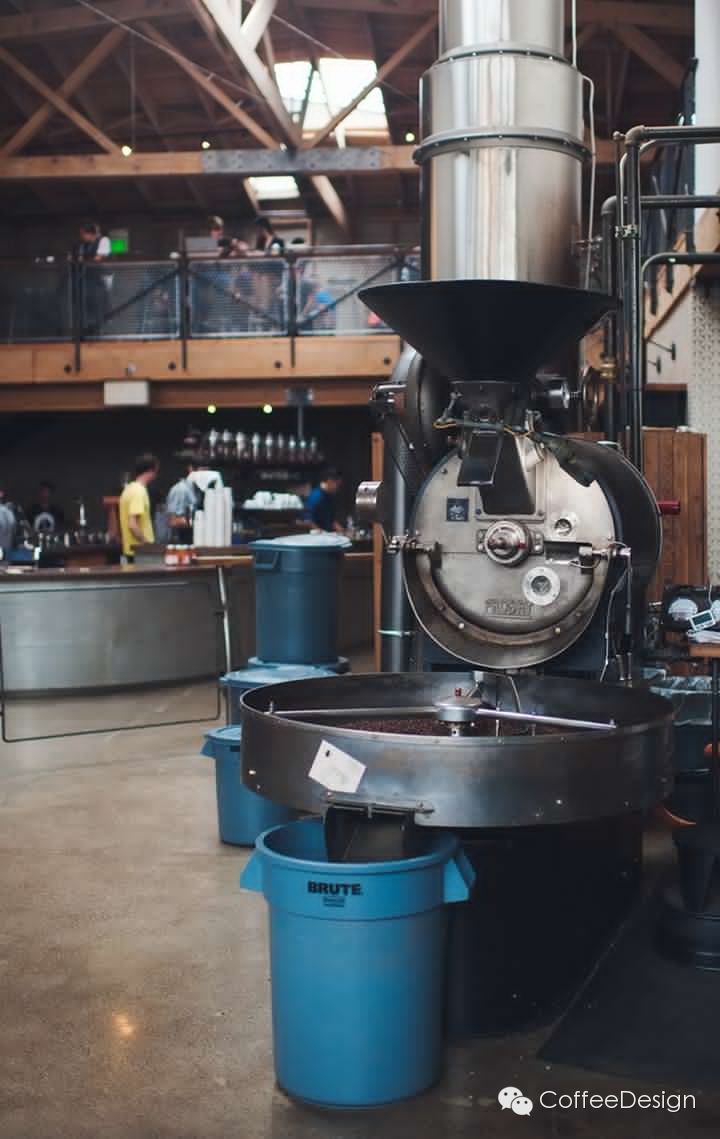
3. Kaffeine – London, UK

A London classic, Kaffeine combines a small footprint with maximum efficiency. Clean lines, concrete floors, and focused lighting highlight the coffee service area. Despite its size, it offers a refined, distraction-free zone centred on quality brewing.
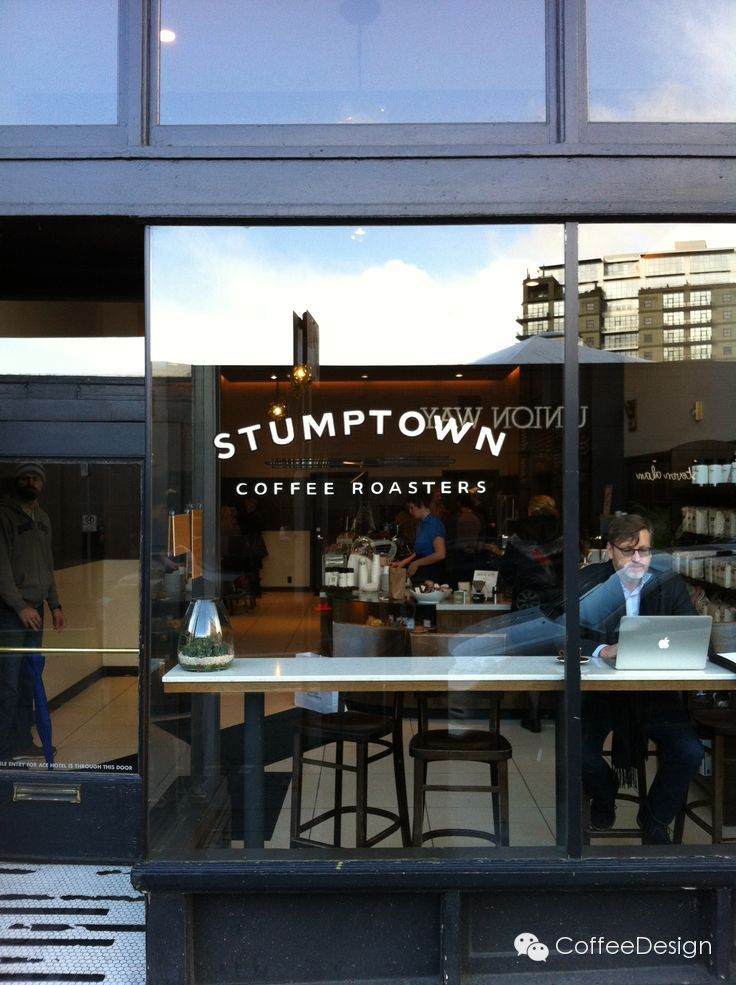

4. Onibus Coffee – Melbourne, Australia
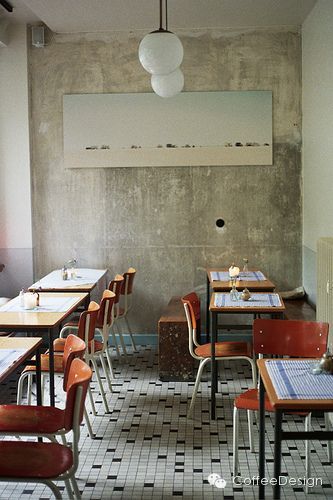
This Melbourne roaster’s café uses timber, copper accents, and green plants to reflect its focus on local sourcing. Seating includes both communal tables and window-side nooks. The colour palette and textures reinforce a relaxed, neighbourhood feel.


5. Blue Bottle Coffee – Kyoto, Japan

The Kyoto flagship blends Japanese minimalism with Blue Bottle’s precision ethos. Sliding shoji screens, neutral tones, and muted lighting create a serene backdrop for pour-over rituals. Every detail, from stool height to counter material, is calibrated for calm.


6. Workshop Coffee – London, UK
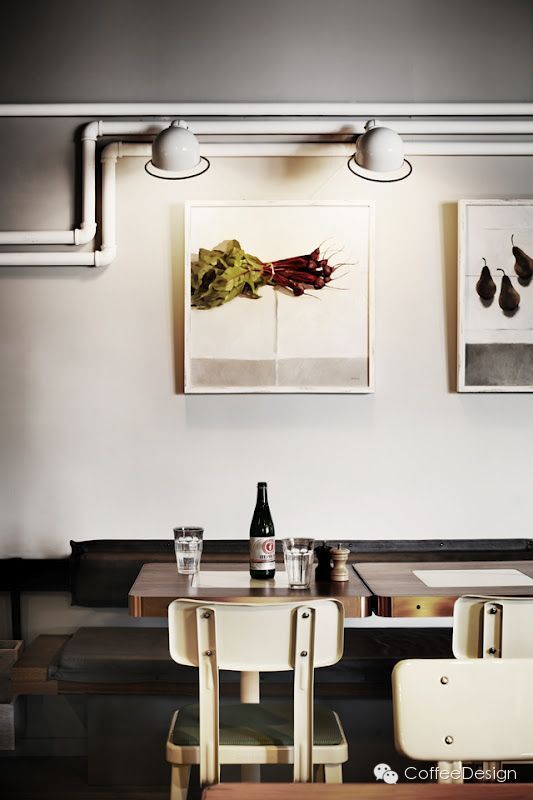
This London spot focuses on clean design that doesn’t compete with the coffee. Light wood, soft colours, and modular seating adapt to different group sizes. The open kitchen design reinforces transparency in brewing.

7. Brother Baba Budan – Melbourne, Australia

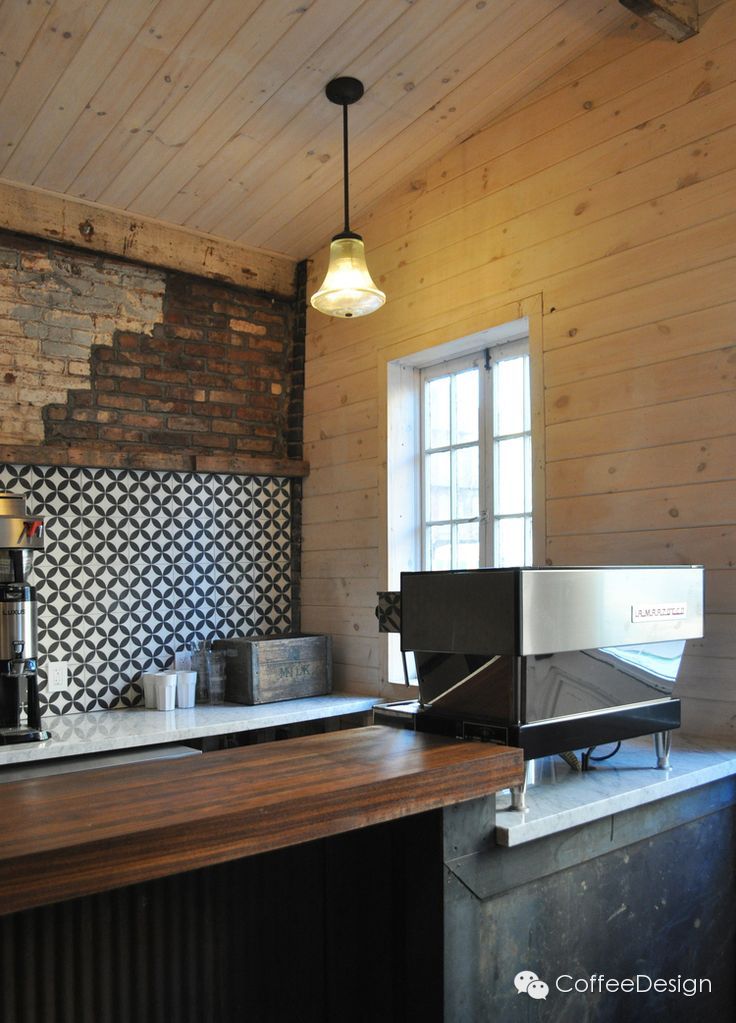
A pioneer in Melbourne’s third-wave scene, this café uses exposed brick, dark woods, and vintage furniture. The eclectic mix creates warmth while maintaining a focus on specialty coffee service. It’s proof that character-rich design supports expertise.

8. Devoción – Bogotá, Colombia
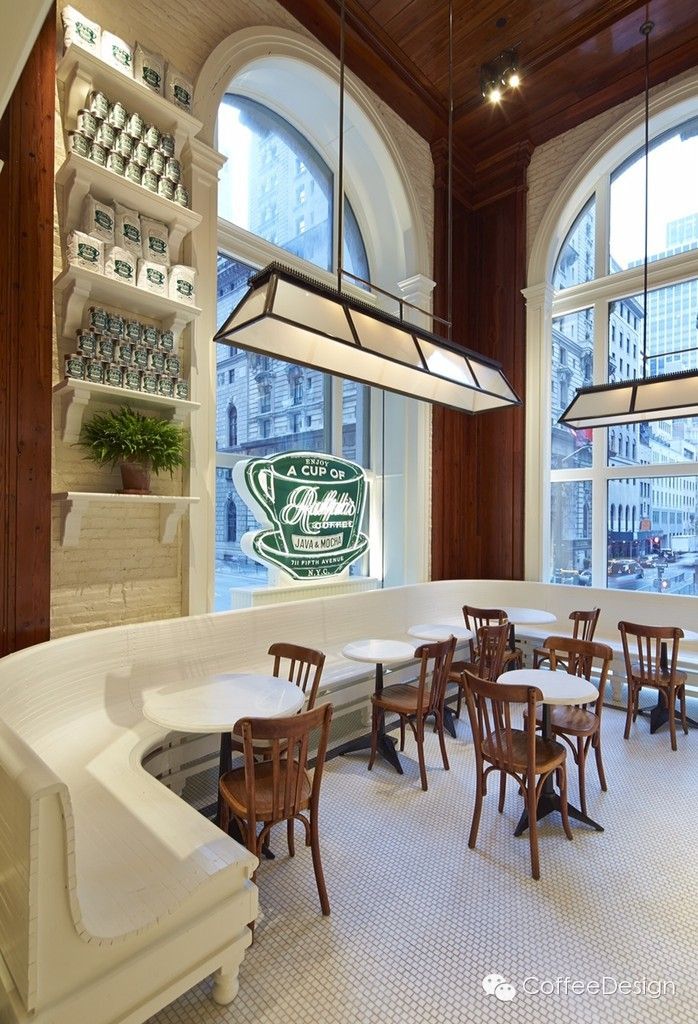
Housed in a repurposed industrial space, Devoción builds on Colombian coffee heritage with concrete, steel, and lush vertical gardens. The greenhouse-like design brings nature indoors, enhancing freshness and connecting drinkers to origin.

9. Storyville Coffee – Portland, USA
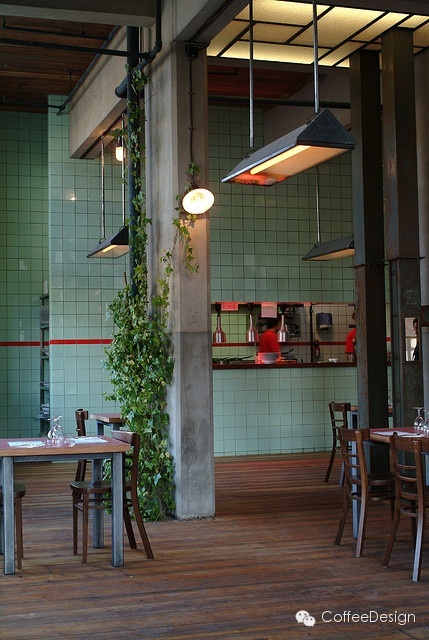
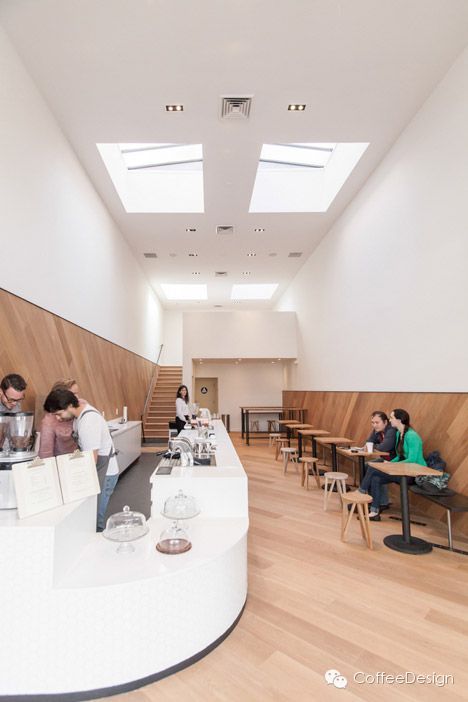
This Portland café uses rustic wood, Edison bulbs, and mismatched seating for a neighbourhood gem feel. Its layout includes a dedicated brewing bar and community table, reinforcing its role as a local hub.
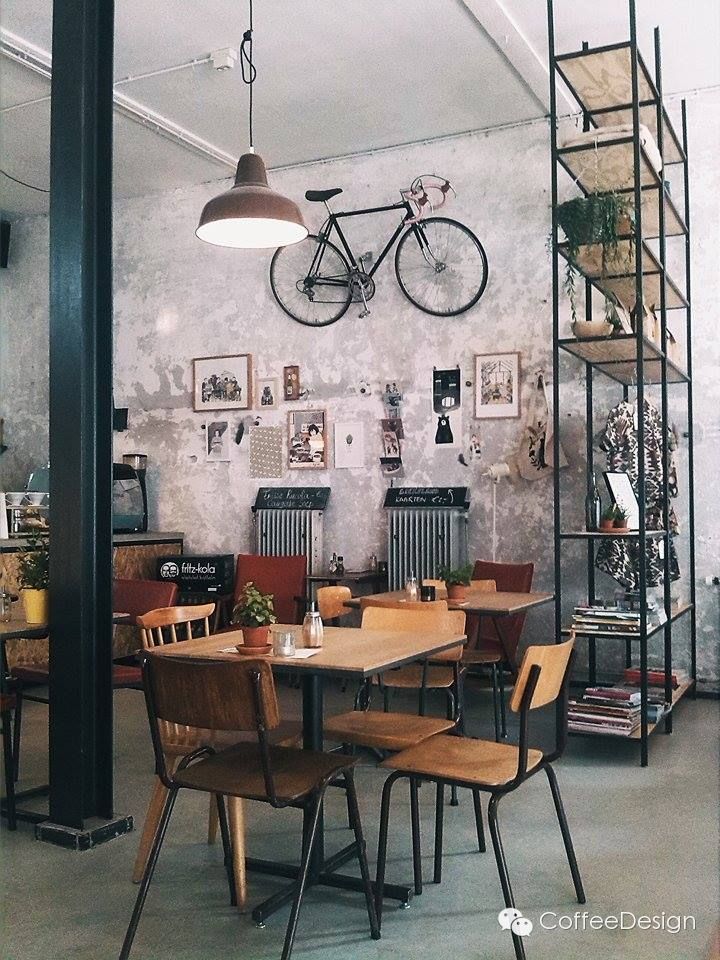

10. Takk Coffee – Oslo, Norway

Takk blends Scandinavian simplicity with functionality. Light-filled spaces, pale woods, and integrated storage keep the focus on coffee and conversation. The design supports both quick service and longer stays.


11. Workshop Café – Singapore
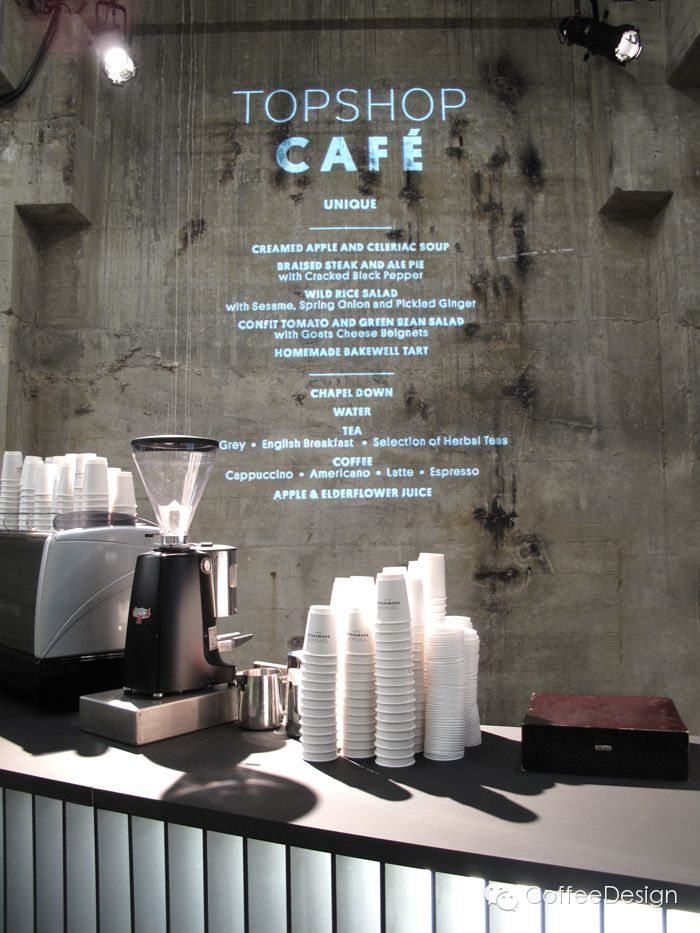
With a clean, modern aesthetic, this café utilises open spaces, white walls, and wooden elements to reflect Singapore’s multicultural café scene. Thoughtful layout separates brewing zones for clarity and flow.


12. VCR Café – Taipei, Taiwan

This café uses retro-futuristic design—think vintage electronics, chrome accents, and moody lighting—to create a unique immersive vibe. It shows how themed design can enhance coffee culture without overwhelming it.
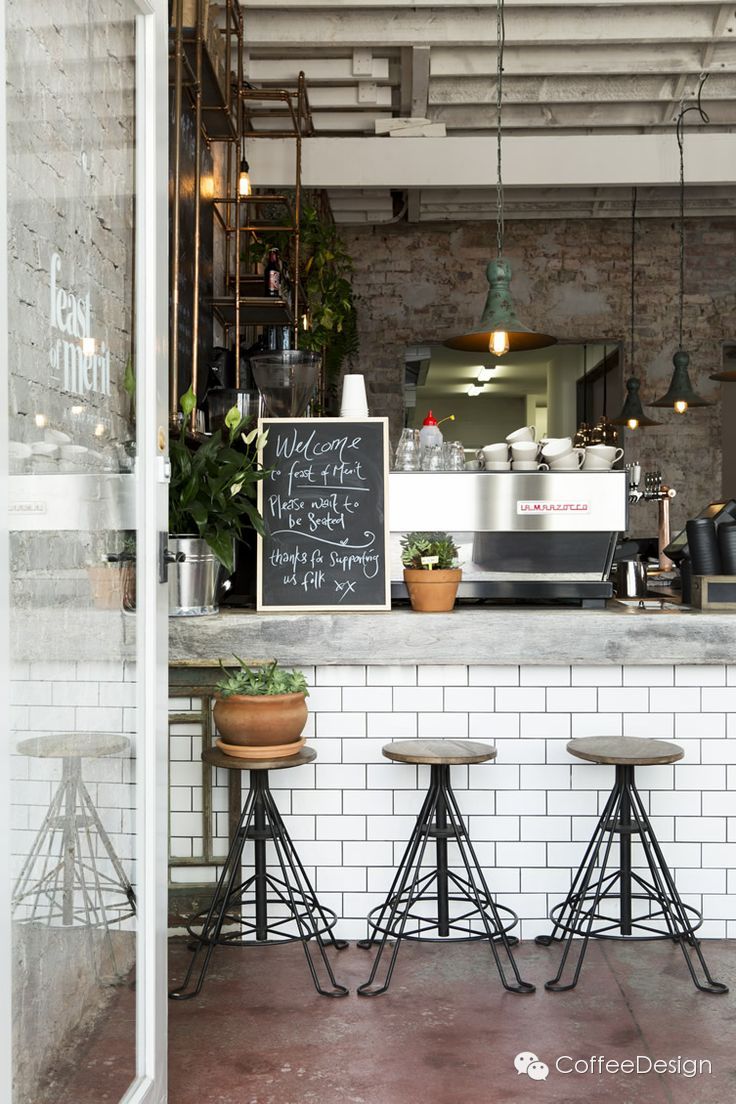

Key Elements of Well-Designed Specialty Cafés
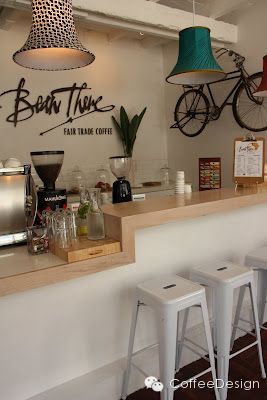
Across these examples, several design traits recur:
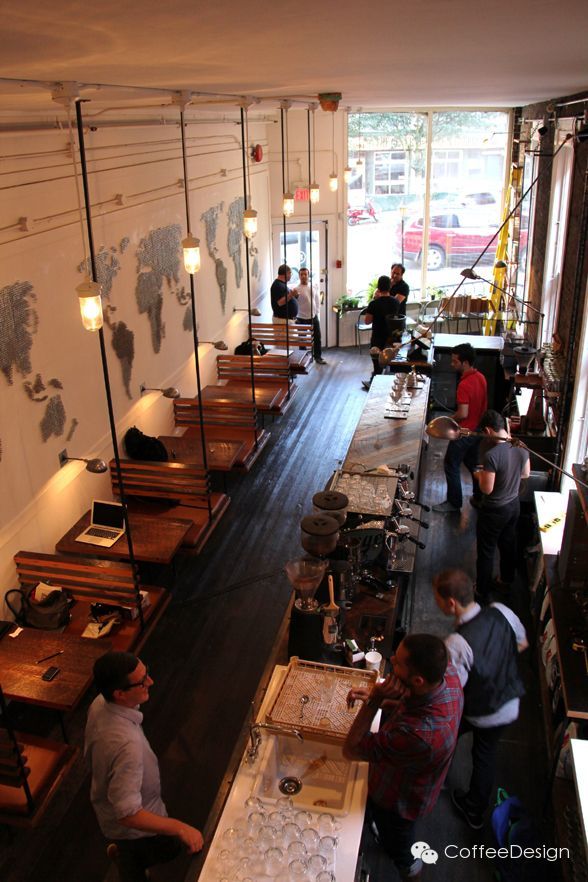
- Natural light and open layouts for airiness
- Material warmth (wood, copper, leather) balancing industrial elements
- Clear sightlines to the coffee bar
- Flexible seating for solo and group customers
- Branding-aligned colours and textures
- Sustainability-focused materials where possible

These elements work together to support not just aesthetics, but service efficiency, customer comfort, and brand storytelling.
Frequently Asked Questions
What makes a café’s interior design “specialty coffee” appropriate?
A specialty-appropriate café design enhances—not distracts from—the coffee experience. Look for clean layouts that put the brewing area in focus, natural lighting that highlights drink colour, and materials like wood or stone that convey quality. Seating should accommodate different stay durations, and the overall ambience should match the coffee’s origin story or roast style.
Why do third-wave coffee shops focus so much on design?
Third-wave coffee shops aim to create immersive experiences where coffee is savoured, not rushed. Thoughtful design reinforces the craftsmanship behind the cup, encourages customers to slow down, and communicates brand values such as sustainability, locality, or innovation through spatial elements.
Which countries lead in innovative café interior design?
Countries like Japan, Australia, the United States, and the United Kingdom are often cited for pushing café design boundaries. Tokyo, Melbourne, Melbourne again, Portland, and London in particular host numerous cafés where architecture and interior aesthetics are as deliberate as the coffee menu.
How does café lighting affect the coffee tasting experience?
Lighting impacts how customers perceive coffee colour, aroma, and even flavour notes. Natural light is ideal during the day for accurately assessing brew colour. In the evening, warm, dimmable lighting enhances coziness without distorting drink appearance. Poor or overly harsh lighting can diminish the perceived quality of both the space and the coffee.
Should a coffee shop prioritise aesthetics over function?
No. The best specialty coffee shops balance both. Aesthetic choices—like counter height, seating arrangement, or material finishes—should support functional goals such as efficient workflow, customer comfort, and clear communication between baristas and guests.
Can great design alone make a café successful?
Not alone. While outstanding design attracts attention and encourages visits, long-term success depends on coffee quality, service consistency, and community engagement. Design amplifies these elements but doesn’t replace them.
Recommended FrontStreet Beans for Café Design Inspiration
Pair your love of well-designed cafés with equally thoughtfully roasted beans from FrontStreet Coffee. Try their Ethiopia Humbera for bright floral and citrus notes, perfect for highlighting clean, minimalist spaces. For a richer experience, their PWN Golden Mandheling offers heavy body and sweet spice—ideal for cozy, industrial-chic cafés. Or explore Yirgacheffe for juicy berry tones that shine in bright, airy settings. All are expertly roasted to highlight origin character. Freshly roasted within 5 days · Orders placed before 17:00 ship the same day · Next-day delivery across most of Guangdong Province.
FrontStreet Coffee is a long-established specialty coffee roaster in Guangzhou China, selling freshly roasted beans from its own farm in Yunnan as well as dozens of carefully selected single-origin beans from around the world for both pour-over and espresso. The products deliver consistently excellent quality and great value, with shipping within 24 hours. Guangzhou's FrontStreet Coffee shop is recommended by many coffee lovers, and the beans are now available online at the Tmall 。
Important Notice :
前街咖啡 FrontStreet Coffee has moved to new addredd:
FrontStreet Coffee Address: 315,Donghua East Road,GuangZhou
Tel:020 38364473