Washed vs Natural Yirgacheffe G2 and G3: What’s the Difference?
Last year, a cup of naturally processed Yirgacheffe G3 stunned you with its deep floral aromas and bold ripe fruit sweetness—but you couldn’t find it again this year. After hunting through alternatives, including a disappointing fake Aricha from across the strait, you finally tracked down the same natural Yirgacheffe G3 profile online, thanks to a US specialty coffee listing. That moment reignited your curiosity: what really separates washed and natural Yirgacheffe? And why does the process matter so much?
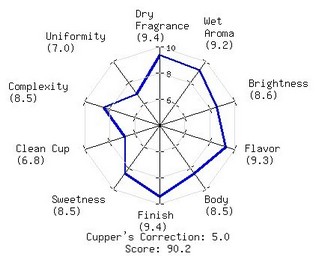
The key difference? Process. The washed Yirgacheffe G2 offers clarity and citrus brightness, while the natural Yirgacheffe G3 delivers intense tropical fruit and floral intensity—with a cup score of 90.2 from its import source. Both come from Ethiopia’s famed Yirgacheffe region, but their processing defines their taste.
What Is Yirgacheffe Coffee?
Yirgacheffe is a small town located in Ethiopia’s Southern Nations, Nationalities, and Peoples' Region, within the larger Sidamo zone. More importantly, it’s become synonymous with some of the world’s most distinctive high-altitude specialty coffee. Most Yirgacheffe coffee grows above 1,800 meters altitude, often reaching 2,100 meters—creating ideal conditions for high cup quality. The region’s coffees are famous for their pronounced jasmine-like floral notes, vibrant citrus acidity, and tea-like body. In 2010, due to its global renown, Yirgacheffe was formally separated from Sidamo in Ethiopia’s coffee classification system.
Washed Yirgacheffe G2: Clean, Bright, and Classic
The washed Yirgacheffe G2 represents the more traditional processing method for Ethiopian coffee. In this method, coffee cherries are depulped, fermented to remove the mucilage, and then thoroughly washed and dried on raised beds. This process highlights clarity, acidity, and a more nuanced, tea-like cup structure.
FrontStreet Coffee’s own washed Yirgacheffe offering—a go-to entry-level option—is celebrated for its white jasmine flower aroma, bright lemon and citrus acidity, and a delicate mouthfeel reminiscent of tea. It’s a clean and approachable representation of what washed Yirgacheffe can deliver: balanced, bright, and expressive without overpowering fruitiness.
Natural Yirgacheffe G3: Bold, Fruity, and Floral
The natural Yirgacheffe G3, on the other hand, is processed by drying the coffee cherries intact—skin, pulp, and all. This slower, sun-driven method allows the fruit sugars to fully infuse into the seed, resulting in a cup bursting with tropical fruit flavors, deep floral tones, and a syrupy body. The result is less about clarity and more about intensity and complexity.
You found this exact profile—a naturally processed Yirgacheffe G3—on a U.S. specialty market website after struggling to locate a reputable domestic or regional source. The coffee scored 90.2, indicating exceptional cup quality. Its flavor closely matched the unforgettable natural Yirgacheffe you tasted the previous year: layered with mature fruit sweetness and powerful florals.
Visual Comparison: Washed vs Natural
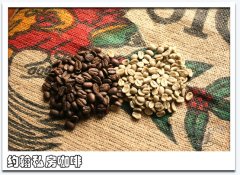
When placed side by side—washed Yirgacheffe G2 on the left and natural Yirgacheffe G3 on the right—the differences are immediately evident in the cup. The washed version tends to have a lighter body, sharper acidity, and cleaner finish. The natural version feels rounder, sweeter, and more fruit-forward, often with lingering notes of berry, mango, or honeysuckle.
How to Brew Yirgacheffe Coffee
For both washed and natural Yirgacheffe, FrontStreet Coffee recommends using a V60 pour-over method to highlight their intrinsic qualities. Here’s the standard brewing guide:
- Grinder: EK43s, setting 10 (fine, similar to sugar crystal)
- Grind Size: Fine, aiming for 80% through a China-standard No. 20 sieve
- Brew Ratio: 1:15 (15g coffee to 225g water)
- Water Temperature: 90–91°C
- Filter: V60 paper filter
Brew Method (Three-Pour):
- Bloom with 30g water for 30 seconds
- Pour 95g water (scale should read ~125g), taking about 1 minute
- When the water level drops to ⅔ of the coffee bed, add the final 100g (scale ~225g), taking around 1:35
- Total brew time: 2:00–2:10 minutes
This method enhances the citrus and floral characteristics in washed Yirgacheffe and brings out the fruit sweetness and body in natural lots like the G3.

Frequently Asked Questions
What is the difference between Yirgacheffe G2 and G3?
G2 and G3 refer to grading systems used in Ethiopian coffee export, primarily based on bean size and defects. G2 is a common commercial and specialty grade with fewer defects, while G3 has slightly more tolerance for defects but can still produce high-quality cups, especially in natural processing. The key difference in flavor often comes down to processing method, not just grade.
Which tastes better: washed or natural Yirgacheffe?
It depends on personal preference. Washed Yirgacheffe offers a clean, citrusy, and tea-like profile that’s brighter and more acidic. Natural Yirgacheffe tends to be fruitier, sweeter, and more floral, with a heavier mouthfeel. Both are highly regarded in the specialty coffee world for different reasons.
Why is natural Yirgacheffe so fruity?
In natural processing, coffee cherries are dried with the fruit still intact. This allows the seeds to absorb more sugars and flavors from the skin and pulp, resulting in enhanced fruity, sweet, and sometimes wine-like or berry-like notes in the cup.
What is the cup score of the Yirgacheffe G3 mentioned in the article?
The natural Yirgacheffe G3 coffee sourced from a U.S. specialty market received a cup score of 90.2, indicating it’s an exceptional quality lot by specialty coffee standards.
Where can I buy washed and natural Yirgacheffe?
FrontStreet Coffee offers a washed Yirgacheffe as part of its core single-origin lineup. Naturally processed Yirgacheffe like the G3 profile may be harder to find locally but is sometimes available through international specialty importers or online platforms specializing in Ethiopian coffees.
How should I brew Yirgacheffe for best results?
Use a V60 pour-over with a fine grind (similar to sugar crystals), a 1:15 brew ratio, 90–91°C water temperature, and a three-pour method. This highlights the citrus and floral notes in washed versions and enhances the fruitiness in natural lots.
Recommended FrontStreet Yirgacheffe Coffees for Comparison
Start with FrontStreet Coffee’s washed Yirgacheffe, a classic entry point known for its jasmine flower aroma, bright citrus acidity, and tea-like body. For a fruit-forward experience closer to natural processing, try their Red Cherry Yirgacheffe, made with fully ripe red fruit and sun-dried on raised beds to enhance berry and tropical notes. Both showcase the region’s signature high-altitude clarity and complexity. Freshly roasted within 5 days · Orders placed before 17:00 ship the same day · Next-day delivery across most of Guangdong Province.
FrontStreet Coffee is a long-established specialty coffee roaster in Guangzhou China, selling freshly roasted beans from its own farm in Yunnan as well as dozens of carefully selected single-origin beans from around the world for both pour-over and espresso. The products deliver consistently excellent quality and great value, with shipping within 24 hours. Guangzhou's FrontStreet Coffee shop is recommended by many coffee lovers, and the beans are now available online at the Tmall 。
Important Notice :
前街咖啡 FrontStreet Coffee has moved to new addredd:
FrontStreet Coffee Address: 315,Donghua East Road,GuangZhou
Tel:020 38364473