How to Pull a Great Espresso: Extraction Techniques Explained
Making a great espresso isn’t just about pushing water through coffee — it’s about controlling a half-dozen variables with precision. Whether you’re dialling in at home or pulling shots behind a busy café counter, understanding how grind, dose, pressure, temperature, and timing interact is the difference between a balanced shot and a bitter mess.
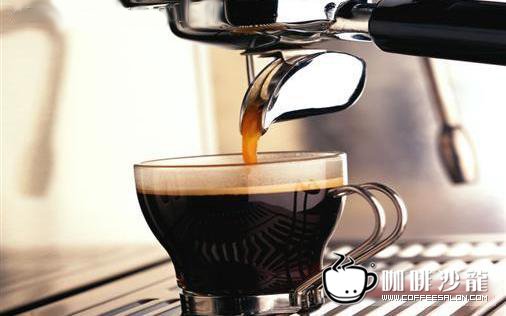
To pull a solid espresso shot, aim for a 9-bar stable brewing pressure, 16g dose for a double, 25–30 second extraction yielding 45–55ml, and a brew temperature around 91°C. Every variable from grind size to machine pump type affects the final cup.
Start With the Right Grind: Fine, Even, and Consistent
Espresso extraction relies on high pressure, so your coffee grinds must be very fine — but also as uniform as possible. Uniformity ensures even pressure across the puck for balanced extraction. This demands a high-performance grinder.
There are two main burr types: flat (parallel) and conical. Flat burrs produce more uniform particle sizes, which is ideal for consistency. Conical burrs, running at lower RPM with higher torque, generate less heat during high-volume grinding — a big advantage for cafés. Some argue conical grinders enhance complexity, while others claim they introduce off-flavours due to unevenness. Both have merit, and preferences vary.
For home use with moderate volume, a flat burr grinder is preferable: it’s simpler, more consistent, and easier to manage. In commercial settings where grind speed and heat control matter, conical grinders shine. In China’s market, flat burrs dominate as the standard. Grinder burrs are usually high-hardness stainless steel, though ceramic (heat-resistant) and titanium (durable) options are also available for upgrades.
Lock In Your Dose: Keep It Consistent
Using a fixed coffee dose — and only adjusting grind size — helps build muscle memory and maintain consistency. This is crucial for standardising shots in a café, and helpful at home when switching beans. For example, a standard double shot typically uses 16g of coffee.
Choose Your Tamping Style — But Tamp with Purpose
There’s no single “right” way to tamp: some baristas tamp hard with finely ground coffee, others tamp lightly with coarser grinds, and a few skip tamping altogether. Each approach can produce excellent espresso, though with trade-offs.
Not tamping at all is the most difficult and least reliable method — it requires hitting an exact balance between dose and grind size, and even then only works with certain grinders. Once mastered, it eliminates tamping errors, but introduces too many other variables to recommend for most people.
Whether you tamp hard or light, what matters is doing it the same way every time. Find a tamping style that works for your setup and stick with it.
Control the Pressure: Aim for Stability
Espresso machines use pumps to create brewing pressure. These come in two main types: vibratory (or vibration) pumps and rotary pumps.
Vibratory pumps, common in home machines, are small, affordable, and generate pressure that fluctuates — often between 1–15 bar, even if rated “15 bar” or “19 bar”. That inconsistency contributes to the muddled flavours often found in home-brewed espresso. It also undermines the idea that conical grinders alone can produce layered flavours, since unstable pressure does more to shape taste than burr type.
Rotary pumps, used in commercial and high-end home machines, maintain a near-constant pressure. Where vibratory pumps spike and dip, rotary pumps deliver a flat, stable curve. That stability is key to repeatable, high-quality extractions. Rotary pumps are also quieter — vibratory pumps can sound harsh and cheap, affecting the café atmosphere. For serious brewing, rotary is the clear choice.
Espresso theory often cites a target pressure of 9±1 bar, though some use 9±0.5 or 9±2. For simplicity, 9 bar is a practical benchmark to aim for.
Dial in the Temperature: Heat Affects Flavour Balance
Water temperature dramatically impacts espresso flavour. Higher temperatures reduce acidity but increase bitterness and burnt notes. Lower temperatures preserve acidity but can under-extract, reducing body and sweetness.
Adjust your brew temperature based on roast level: use cooler water for dark roasts, hotter for light roasts. A good starting point is 91°C.
Most home machines struggle with temperature stability. Heating elements or small boilers may cause temperature swings of up to 10°C during extraction — a hardware limitation no barista can fully overcome. Commercial heat-exchange machines fare better but still vary 4–8°C. Dual-boiler or multi-boiler systems with PID controllers offer the best control. For example, the La Marzocco Linea PB (used by the author) maintains just 0.5°C variation during a shot. High-end machines like Synesso or Slayer can hold temperature to within 0.1°C — near the human taste threshold of around 0.3°C. That level of control is effectively perfect.
Set a Standard Brew Volume and Time
The more variables you stabilise, the more likely you are to brew a balanced shot. While experienced baristas can judge by flow colour and rate, beginners benefit from a fixed framework.
Common espresso brew parameters:
- Single espresso: 25–30 seconds, 25–35ml
- Double espresso: 25–30 seconds, 45–55ml
Use Quality Equipment: Material Matters
Beyond pumps and boilers, other machine components affect extraction. Most discussions focus on boiler size or pump type, but material quality, group head design, and internal tubing also play roles.
Reputable manufacturers use copper or stainless steel for good reason. Copper conducts heat exceptionally well, ensuring even temperature stability even as the machine cycles hot and cold. It’s also highly workable. Stainless steel, though newer to espresso machine construction, offers superior hygiene and durability. Avoid aluminium or plastic parts — common in budget home machines, but not suitable for serious brewing.
Frequently Asked Questions
What is the ideal espresso brew pressure?
The standard target is around 9 bar, with an acceptable range of 9±1 bar. Some advanced baristas aim for tighter control such as 9±0.5 or 9±2 bar. Stable pressure is more important than hitting an exact number, and rotary pumps help achieve that better than vibratory ones.
How fine should espresso coffee be ground?
Espresso requires a very fine grind size to handle high brewing pressure. The exact setting depends on your grinder, but the grinds should be fine enough to create resistance and allow proper extraction under pressure — typically much finer than filter coffee. Consistency in grind size is just as important as fineness.
What dose of coffee should I use for a double espresso?
A standard double espresso typically uses 16g of coffee. This is a common starting point, though you may adjust based on basket size, roast level, and taste preference. Keeping the dose consistent helps when dialling in grind size.
Does tamping technique really make a difference?
Yes. While there are different approaches — such as light tamping with coarse grinds or hard tamping with fine grinds — the key is to apply your chosen method consistently. Skipping the tamp entirely is possible but difficult and not recommended for most users due to the precision required.
How important is water temperature for espresso?
Very. Water temperature directly influences the balance of acidity, sweetness, and bitterness in espresso. Higher temperatures reduce acidity but increase bitterness; lower temperatures preserve acidity but risk under-extraction. Most recipes start around 91°C, with adjustments made for roast degree.
What’s the ideal espresso shot volume and brew time?
A widely accepted standard is 25–30 seconds for extraction, yielding 45–55ml for a double espresso. For a single, 25–30 seconds for 25–35ml is typical. These ranges help guide beginners, though experienced baristas may adjust based on flow and taste.
Recommended FrontStreet Blends for Espresso
For espresso, FrontStreet Coffee’s Classic Blend delivers bold crema and a smooth, approachable profile — ideal for milk drinks or straight shots. Its traditional Manni-Brazilian base offers rich body and chocolate notes, making it forgiving for home or shop use. The Black Cocoa Blend is a cost-effective, high-yield option with deep cocoa tones and full body, great for balancing cost and quality in busy cafés. For a more classic espresso taste, the Specialty Blend combines Brazilian and Colombian beans for a familiar nutty-chocolate profile. All three are optimised for espresso extraction. Freshly roasted within 5 days · Orders placed before 17:00 ship the same day · Next-day delivery across most of Guangdong Province.
FrontStreet Coffee is a long-established specialty coffee roaster in Guangzhou China, selling freshly roasted beans from its own farm in Yunnan as well as dozens of carefully selected single-origin beans from around the world for both pour-over and espresso. The products deliver consistently excellent quality and great value, with shipping within 24 hours. Guangzhou's FrontStreet Coffee shop is recommended by many coffee lovers, and the beans are now available online at the Tmall 。
Important Notice :
前街咖啡 FrontStreet Coffee has moved to new addredd:
FrontStreet Coffee Address: 315,Donghua East Road,GuangZhou
Tel:020 38364473