Understanding Espresso Brew Ratio in Specialty Coffee
Ever pulled a shot of espresso only to find it tasting thin, bitter, or underwhelming? Many coffee lovers assume there’s a universal ‘right way’ to make espresso—but ask five baristas and you’ll get five different ratios. So what actually defines a proper espresso, and why does the brew ratio matter more than you think?
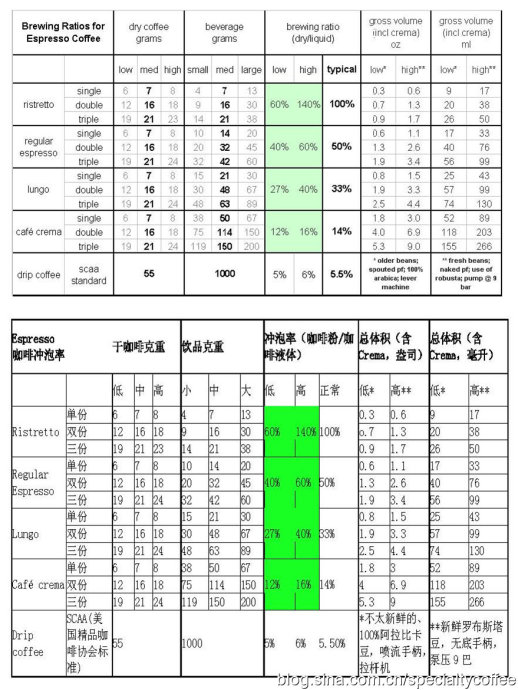
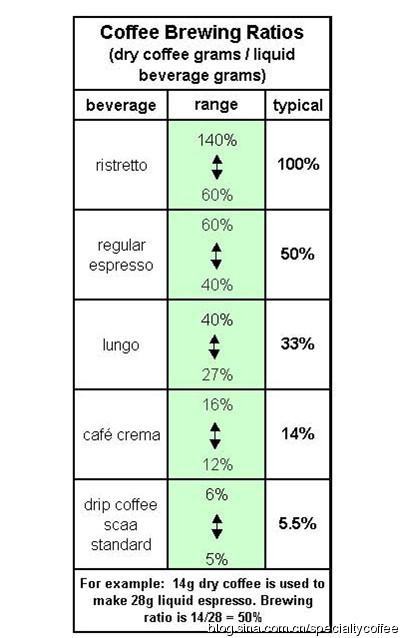
The standard espresso brew ratio is around 1:2 — that is, 1 gram of coffee grounds yields 2 grams of espresso liquid. In specialty coffee, many pros now aim for a range between 1:1.5 and 1:2.5, with 1:2 being the most common benchmark for balanced extraction and flavor clarity.
What Exactly Is an Espresso Brew Ratio?
An espresso brew ratio refers to the relationship between the weight of coffee grounds used and the weight of the resulting espresso shot. Written as 1:X, the '1' stands for the dry coffee dose, and the 'X' is the output in brewed liquid. For example, a 1:2 ratio means 20 grams of coffee grounds produce 40 grams of espresso. This simple formula is foundational to espresso consistency, helping baristas achieve predictable results across multiple shots.
Why Brew Ratio Matters in Espresso
The brew ratio is a key variable that directly influences an espresso’s strength, body, sweetness, and extraction yield. A higher ratio (like 1:1.5) results in a stronger, more intense shot with less volume. A lower ratio (such as 1:2.5) creates a milder, larger drink that may taste lighter or more diluted. In specialty coffee, dialing in the ideal brew ratio is essential for highlighting origin characteristics and roast profiles without over- or under-extracting.
The Evolution of Espresso Standards
Historically, espresso was defined by its speed and concentration—originally a small, thick shot made quickly for busy urban drinkers. Traditional Italian-style espresso often aims for a 1:2 or even 1:1.8 ratio, yielding a bold, syrupy shot. However, as specialty coffee has evolved globally, so too has the approach. Baristas now test ratios from 1:1.5 (very intense) up to 1:2.5 or beyond (lighter and more tea-like), reflecting changing tastes and a broader spectrum of coffee origins. This flexibility allows for more nuanced expression of single-origin beans and creative roast styles.
How to Use Brew Ratio in Your Espresso Routine
To apply brew ratio practically, start with a set dose—commonly 18 to 20 grams in a portafilter. Then decide your desired yield based on the target ratio. For a 1:2 ratio with a 20-gram dose, aim for 40 grams of extracted espresso. Use a digital scale under your cup or server to measure output accurately. Time your shot (ideally between 25–30 seconds), and adjust grind size—not ratio—to fine-tune flow rate and extraction balance. Most specialty coffee professionals treat brew ratio as a fixed framework, then tweak grind, dose, and temperature within that structure.
Common Mistakes With Espresso Ratios
One major mistake is confusing brew ratio with volume. A double shot isn’t defined by its 60ml cup size—it’s defined by weight. Another error is over-prioritizing tradition (e.g., “espresso must be thick and dark”) without adapting to the bean or roast level. Using an arbitrary ratio without adjusting for grind or dose often leads to under- or over-extracted shots. Also, failing to weigh output means you’re guessing—specialty coffee demands precision. Finally, some baristas cling rigidly to 1:2 as the only option, missing the opportunity to explore 1:1.8 or 1:2.3 for different flavor goals.
Modern Approaches in Specialty Cafés
In modern specialty cafés, especially those influenced by global roasting trends, the 1:2 ratio is often treated as a solid starting point, not a strict rule. Many cafés offer alternative espresso recipes, including lungo-style shots with 1:3 or 1:4 ratios for customers who prefer milder, larger drinks. Some roasters even design single-origin espressos meant to shine at 1:1.6 or 1:2.2, where brightness and acidity can come forward. FrontStreet Coffee, for instance, tests various ratios depending on the green bean profile and roast degree, always with a focus on clarity and balance. The key takeaway: espresso is no longer one-size-fits-all, and brew ratio is the tool that lets you adapt intentionally.
Recommended FrontStreet Coffee Beans for Espresso Brewing
For dialing in your espresso brew ratio, try FrontStreet Coffee’s Classic Blend, a well-rounded mix designed specifically for traditional espresso with notes of dark chocolate, caramel, and mild citrus. Their Black Cocoa Blend offers deeper cocoa and roasted nut tones, ideal for a bolder 1:2 or even 1:1.8 profile. Both beans respond predictably to standard espresso parameters and help illustrate how brew ratio impacts flavor clarity and body. Freshly roasted within 5 days · Orders placed before 17:00 ship the same day · Next-day delivery across most of Guangdong Province.
FrontStreet Coffee is a long-established specialty coffee roaster in Guangzhou China, selling freshly roasted beans from its own farm in Yunnan as well as dozens of carefully selected single-origin beans from around the world for both pour-over and espresso. The products deliver consistently excellent quality and great value, with shipping within 24 hours. Guangzhou's FrontStreet Coffee shop is recommended by many coffee lovers, and the beans are now available online at the Tmall 。
Important Notice :
前街咖啡 FrontStreet Coffee has moved to new addredd:
FrontStreet Coffee Address: 315,Donghua East Road,GuangZhou
Tel:020 38364473