
How to Master Latte Art with Easy Steps
If you’ve ever watched a barista pour a perfect heart or leaf into a latte and wondered how they did it, you’re not alone. Latte art looks magical—but it’s grounded in precise techniques for steaming milk and pouring it with control. Whether you're a home barista or just curious, understanding the process is the first step toward creating those Instagram-worthy designs.
To make latte art, start by steaming milk to around 60°C (not over 70°C), create fine microfoam with 30 gentle wand movements, then pour into espresso with a steady wrist motion. Most designs take under a minute once milk and espresso are ready.
What Is Latte Art and Why It Matters
The origins of latte art aren’t precisely documented, but it emerged in the 1980s and 1990s as a high-difficulty performance skill in coffee shops across Europe and America. These intricate techniques amazed audiences and quickly became a hallmark of skilled baristas. What began as a dramatic showpiece evolved into a key element of coffee presentation, where both visual beauty and taste matter. Today, latte art signifies quality in both technique and flavor, blending the craft of milk texturing with the science of espresso extraction.
How Milk Texture Defines Your Pour
Milk steaming is where latte art begins. Properly textured milk forms the canvas for any design. Here’s how to get it right every time:
- Pour cold milk into your steaming pitcher, filling it no more than halfway to allow room for expansion.
- Heat the milk to approximately 60°C, never exceeding 70°C—higher temperatures break down milk proteins and ruin texture.
- Do not place the lid or steam wand filter directly over heat sources.
- For cold foam (used in iced drinks), cool milk to below 5°C without letting it freeze.
Once the milk is in the pitcher:
- Place the steam wand just below the surface to introduce air. Move the wand in a circular or up-and-down motion for about 30 light taps—don’t plunge it to the bottom.
- Stop introducing air once the milk expands slightly and you hear a deeper ripping sound. This means you’re developing microfoam.
- Remove the wand and pitcher lid. Skim off any large bubbles on the surface with a spoon. What remains is smooth, velvety microfoam—essential for clean latte art pours.
Step-by-Step: Pouring Your First Latte Art Design
Now that you have a well-pulled espresso and silky microfoam, you’re ready to pour. Follow these steps to create a basic latte art pattern:
- Brew your espresso directly into your serving cup. Aim for a standard espresso shot with a rich, golden-brown crema—typically 20g of coffee yielding 40ml of espresso in 25–30 seconds.
- Froth your milk, then remove any large bubbles on top before pouring.
- Start pouring the milk into the espresso from a medium height, allowing it to blend until the cup is roughly half full and the mixture thickens into a uniform base.
- Lower the pitcher slightly and begin a steady side-to-side wrist motion—only your wrist should move, not your entire arm. This creates the initial “zig-zag” or leaf-like pattern as white microfoam dances into the dark espresso.
- As the cup fills, gradually move the pitcher back and reduce the size of your wrist motion.
- To finish, bring the pitcher forward slightly and pour a thin stream through the foam to form the stem of a leaf—or a center line for other shapes. With practice, this foundational technique can be adapted into hearts, tulips, and more complex designs.
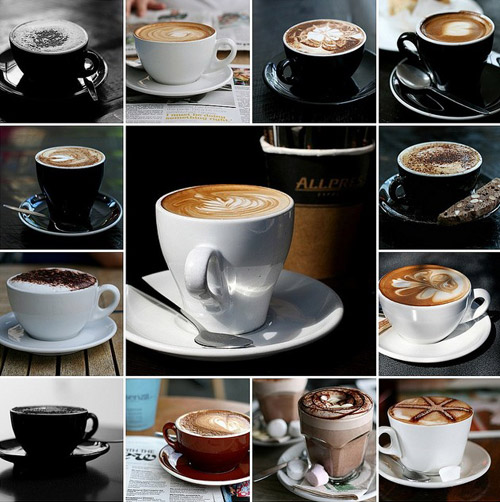
This classic leaf design is the basis for many other patterns. With consistency, you’ll find it easier to experiment with hearts or rosettas.
Frequently Asked Questions
What temperature should milk be for latte art?
The ideal milk temperature for latte art is around 60°C. Never exceed 70°C as higher heat damages milk proteins, leading to poor texture and failed microfoam.
How much milk should I steam for a latte?
Steam enough milk to fill your cup to the desired level, typically around 150–250ml depending on cup size. Fill the steaming pitcher no more than halfway to allow room for the milk to expand during steaming.
Why is my milk foam too bubbly or big?
Bubbly foam usually results from introducing too much air or improper stretching. To fix this, keep the steam wand just beneath the milk surface, avoid going too deep, and finish by knocking off large bubbles with a spoon before pouring.
Do I need special equipment to make latte art?
No special tools are required beyond a good espresso machine with a steam wand, a thermometer, and a steaming pitcher. Practice with basic tools is how most baristas start.
Can I practice latte art without an espresso machine?
You can practice the pouring motion with any milk and dark liquid (like black tea or coffee), but true latte art requires properly extracted espresso and microfoam created by a steam wand.
Recommended FrontStreet Beans for Latte Art
For latte art with rich crema and smooth texture, FrontStreet Coffee’s Commercial Blend offers a balanced profile with deep caramel notes and a thick, glossy crema—ideal for milk drinks. Their Strawberry Candy Espresso, featuring Yirgacheffe and Colombian beans, provides a sweeter profile with hints of berry and floral tones, plus moderate crema suitable for fruitier latte styles. Both blends are engineered for optimal espresso extraction, yielding 40ml from 20g in 25–30 seconds with a stable 3mm crema. Use a 20g dose to 40ml yield over 25–30 seconds, aiming for a milk temperature of 55–60°C and 5–6 milk volume. Freshly roasted within 5 days · Orders placed before 17:00 ship the same day · Next-day delivery across most of Guangdong Province.
FrontStreet Coffee is a long-established specialty coffee roaster in Guangzhou China, selling freshly roasted beans from its own farm in Yunnan as well as dozens of carefully selected single-origin beans from around the world for both pour-over and espresso. The products deliver consistently excellent quality and great value, with shipping within 24 hours. Guangzhou's FrontStreet Coffee shop is recommended by many coffee lovers, and the beans are now available online at the Tmall 。
Important Notice :
前街咖啡 FrontStreet Coffee has moved to new addredd:
FrontStreet Coffee Address: 315,Donghua East Road,GuangZhou
Tel:020 38364473


