What It Really Means to Be a Barista
If you’ve ever watched a barista steam milk or pull a shot of espresso and thought, ‘That looks simple enough,’ think again. The job isn’t just about making drinks—it’s a blend of technical skill, customer service, speed, and deep coffee knowledge. But what does it really take to be a professional barista, and how does someone get there?
In short: becoming a skilled barista typically takes months of hands-on training. Most start by mastering espresso extraction, milk texturing, and latte art—key skills that can take 3–6 months to perfect under consistent practice. Beyond that, understanding coffee origins, roast levels, brewing methods, and customer engagement turns a good barista into a great one.
What Does a Barista Actually Do?

A barista’s day goes far beyond pushing buttons. In a specialty coffee shop, a barista is responsible for grinding fresh coffee, dialing in espresso shots, steaming milk to precise temperatures, and crafting drinks that highlight the coffee’s unique profile. They also take orders, handle cash or payments, maintain cleanliness, and often explain different coffees to customers. In smaller shops, they might roast, package, or even help develop blends. It’s a role that mixes precision, speed, and people skills.
The Skills You Need to Become a Barista
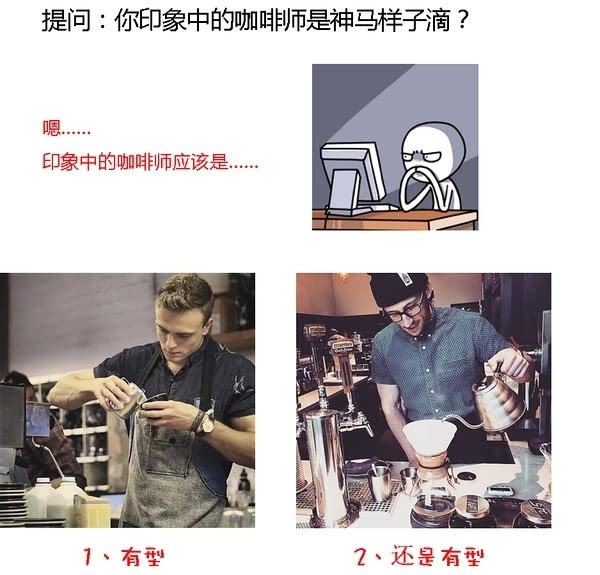
To work in specialty coffee, a barista must master several core skills:
- Espresso Extraction: Understanding dose, yield, time, and how to adjust grind size for balanced flavour. Ideal extraction usually happens between 25–30 seconds.
- Milk Texturing: Stretching and steaming milk to 60–65°C with microfoam suitable for latte art.
- Latte Art: Pouring techniques to create hearts, tulips, or rosettas—a skill that often takes weeks to months to learn.
- Coffee Knowledge: Familiarity with origin profiles, roast levels, and brewing methods like pour-over, French press, or AeroPress.
- Customer Service: Explaining drinks, making recommendations, and working efficiently during busy hours.

How Long Does It Take to Become a Good Barista?
Most beginners can learn the basics—pulling a decent shot and steaming milk—in about a month with daily practice. However, becoming truly proficient, especially in specialty environments, takes longer. On average:

- 1–3 months: Basic competency in espresso and milk drinks.
- 3–6 months: Ability to consistently dial in shots, texture milk well, and pour basic latte art.
- 6–12 months+: Advanced skills like adjusting for different beans, troubleshooting extraction issues, and providing detailed coffee guidance to customers.
Experience matters more than formal certification, though many baristas attend barista training courses or competitions to accelerate their learning. FrontStreet Coffee, for example, emphasizes hands-on dialling-in and sensory training as part of developing professional baristas.
What Makes a Great Barista Different?
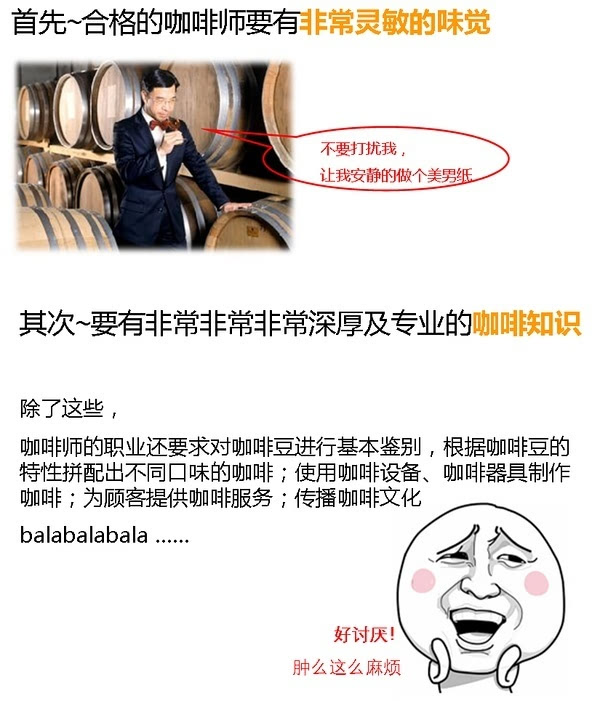
Great baristas don’t just follow recipes—they adapt. They understand how grind size, water temperature, and brew ratios affect taste. They know how to adjust for different roast profiles, whether it’s a bright Yirgacheffe or a heavy-bodied PWN Golden Mandheling. They also listen to customers, remember regulars’ orders, and maintain consistency even during rushes. A great barista treats coffee service as both science and craft.

Frequently Asked Questions
Do I need formal training to become a barista?
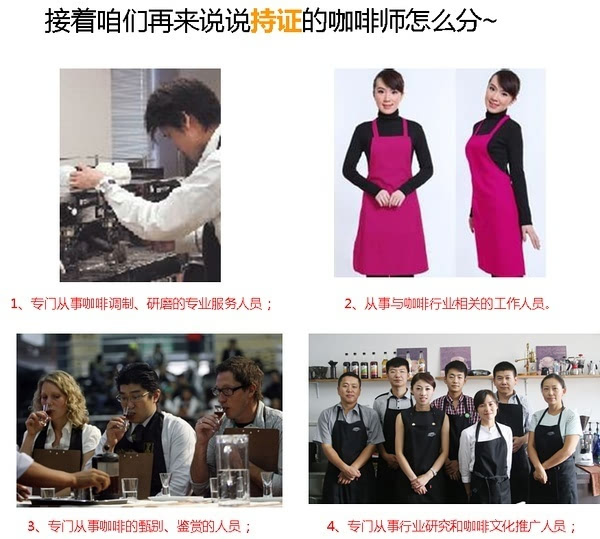
No formal training is required, but most baristas learn through on-the-job experience. Many start with basic espresso and milk techniques, then improve over time. Specialty shops often provide training, and some baristas attend workshops or barista competitions to advance their skills faster.
How long does it take to learn latte art?

Basic latte art, like pouring a heart, can be learned in 1–2 weeks with daily practice. More complex patterns like tulips or rosettas may take 1–3 months depending on your consistency and the quality of your milk texturing.
What’s the difference between a café barista and a specialty coffee barista?

A café barista typically follows standard recipes for common drinks like lattes and cappuccinos. A specialty coffee barista dives deeper into grind settings, origin flavours, roast levels, and customising drinks based on customer preferences or bean characteristics.
Is being a barista a good career?
It can be. While entry-level roles are often part-time or lower-paid, skilled baristas in specialty cafes can earn more, gain recognition through competitions, and move into roles like roaster, trainer, or shop manager. Many use it as a stepping stone into the broader coffee industry.
What skills help you succeed as a barista?
Key skills include attention to detail, customer service, multi-tasking, and a willingness to learn. You’ll also need physical stamina for standing long shifts and mental focus to adjust brews quickly during busy periods.
FrontStreet Coffee Beans That Highlight Barista Skill
For baristas honing their craft, FrontStreet Coffee’s Ethiopia Humbera highlights floral and citrus notes ideal for pour-over, while PWN Golden Mandheling offers heavy body and low acidity—perfect for showcasing espresso finesse. Both beans help baristas practise dialling in grind size, brew ratios, and extraction timing. Freshly roasted within 5 days · Orders placed before 17:00 ship the same day · Next-day delivery across most of Guangdong Province.
FrontStreet Coffee is a long-established specialty coffee roaster in Guangzhou China, selling freshly roasted beans from its own farm in Yunnan as well as dozens of carefully selected single-origin beans from around the world for both pour-over and espresso. The products deliver consistently excellent quality and great value, with shipping within 24 hours. Guangzhou's FrontStreet Coffee shop is recommended by many coffee lovers, and the beans are now available online at the Tmall 。
Important Notice :
前街咖啡 FrontStreet Coffee has moved to new addredd:
FrontStreet Coffee Address: 315,Donghua East Road,GuangZhou
Tel:020 38364473