Nine Things You Should Never Do with Coffee
You’ve left your pour-over sitting out for 20 minutes. It’s gone cold, flat, and undrinkable—but nuking it in the microwave won’t bring it back. Most coffee drinkers have habits that unknowingly ruin their cup. Whether it’s rushing the roast level, storing beans wrong, or thinking coffee has to be serious business, these common missteps dull what should be a vibrant experience.
Here are nine things you should never do with coffee—and why they matter. From avoiding the microwave to resisting pre-ground convenience, each mistake affects flavor, freshness, or your enjoyment. Let’s break them down so you can start treating your coffee with the respect it deserves.
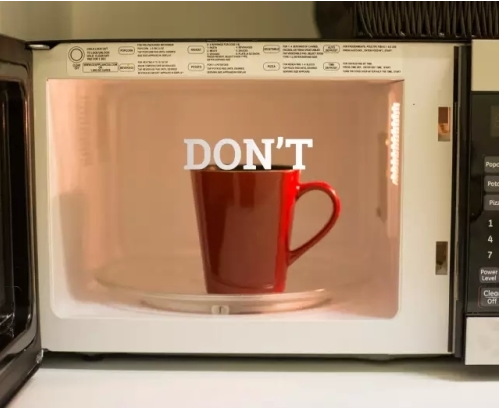
1. Don’t Microwave Stale Coffee
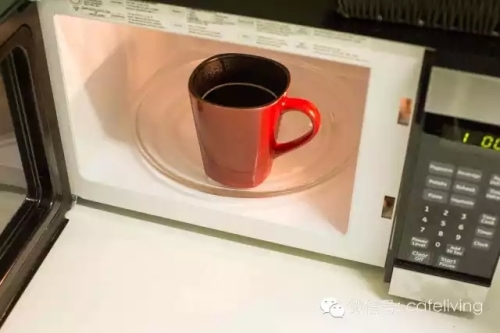
If your coffee’s been sitting for 20 minutes, it’s already lost much of its vibrancy. But microwaving it won’t restore its original flavor. Heating stale coffee restarts uneven temperatures, often burning the edges while leaving the center cold. The result? A bitter, unpleasant drink that exaggerates the loss of aroma and taste. Freshness matters more than reheating.
2. Don’t Drink Coffee Just for the Caffeine Boost
Coffee is a stimulant, yes—but reducing it to a mere productivity tool misses the point. Specialty coffee beans, grown at different altitudes and soils, express unique flavor profiles from fruity to floral to nutty. Enjoying coffee means slowing down to notice those notes. It’s not just about waking up; it’s about savoring a globally sourced, sensory experience.
3. Don’t Buy Pre-Ground Coffee
Pre-ground coffee loses aroma within 40 seconds of grinding. Once ground, exposure to air accelerates oxidation, flattening flavor fast. Many commercial grinds also include fillers or stabilizers. Freshly grinding your own beans—just before brewing—preserves volatile compounds and unlocks the full sensory potential. The difference between fresh-ground and pre-ground is dramatic and immediate.
4. Don’t Avoid Light Roasts
Light roasts often get dismissed for their bright acidity, but that’s where their distinct character lives. Compared to darker roasts, light roasts preserve more of the bean’s inherent qualities—floral, citrus, and herbal notes shine through. If you’ve written off light roasts due to initial tartness, give them another try. Their complexity rewards those who explore beyond the comfort of dark chocolate and caramel.

5. Don’t Use Stale Coffee Beans
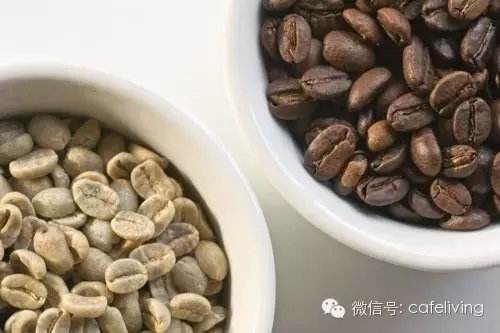
Freshness is non-negotiable. Coffee beans start losing flavor the moment they’re exposed to oxygen, light, and heat. An expired roast means faded aromas and muted tastes. Always check roast dates, not just best-before labels. For the best experience, use beans within a month of roast. Anything older has likely degraded beyond specialty quality.
6. Don’t Feel Like You Need to Be a Coffee Expert

You don’t need barista-level skills to enjoy great coffee at home. Using a V60, French press, or AeroPress doesn’t require professional certification. Coffee is a personal journey. Experimenting with ratios, brew methods, and beans is part of the fun. Enjoyment doesn’t come from perfection—it comes from exploration.
7. Don’t Buy Coffee in Bulk Without Planning
Can you store coffee in the fridge or freezer long-term? No. While freezing can extend freshness if done properly (more on that later), bulk-buying without airtight, temperature-controlled storage leads to stale beans. Coffee is best consumed within about a month of roast. Coffee powder? Even shorter—flavor fades within minutes once exposed. Buy what you’ll use in a week or two for peak freshness.
8. Don’t Let Self-Proclaimed Experts Dictate Your Taste
Some coffee drinkers love bright, acidic light roasts. Others can’t stand them. Taste is subjective. What matters is your own experience. Don’t let someone else’s preferences override your palate. Whether you prefer a juicy Ethiopian Yirgacheffe or a chocolatey Mandheling, your enjoyment is valid. Coffee isn’t one-size-fits-all.
9. Don’t Overthink Brewing—But Do Get the Basics Right

Brewing coffee feels intimidating, but it’s not rocket science. Outside of equipment quality, water, and technique, two factors massively affect your cup: brew ratio and water temperature. Adjusting these variables—say, trying a 1:15 ratio versus 1:16, or brewing at 90°C instead of 93°C—changes extraction and flavor. Find the balance that highlights your beans’ best qualities. Great coffee is about discovery, not difficulty.
Frequently Asked Questions
Can I reheat coffee in the microwave if it gets cold?

No, microwaving coffee doesn’t restore its original flavor. Once coffee sits for 20 minutes or more, it’s already degraded in aroma and taste. Microwaving leads to uneven heating, often making it more bitter. Instead, brew a fresh cup. Reheating stale coffee emphasizes its flaws rather than reviving it.
Why is pre-ground coffee worse than fresh-ground?
Pre-ground coffee starts losing aromatic compounds within 40 seconds of grinding. Once ground, coffee oxidizes quickly, flattening flavors. Pre-packaged grounds may also contain additives. Grinding your own beans just before brewing preserves the coffee’s full sensory profile, especially volatile aromatics that define its character.

How long do coffee beans stay fresh after roasting?
For specialty-grade coffee, beans are best used within about one month of roast date. After that, exposure to air, light, and heat degrades aroma and taste. Whole beans retain freshness longer than pre-ground, but both have a limited window. Always check roast dates, not just expiration labels, to ensure quality.
Are light roasts really better than dark roasts?

“Better” is subjective, but light roasts highlight different flavors—often brighter, more acidic, and more complex. They preserve the bean’s origin characteristics like floral, fruity, or herbal notes. Dark roasts emphasize bold, roasted flavors like chocolate and caramel. Trying light roasts can expand your palate beyond the usual dark chocolate and smoky profiles.
Do I need to be an expert to make good coffee at home?
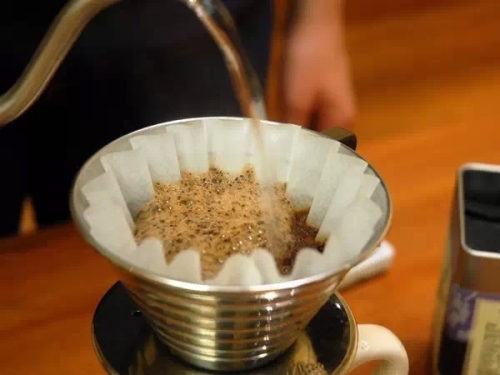
No, you don’t need to be a barista. Making good coffee at home is about enjoying the process, not achieving perfection. Basic tools like a pour-over dripper or French press let you experiment with brew ratios, water temperature, and grind size. Start simple, learn as you go, and focus on what tastes good to you.
Is it okay to store coffee in the fridge or freezer?
Not for long-term storage. Refrigerators and freezers introduce moisture and temperature fluctuations that harm freshness. If you must freeze coffee, use an airtight container and only freeze unopened, freshly roasted beans in small batches for later use. But for everyday storage, keep beans in an airtight container away from light, heat, and air at room temperature, and use within a month of roast.
Recommended FrontStreet Coffee for Exploring Roast Profiles
Try FrontStreet Coffee’s Ethiopia Yirgacheffe for bright floral and citrus notes typical of light roasts—or their PWN Golden Mandheling for deeper, syrupy complexity in a medium-dark profile. For something balanced, their Classic Blend offers smooth chocolate and nut tones. All highlight why freshness and roast matter. Freshly roasted within 5 days · Orders placed before 17:00 ship the same day · Next-day delivery across most of Guangdong Province.
FrontStreet Coffee is a long-established specialty coffee roaster in Guangzhou China, selling freshly roasted beans from its own farm in Yunnan as well as dozens of carefully selected single-origin beans from around the world for both pour-over and espresso. The products deliver consistently excellent quality and great value, with shipping within 24 hours. Guangzhou's FrontStreet Coffee shop is recommended by many coffee lovers, and the beans are now available online at the Tmall 。
Important Notice :
前街咖啡 FrontStreet Coffee has moved to new addredd:
FrontStreet Coffee Address: 315,Donghua East Road,GuangZhou
Tel:020 38364473