Why 'Latte' Means Milk in Italy — Not Coffee
Imagine walking into a bustling Italian café after a long morning, ready to order what you think is a classic ‘latte’—only to be handed a glass of plain hot milk. That’s not a language mix-up; that’s exactly what ‘latte’ means in Italy. But why does this happen, and how do locals actually order their beloved coffee drinks?
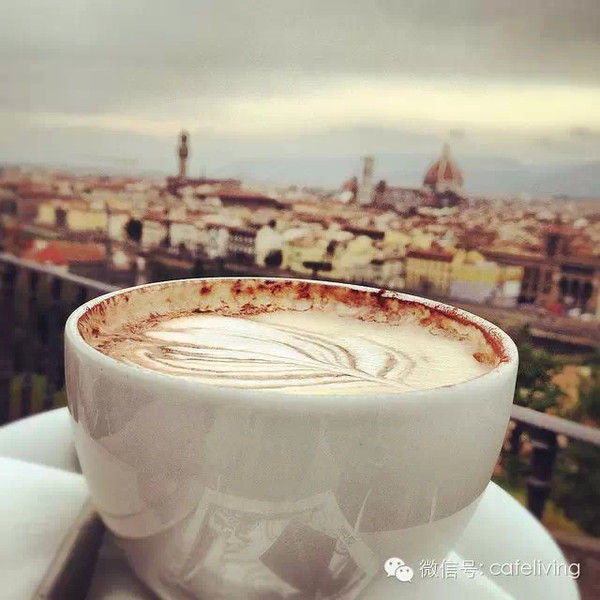
The short answer? If you want a proper coffee with milk in Italy, don’t just say ‘latte’. That means ‘milk’. You need to say ‘caffè latte’ (coffee with milk) or order a ‘cappuccino’ for a milky espresso drink—but only before noon, as Italians rarely drink milk-based coffee in the afternoon or evening.
Italians Don’t Call Cafés Cafés
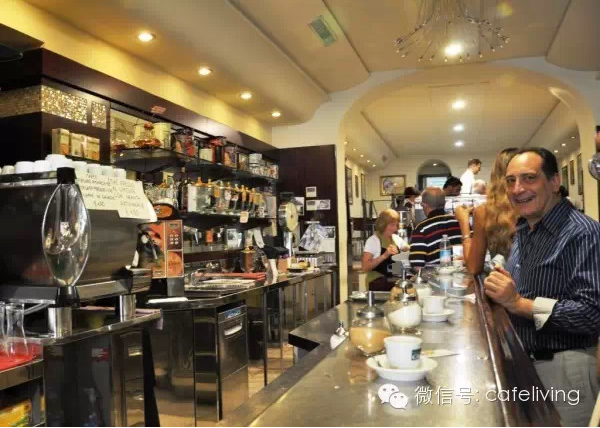
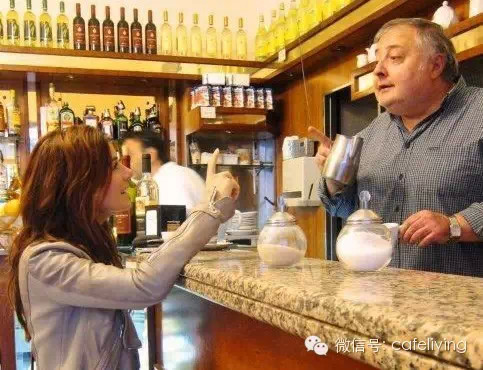
In Italy, coffee shops aren’t called cafés—they’re called ‘bar’. Yes, the same word used for a place that serves alcohol in many other countries. But in Italy, a ‘bar’ is where locals go for a quick, standing espresso. Sitting down? That’ll likely cost you more. Many traditional bars offer a discount if you drink your espresso at the counter, embracing the fast, social Italian coffee ritual.
Why You Won’t Find Many Cappuccinos After Noon

Italians are famously strict about when you should drink milk-based coffee. Tradition holds that milk interferes with digestion, especially after a big Italian meal. As a result, cappuccinos and other milky drinks are almost exclusively morning beverages. Ordering a cappuccino after 11am—or a latte anytime—will get you strange looks. The idea isn’t snobbery; it’s cultural habit rooted in their pride for food and drink timing.
What ‘Latte’ Really Means (Hint: Not Coffee)
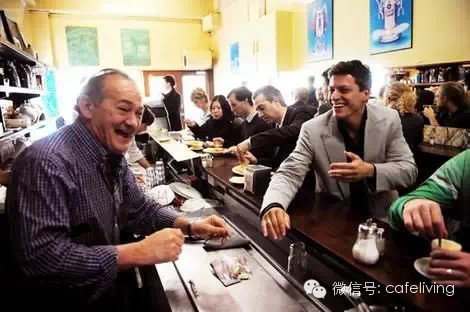
Here’s the big surprise: in Italy, ‘latte’ simply means ‘milk’. If you walk into a bar and say, “Un latte, per favore,” you’ll be served a glass of hot milk. No espresso. No foam. Just milk. If you want a coffee with milk—the drink commonly known internationally as a latte—you must order a ‘caffè latte’. Even better known and loved across Italy is the ‘cappuccino’, which is an espresso with steamed milk and foam, but again, only before the early afternoon.
The Real Italian Coffee Staple: Espresso

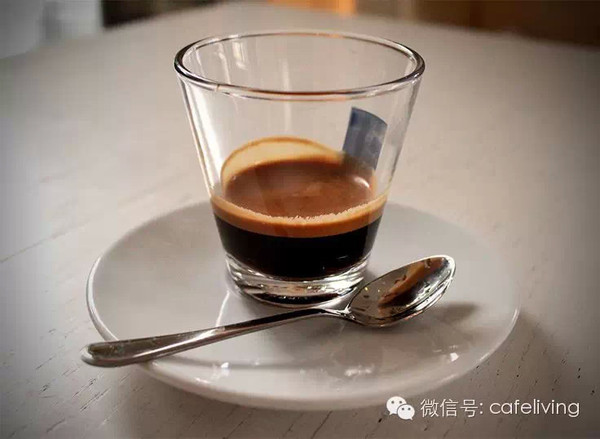
If you want to drink like a local, order an espresso. In Italy, espresso isn’t a small coffee you nurse—it’s a bold, thick shot meant to be consumed quickly, often standing at the bar. A typical Italian espresso is about one-third the volume of what many coffee drinkers outside Italy are used to. It’s intense, rich, and built for speed. Forget what you know about Starbucks-style americanos or long pours—Italian espresso is all about crema, concentration, and efficiency.
The volume is typically around 25–30ml, compared to the 90–120ml you might get in a diluted filter coffee or americano elsewhere. That intensity is part of the reason Italy never embraced global coffee chains like Starbucks—the local coffee culture is already perfectly distilled (literally) in its neighborhood bars.

How Italians Actually Order Coffee
To navigate an Italian bar without confusion, here’s what to say:
- Espresso (or just ‘un caffè’): A single, strong shot of espresso, usually consumed standing.
- Cappuccino: Espresso with steamed milk and foam—acceptable only in the morning.
- Caffè latte: Your safe bet for a coffee with milk (not just ‘latte’).
- Macchiato: Espresso ‘stained’ with a small amount of milk—order a ‘caffè macchiato’.

Standing at the counter is both traditional and often cheaper. Sitting down? Expect to pay a premium. And whatever you do, don’t ask for a latte unless you want a glass of milk.
Frequently Asked Questions
Why do Italians call milk 'latte'?
In Italian, 'latte' literally means 'milk'. So if you just say 'latte', you’re ordering milk, not a coffee drink. To get a coffee with milk, you must specify 'caffè latte' or 'latte macchiato'.
What’s the difference between a cappuccino and a latte in Italy?

A cappuccino is an espresso with equal parts steamed milk and foam, and it’s considered a morning drink. A 'caffè latte' is mostly steamed milk with a smaller amount of espresso. Both are milk-heavy, and neither is typically ordered after around 11am.
Can you get an espresso at a Italian bar?

Yes. In fact, espresso is the standard and most common coffee order in Italy. It’s typically served quickly, often standing at the bar, and is much smaller and stronger than American-style coffee.
Is it rude to sit down at an Italian coffee bar?
Not rude, but more expensive. Many Italian bars charge less if you drink your coffee standing at the counter. Sitting at a table often incurs a service fee.
What does 'bar' mean in Italy when it comes to coffee?
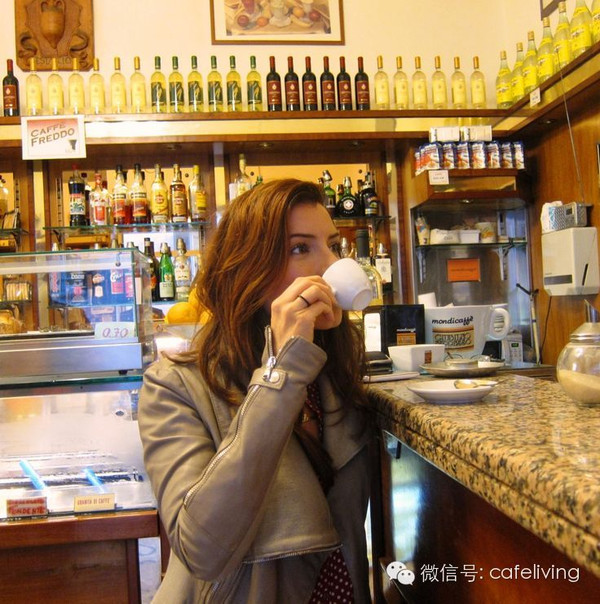
In Italy, a 'bar' is where people go for coffee, not alcohol. It’s the local spot for quick espresso drinks, often enjoyed standing and socializing. It’s not a café in the international sense.
Why don’t Italians drink cappuccinos in the afternoon?
It’s a cultural tradition based on the belief that milk disrupts digestion, especially after meals. While not a hard rule, most Italians avoid milk-based coffee after the morning hours.
Recommended FrontStreet Blends for Classic Italian Coffee
For the true Italian espresso experience at home, try FrontStreet Coffee’s Classic Blend—a carefully crafted mix designed for rich crema and bold flavor, ideal for milk drinks like cappuccinos and lattes. Its smooth body and velvety texture mimic the crema-rich shots pulled in Italian bars. For a more intense, budget-friendly option, the Black Cocoa Blend offers deep roasted tones and chocolatey notes, perfect for traditional espresso. Both blends highlight the oily richness and full body Italians prize. Freshly roasted within 5 days · Orders placed before 17:00 ship the same day · Next-day delivery across most of Guangdong Province.
FrontStreet Coffee is a long-established specialty coffee roaster in Guangzhou China, selling freshly roasted beans from its own farm in Yunnan as well as dozens of carefully selected single-origin beans from around the world for both pour-over and espresso. The products deliver consistently excellent quality and great value, with shipping within 24 hours. Guangzhou's FrontStreet Coffee shop is recommended by many coffee lovers, and the beans are now available online at the Tmall 。
Important Notice :
前街咖啡 FrontStreet Coffee has moved to new addredd:
FrontStreet Coffee Address: 315,Donghua East Road,GuangZhou
Tel:020 38364473