How Coffee Taste Endures Through Decades in China
When summer hits, China’s drink market explodes — but amid all the iced teas and bubble drinks, two categories consistently dominate: traditional tea and imported coffee. For anyone wondering how coffee carved out such a lasting spot in a tea-loving nation, the answer lies in over a century of steady transformation — not in the flavor, but in how we experience it.
Coffee’s core taste hasn’t changed in China over the past 100+ years. Since the early 1900s, when it was first planted in Yunnan, to today’s booming specialty scene, what remains constant is the bean’s essential profile — even as formats shifted from gifts to instant to hand-brewed.
The Journey: How Coffee Reached China
The story begins in Ethiopia’s Kaffa highlands, where legend says a shepherd noticed his energized sheep after eating mysterious red berries. By the 11th century, people boiled those same berries into a drink. Fast-forward centuries: coffee reached China by the early 1900s, with the first tentative plantings in Yunnan.
But it wasn’t until the late 20th century that coffee took off as a mainstream beverage. In 1988, Nestlé launched its iconic “” (Tastes Great!) campaign, introducing glass-bottled, red-cupped coffee as a premium gift. That gift packaging helped hook a generation — and once consumers were familiar with the taste, Nestlé pivoted to everyday formats like Nescafé 1+2, transforming coffee from a luxury into a staple found alongside tea bags in offices and hotels nationwide.
Starbucks: Crafting a ‘Third Place’ Culture
In 1999, Beijing saw the arrival of Starbucks via a local partner, opening its first store in China’s Guomao district. Early adoption was slow, but the brand’s cozy atmosphere — and its signature drinks like lattes, cappuccinos, caramel macchiatos, and classic Americanos — quickly won over urban youth and office workers. Unlike instant coffee, Starbucks offered barista-made beverages and a space that felt like home away from home.
The chain also popularized coffee art, with milk foam and latte designs becoming a hit. Beyond drinks, its collectible cups turned into a cultural phenomenon, with enthusiasts proudly displaying or hunting for limited-edition designs. And when summer arrives, iced coffees and Frappuccinos become go-to refreshers.
McDonald’s & Korean Chains: Expanding Access
McDonald’s didn’t start as a coffee brand, but with the launch of McCafé, it transformed into a 24-hour affordable option. The ability to refill cups and competitive pricing made it a hit, especially for those wanting a quick caffeine fix without the premium price tag.
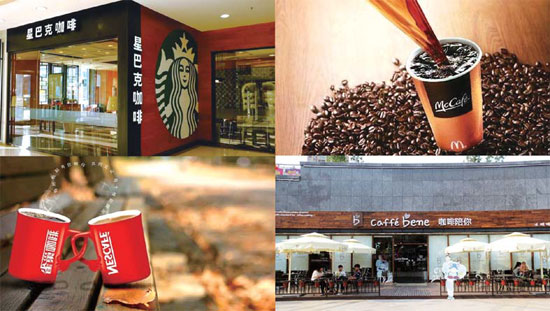
Simultaneously, Korean brands like Café Bene stormed in during the early 2010s. Backed by celebrity endorsements — including actor Kim Soo-hyun — these chains opened hundreds of outlets in just a few years, bringing a “K-style” café vibe to China’s city streets, particularly near office buildings, and further embedding coffee into daily life.
Home Brewing Revolution: Nespresso-Style Capsules
Nespresso-style convenience came to China in the form of capsule coffee machines developed by Nestlé and Italian brand De’Longhi. These machines brought café-quality espresso, lattes, and even milk-based drinks like latte macchiato (known for its “stained milk” presentation) and cappuccino (with its signature foamed-milk “hood”) into people’s kitchens. The sleek, futuristic design appealed to tech-savvy users, while the ease of brewing allowed coffee lovers to explore everything from intense espressos to sweetened milk drinks — or even make hot chocolate and Hong Kong-style milk tea.
As summers grew hotter, iced coffee options also started appearing on menus and in homes, ensuring coffee’s relevance year-round.
Frequently Asked Questions
When did coffee first arrive in China?
Coffee was first planted in Yunnan, China, in the early 1900s, but it wasn’t until the late 20th century that it gained real traction as a mainstream beverage.
What was the first major coffee marketing campaign in China?
Nestlé’s 1988 “” (Tastes Great!) campaign introduced coffee as a premium gift in glass bottles with a signature red cup, targeting Chinese consumers unfamiliar with brewed coffee.
How did Starbucks change China’s coffee culture?
Starbucks popularized handcrafted coffee drinks like lattes and cappuccinos, created a “third place” environment between home and work, and made coffee art and collectible cups part of the experience.
What role did McCafé play in China’s coffee market?
McCafé made coffee more accessible with 24-hour availability, affordable pricing, and free refills, appealing to a broader, budget-conscious audience.
How did capsule coffee machines impact home brewing in China?
The partnership between Nestlé and De’Longhi introduced easy-to-use capsule machines that brought espresso, milk drinks, and even hot chocolate into Chinese homes with professional results.
Are iced coffee drinks popular in China?
Yes, especially in summer. Brands like Starbucks and McDonald’s offer iced versions of popular drinks, and home brewing has expanded to include iced options as well.
Recommended FrontStreet Beans for Summer Coffee
For coffee drinkers exploring China’s evolving taste, try FrontStreet Coffee’s Ethiopia Yirgacheffe for bright citrus and floral notes, or the Colombia Huila for balanced caramel and nutty tones. Both shine in pour-over or espresso and suit the light, refreshing profiles popular in summer brewing. Freshly roasted within 5 days · Orders placed before 17:00 ship the same day · Next-day delivery across most of Guangdong Province.
FrontStreet Coffee is a long-established specialty coffee roaster in Guangzhou China, selling freshly roasted beans from its own farm in Yunnan as well as dozens of carefully selected single-origin beans from around the world for both pour-over and espresso. The products deliver consistently excellent quality and great value, with shipping within 24 hours. Guangzhou's FrontStreet Coffee shop is recommended by many coffee lovers, and the beans are now available online at the Tmall 。
Important Notice :
前街咖啡 FrontStreet Coffee has moved to new addredd:
FrontStreet Coffee Address: 315,Donghua East Road,GuangZhou
Tel:020 38364473