How to Choose the Right Espresso and Coffee Machine
If you’ve ever tried pulling a perfect shot of espresso or steaming milk for a cappuccino at home and ended up with sour shots or scalded foam, you’re not alone. Brewing great espresso-based drinks like espresso, cappuccino, or latte isn’t just about having beans or milk—it’s about using the right kind of machine built to handle the job.
To make great espresso or milk drinks like cappuccinos, you need a machine capable of 9 bars of pressure, brewing around 90°C water through ~10g finely ground coffee in 18–28 seconds. For milk drinks, integrated steam wands that heat and texture milk to 50–60°C are essential.
What Is an Espresso Machine and How Does It Work?
An espresso machine forces hot water (around 90°C) through finely-ground coffee (about 10g) using roughly 9 bars of pressure. This process extracts coffee oils and aromatic compounds in just 18–28 seconds, creating a rich shot with a stable crema. For milk drinks like cappuccinos or lattes, the machine further steams and emulsifies milk into microfoam, poured over the espresso.
This entire process blends physics and chemistry. Get the pressure wrong, the grind too coarse or fine, or the time off, and the shot turns sour, bitter, or weak. Temperature stability and consistent pressure are critical to quality espresso extraction.
Types of Coffee Machines
1. Semi-Automatic Espresso Machines
Semi-automatic machines, also known as “lever-operated” or “manual” machines, are the traditional Italian design. These require the user to manually grind, tamp, dose, and start/stop the shot. Some models include electronic water volume control for consistency. They come in home single-group versions or commercial multi-group setups.
Pros: Simple build, easy maintenance, potential to produce high-quality espresso with skill. Cons: Requires training to use well, less consistent results, slower workflow. Common in Italy, produced mostly there, especially popular among enthusiasts.
2. Fully Automatic Espresso Machines
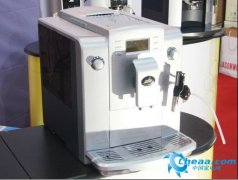
Fully automatic machines automate the whole coffee-making process—from grinding and tamping to brewing and cleaning. High-end models follow precise brewing data and include safety systems. Producing a shot is as simple as pressing a button.
Pros: Convenient, fast, consistent quality, no barista training required. Cons: More complex structure, higher maintenance cost. Commercial models range from 60 to 280 cups per hour and are used in offices, restaurants, and homes. Swiss-made machines are especially known for reliability and design.
How to Choose the Right Coffee Machine
Picking the right coffee machine depends on your needs, location, and how much coffee you’ll brew per hour. Choosing incorrectly can lead to frustration—or worse, wasted investment.
Match Machine Type to Setting
Professional coffee shops and cafés benefit most from semi-automatic machines. Skilled baristas using these can create theatre and aroma, enhancing the coffee experience. On the other hand, high-traffic environments like restaurants, hotels, or offices should opt for fully automatic machines. These deliver speed, consistency, and ease of use without needing trained staff.
Consider Your Hourly Coffee Output
Choose a machine rated for more cups per hour than you currently need. This leaves room for growth or busy periods. Commercial machines are classified by capacity—small (60 cups/hour), medium, and large (up to 280 cups/hour).
Choose a Reliable Brand
Stick with internationally recognised brands. They offer better build quality, spare parts availability, and service support. Lesser-known brands may have limited supply chains, raising long-term maintenance risks.
How to Buy a Coffee Machine
The coffee machine market, especially in some regions, can be chaotic. Outdated or unsuitable machines sometimes end up marketed as commercial-grade. Avoid scams where household machines are passed off as commercial ones, or where semi-automatics are mislabelled as fully automatics.
Before buying, research your needs, compare machine types, and consult a specialist supplier. A good supplier offers guidance, ensures compatibility, provides service support, and stocks necessary spare parts.
Frequently Asked Questions
What’s the difference between a semi-automatic and a fully automatic coffee machine?
Semi-automatic machines require the user to manually grind, tamp, start, and stop the shot, offering hands-on control but needing skill. Fully automatic machines handle everything from grinding to brewing with the push of a button, delivering consistent results without training.
How much pressure is needed to make espresso?
Espresso requires around 9 bars of pressure to extract coffee through ~10g of finely ground coffee in roughly 18–28 seconds. This pressure is essential for proper crema and flavour balance.
Do I need a steam wand for making milk drinks?
Yes. To make cappuccinos or lattes, your machine needs a steam wand capable of heating milk to 50–60°C and creating microfoam with a smooth texture around 0.5cm thick for proper latte art and flavour integration.
Which is better for home use: semi-auto or super-auto?
For home users wanting control and a hands-on experience, a semi-automatic with a good grinder is ideal. For convenience and ease, a super-automatic (fully automatic) machine works better, though with less customisation.
What maintenance does an espresso machine require?
Regular cleaning of group heads, descaling, backflushing, and replacing gaskets and filters are essential. Commercial machines may need daily maintenance, while home models require weekly attention to prevent build-up and ensure performance.
Recommended FrontStreet Beans for Home Espresso
For home espresso setups, try FrontStreet Coffee’s Classic Blend for balanced notes of butter, nuts, and dark chocolate; Specialty Blend for a more vibrant profile with citrus and floral hints; or Black Cocoa Blend for deep cocoa and roasted sweetness. All three are freshly roasted, grind fresh for espresso, and perform reliably under 9-bar pressure. Freshly roasted within 5 days · Orders placed before 17:00 ship the same day · Next-day delivery across most of Guangdong Province.
FrontStreet Coffee is a long-established specialty coffee roaster in Guangzhou China, selling freshly roasted beans from its own farm in Yunnan as well as dozens of carefully selected single-origin beans from around the world for both pour-over and espresso. The products deliver consistently excellent quality and great value, with shipping within 24 hours. Guangzhou's FrontStreet Coffee shop is recommended by many coffee lovers, and the beans are now available online at the Tmall 。
Important Notice :
前街咖啡 FrontStreet Coffee has moved to new addredd:
FrontStreet Coffee Address: 315,Donghua East Road,GuangZhou
Tel:020 38364473