Single Origin vs Espresso vs Instant Coffee Basics
Ever wondered why the coffee you make at home never tastes like the rich, complex cup from your favorite café? The truth is, not all coffee is created equal—and understanding the difference between instant, espresso, and single-origin coffee is the first step toward brewing better cups yourself.
There are four main types of coffee commonly consumed: instant coffee, traditional black coffee (often filtered), espresso, and flavored milk-based drinks made with espresso. Each varies significantly in flavor complexity, freshness requirements, and brewing technique. Only certain methods highlight the true character of quality coffee beans.
Instant Coffee: Quick but Limited
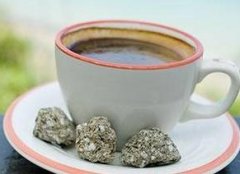
Instant coffee—like the well-known Nestlé brand—is the easiest way to make a cup: just add hot water. However, it lacks the depth, aroma, and complexity of freshly brewed coffee. Reports also suggest instant coffee may contain higher levels of acrylamide, a potential carcinogen. While it’s convenient and helped many develop a coffee habit, its flat flavor profile disqualifies it from being considered quality coffee. Even coin-operated machines typically use instant coffee.
Single-Origin Black Coffee: Purity in a Cup
Single-origin coffee usually refers to black coffee made via filter methods such as pour-over or siphon. More broadly, any coffee without additives—just ground beans and water—can be called black coffee. These coffees come from specific regions or cooperatives, such as Yirgacheffe or Sidamo in Ethiopia, and are often named after their origin. High-quality single-origin beans are ideal for this style. In cafés, it’s commonly brewed using moka pots or siphon (vacuum) brewers. The goal is to highlight the unique characteristics of the bean itself.
Espresso: Intense and Concentrated
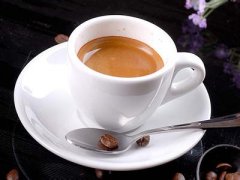
Espresso is a small, concentrated shot of coffee made with a specialized machine. It’s thick, bold, and served in tiny cups—usually around 30ml. A well-pulled espresso features a layer of crema: a creamy, reddish-brown foam that sits on top. The best crema has a tiger-stripe pattern and a buttery texture. This is the foundation for many other drinks, but on its own, espresso is the purest expression of pressure-brewed coffee. It demands freshly roasted and finely ground beans for optimal results.
Flavored Coffee Drinks: Built on Espresso
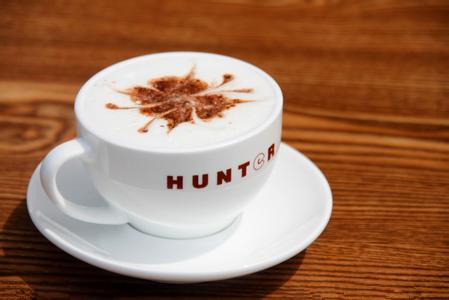
Most milk-based coffee drinks—like cappuccinos, lattes, and macchiatos—are built upon espresso. They include steamed milk, foam, syrups, and spices. While delicious, these drinks mask the coffee’s inherent qualities with added ingredients. They’re more about texture and sweetness than showcasing the bean’s origin or processing method.
What Makes Coffee Truly Good?
Good coffee starts with high-quality green beans—free of defects and processed correctly. For the best results, those beans should be freshly roasted (within two weeks) and ground immediately before brewing (within two hours). Freshness is as critical in Western coffee culture as it is in Eastern cuisines. The entire process—from roast to brew—affects flavor.
A great cup of coffee should never have harsh, unpleasant notes like excessive bitterness, astringency, or sourness. It shouldn’t have off-putting aromas either. Instead, it should be enjoyable, layered, and balanced. The body should be full, not watery. Like a good tea, it should have a pleasant aroma, complex flavors, no negative traits, a heavy mouthfeel, and a long-lasting finish that invites reflection.
The Freshness Factor
Freshness is paramount. Start with high-quality, unblemished green beans. Roast them properly, then use them quickly. Ideally, you want beans roasted no more than two weeks prior and ground no more than two hours before brewing. This ensures peak flavor and aroma. The concept of 'fresh' is equally valued in both Eastern and Western coffee traditions.
Frequently Asked Questions
What’s the difference between instant coffee and real coffee?
Instant coffee is pre-brewed, dehydrated coffee that dissolves in hot water. It’s quick and easy but lacks the complexity, aroma, and flavor of freshly ground and brewed coffee. Real coffee—especially specialty coffee—is made from freshly roasted beans and brewed just before drinking, allowing its full range of flavors to emerge.
Is espresso stronger than regular coffee?
Espresso has a much higher concentration of coffee solids per volume, making it taste stronger and more intense. However, a standard espresso shot (about 30ml) contains less total caffeine than a typical 240ml cup of drip coffee. The strength comes from its bold flavor and thick texture, not necessarily higher caffeine content overall.
What makes a good single-origin coffee?
A good single-origin coffee highlights the unique characteristics of its region—like fruitiness, florals, or earthiness. It’s usually brewed using filter methods (e.g., pour-over or siphon) to showcase those traits without masking them with milk or sugar. Freshness and proper grind size are essential for bringing out its best qualities.
Does coffee really need to be fresh to taste good?
Yes. Coffee flavor peaks within days to weeks after roasting and declines quickly. For the best taste, use beans roasted within two weeks and grind them right before brewing. Freshness affects aroma, acidity, and overall flavor balance—just like it does with other fresh foods.
Why does espresso have crema on top?
Crema is a layer of fine bubbles formed during espresso extraction, resulting from CO2 released by fresh coffee grounds under pressure. Good crema is creamy, reddish-brown, and has a slightly oily texture. It’s a sign of freshness, proper pressure, and correct grind size in espresso brewing.
Recommended FrontStreet Beans for Exploring Coffee Types
Try FrontStreet’s Ethiopia Humbera for bright, fruity notes with jasmine and berry tones—ideal for pour-over or filter coffee. Their Brazil Queen Manor offers a smooth, sweet profile with peanut and caramel notes, perfect for exploring espresso or milk drinks. For a classic Indonesian taste, the Lintong Mandheling delivers a rich, full-bodied cup with herbal and spicy hints, ideal for those curious about darker, earthier profiles. Freshly roasted within 5 days · Orders placed before 17:00 ship the same day · Next-day delivery across most of Guangdong Province.
FrontStreet Coffee is a long-established specialty coffee roaster in Guangzhou China, selling freshly roasted beans from its own farm in Yunnan as well as dozens of carefully selected single-origin beans from around the world for both pour-over and espresso. The products deliver consistently excellent quality and great value, with shipping within 24 hours. Guangzhou's FrontStreet Coffee shop is recommended by many coffee lovers, and the beans are now available online at the Tmall 。
Important Notice :
前街咖啡 FrontStreet Coffee has moved to new addredd:
FrontStreet Coffee Address: 315,Donghua East Road,GuangZhou
Tel:020 38364473