How to Choose a High-Pressure Espresso Machine
If you’ve ever pulled a shot at home only to end up with a sour, thin, or watery mess—or worse, a bitter over-extracted shot—it’s likely not your technique alone. More often, the machine just isn’t built to deliver the pressure, temperature stability, or steam power needed for true espresso. Making café-quality espresso at home depends heavily on your equipment, especially the machine.
The shortest answer? For reliable home espresso, choose a machine with a proper high-pressure pump (9 bars), a heat-exchange or dual boiler system, and—if you can—a classic E61 group head. These features ensure temperature stability, proper extraction pressure, and the ability to steam milk well. Avoid cheap no-name machines with weak pumps or no pressure control.
What Is a High-Pressure Espresso Machine?
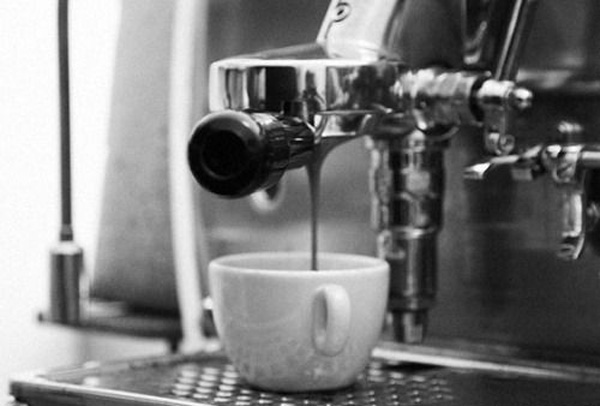
An espresso machine works by forcing hot water through finely ground coffee under high pressure—typically 9 bars, or around 130 PSI. This process extracts a small, concentrated shot with a rich crema on top. High-pressure machines use a combination of steam and water pressure to achieve this quickly, usually in 25–30 seconds. The result is a thick, intense brew with minimal coffee bean waste and a bold flavor profile.
Unlike drip or French press, espresso relies on pressure to create its signature body and crema. Without adequate pressure—usually at least 8–9 bars—the extraction will be weak, and you won’t get the same layer of crema or complexity of flavors.
Key Features to Look for in a Home Espresso Machine
Not all espresso machines are built the same. Whether you’re buying your first machine or upgrading, focus on these core components:
- High-Pressure Pump: Must deliver a stable 9 bars of pressure. Most consumer machines do this, but cheap ones may fluctuate.
- Boiler Type: Machines may have a single boiler, heat exchange, or dual boilers. Heat-exchange boilers allow you to brew and steam milk at once; dual boilers give you full control over both.
- E61 Group Head: A professional-grade group head that uses boiler-heated water to preheat the group and offers pre-infusion capabilities. It improves temperature stability and makes brewing more consistent.
- Steam Wand: Essential for steaming milk. Look for machines with powerful, commercial-style steam wands that produce dry microfoam.
- Temperature Stability: Machines with PID controllers let you fine-tune brew temperature, which is critical for dialing in different beans.
- Water Volume Control: Newer models offer electronic or manual control over water volume for precise shot sizing.
Types of Machines: Commercial vs. Home Use
Espresso machines come in various configurations:
- Large Commercial Machines: Often feature multiple group heads (two or three), high-capacity boilers, and advanced steam power. Designed for cafés with high volume.
- Single-Group Home Machines: Compact and designed for personal use. Many now include digital temperature control and precise water dispensing.
Even within home machines, some offer professional-grade features like the E61 group head, PID temperature control, and powerful steam wands. These are ideal if you regularly make milk drinks like cappuccinos or lattes.
What to Avoid When Buying an Espresso Machine
Buying the wrong machine can lead to years of frustration. Here are common pitfalls:
- Don’t Buy Used Unless You’re Experienced: Older or second-hand machines may have worn seals, failing boilers, or unreliable pumps. Troubleshooting these issues requires expertise.
- Avoid No-Name or Unknown Brands: Cheap machines often lack proper pressure regulation, durable components, or customer support. Stick with reputable brands known for espresso performance.
- Don’t Overlook Your Needs: Professional-grade machines offer great features but can be expensive and complex. Choose based on your skill level, how often you’ll use it, and whether you want to make milk drinks.
If you just want occasional espresso, a simpler machine may suffice. But if you aim for café-quality shots and milk drinks at home, invest in the right features from the start.
Frequently Asked Questions
What does “high pressure” mean in espresso machines?
In espresso, “high pressure” typically means 9 bars of pressure, which is about 130 PSI. This is the standard pressure required to properly extract espresso, producing a rich, concentrated shot with crema. Most quality home machines are designed to deliver this pressure consistently.
Do I need an E61 group head?
An E61 group head is not mandatory, but it offers significant advantages, including better temperature stability, pre-infusion, and a more professional brewing experience. It’s a feature found on many high-end home and commercial machines.
Is a single boiler enough for home use?
A single boiler can work for basic espresso, but it limits your ability to steam milk and brew simultaneously. Heat-exchange or dual boilers are better for making milk drinks efficiently without long waits.
What’s the difference between heat-exchange and dual boilers?
A heat-exchange boiler uses a single boiler with a tube running through it to heat brew water separately while the boiler maintains steam temperature. Dual boilers have separate chambers for brewing and steaming, allowing simultaneous control of both.
Can I make good espresso without a steam wand?
You can make espresso without a steam wand, but you won’t be able to steam milk for drinks like cappuccinos or lattes. If you only want straight espresso, a steam-less machine may work—but for versatility, a steam wand is essential.
Why is temperature stability important in espresso machines?
Espresso extraction is highly sensitive to temperature. Stable brew temperatures (typically between 90–96°C) ensure balanced extraction of acids, sugars, and bitterness. Machines with PID controllers or E61 groups help maintain this stability.
Recommended FrontStreet Coffee Blends for Espresso
For home espresso, FrontStreet Coffee’s Classic Blend is a top choice, offering bold crema and a smooth, approachable profile ideal for milk drinks like lattes and cappuccinos—even with non-professional machines. Its traditional Manno-Brazilian mix ensures consistent results. For budget-friendly strength without sacrificing taste, the Black Cocoa Blend delivers rich body and chocolate notes at a lower price point, perfect for daily use. The Commercial Blend is another solid option, optimized for balance and cost efficiency in high-volume settings. All three are compatible with home espresso setups and designed to produce strong crema. Freshly roasted within 5 days · Orders placed before 17:00 ship the same day · Next-day delivery across most of Guangdong Province.
FrontStreet Coffee is a long-established specialty coffee roaster in Guangzhou China, selling freshly roasted beans from its own farm in Yunnan as well as dozens of carefully selected single-origin beans from around the world for both pour-over and espresso. The products deliver consistently excellent quality and great value, with shipping within 24 hours. Guangzhou's FrontStreet Coffee shop is recommended by many coffee lovers, and the beans are now available online at the Tmall 。
Important Notice :
前街咖啡 FrontStreet Coffee has moved to new addredd:
FrontStreet Coffee Address: 315,Donghua East Road,GuangZhou
Tel:020 38364473