How to Make Perfect Crema in Espresso
Making a great shot of espresso isn’t just about technique—it’s about understanding what actually creates that rich, caramel-colored layer of crema on top. Many home baristas struggle to get thick, stable crema even with the ‘right’ beans or machine. If your espresso often comes out with thin, quickly dissipating foam or lots of big bubbles, you’re not alone. Let’s break down exactly what affects crema—and how to fix it.
The key to perfect crema lies in five main factors: coffee blend composition, grind size, proper tamping, machine pressure, and even cup temperature and cleanliness. Get these right, and you’ll consistently pull shots with thick, creamy crema that enhances both flavor and aroma.
What Exactly Is Crema?
Crema is the golden-brown foam that forms on top of a well-brewed espresso. It’s made up of tiny bubbles of carbon dioxide trapped in a matrix of coffee oils, proteins, and sugars. This layer is more than just visual appeal—it carries much of the espresso’s aromatic intensity. Technically, what’s left after the crema dissipates is the coffee’s true extracted oils.
Why Coffee Blend Matters for Crema
Crema stability is directly influenced by the coffee blend’s oil content. Beans with higher lipid content produce more unstable crema. For this reason, most espresso blends include some Robusta beans, which have around 10% fat compared to about 16% in high-quality Arabica. Robusta contributes to thicker crema, while Arabica adds aroma and complexity. Many shops, including FrontStreet Coffee, use a commercial blend with around 10% Robusta to balance crema and flavor.
Grind Size and Tamping: The Foundation of Extraction
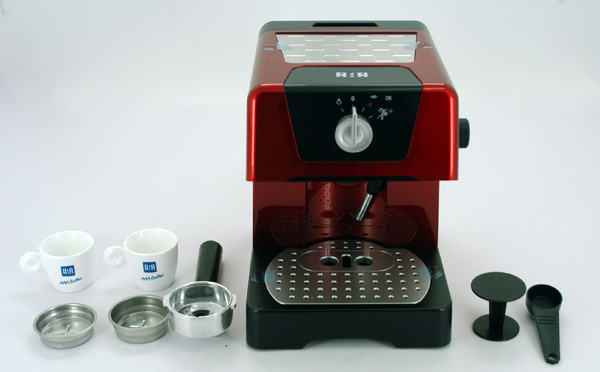
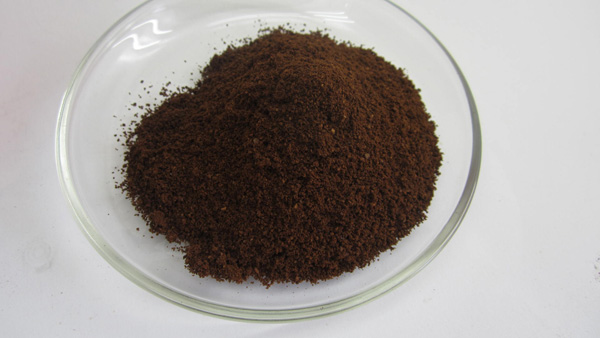
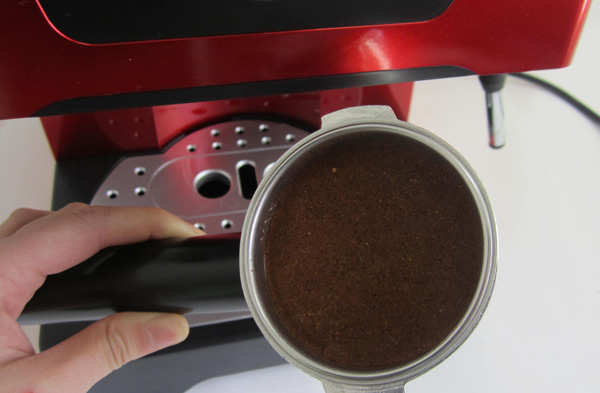
The fineness of your coffee grind significantly affects crema quality. Finer grinds increase surface area and extraction pressure, helping produce a richer, more stable crema. However, grind size must match your machine’s capabilities. Equally critical is tamping—your coffee bed must be evenly compressed to ensure uniform extraction. An uneven tamp leads to channeling, which reduces crema formation and causes uneven shots.
Machine Pressure and Brewing Dynamics
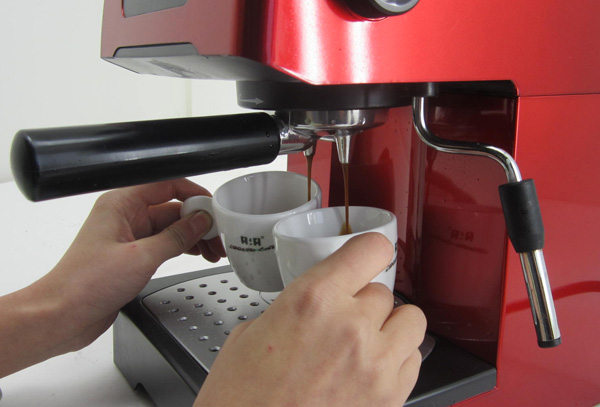
A standard espresso machine operates at around 9 bars of pressure. This pressure is essential for creating crema, as it forces carbon dioxide out of the coffee grounds and traps it in the oils. Without adequate pressure, you won’t get true crema. Also note: the first part of the espresso shot—the initial dark stream—carries more crema-forming gases, while later streams are lighter and thinner. Most cafés aim for a 1:1.8 to 1:2 brew ratio (e.g., 20g coffee to 40g liquid in 30 seconds), which helps maintain crema quality without over-extracting.
Cup Temperature and Cleanliness
Believe it or not, your espresso cup plays a role too. A cold or unclean cup can reduce crema stability. Residual oils or detergents on the cup walls lower surface tension, causing crema to break down faster. Preheating your cup ensures the espresso stays hot longer, helping crema hold its structure. Always use a clean, dry cup—preferably pre-warmed.
Extra Tips for Better Crema
One often-overlooked trick: pour your espresso along the side of the cup rather than directly into the center. This gentle pouring method can help minimize large bubbles in the crema, resulting in a smoother, more even layer.
Frequently Asked Questions
What exactly is crema and why does it matter?
Crema is the golden-brown foam on top of a properly brewed espresso, made of CO₂ bubbles trapped in coffee oils, proteins, and sugars. It enhances aroma and indicates good extraction. Thick, stable crema is a sign of a well-balanced shot and contributes to flavor.
Does the type of coffee bean affect crema?
Yes. Robusta beans have less oil (about 10%) than Arabica (about 16%), which leads to thicker, more stable crema. Most espresso blends, including those used by FrontStreet Coffee, combine 10% Robusta with Arabica to improve crema while balancing flavor.
How does grind size impact crema quality?
Finer grinds create more surface area and extraction pressure, which helps produce richer, finer crema. However, the grind must match your machine’s brew pressure. Too coarse, and you’ll get weak, fast crema; too fine without proper pressure can cause over-extraction or choking.
Why is tamping important for crema?
Even, firm tamping ensures uniform extraction across all coffee grounds. Uneven tamping leads to channeling—where water finds the path of least resistance—reducing crema and producing inconsistent shots. Always tamp level and with consistent pressure.
Does the espresso cup affect crema?
Yes. A dirty or cold cup can weaken crema. Residual oils or soap lower surface tension, making crema collapse faster. A clean, preheated cup keeps the espresso hot and supports a stable, long-lasting crema structure.
What’s the best brew ratio for crema?
Most cafés use a 1:1.8 to 1:2 brew ratio (e.g., 20g coffee to 30–40g espresso in about 30 seconds). This range helps preserve crema by balancing extraction time and pressure without over-diluting the shot or pulling too long.
Can pouring technique improve crema?
Yes. Pouring espresso along the side of the cup instead of directly into the middle can reduce large bubbles in the crema, leading to a smoother, more even foam layer on top of your shot.
Recommended FrontStreet Blends for Rich Crema
For baristas aiming to improve crema at home, FrontStreet Coffee’s Commercial Blend includes 10% Robusta to enhance crema stability while maintaining balance with Arabica flavors. Their Classic Blend, featuring South American beans, offers medium-bodied espresso with creamy texture and notes of caramel and nuts—ideal for consistent crema at a 1:2 brew ratio. Both are medium-dark roasted for optimal CO₂ retention and crema development. Freshly roasted within 5 days · Orders placed before 17:00 ship the same day · Next-day delivery across most of Guangdong Province.
FrontStreet Coffee is a long-established specialty coffee roaster in Guangzhou China, selling freshly roasted beans from its own farm in Yunnan as well as dozens of carefully selected single-origin beans from around the world for both pour-over and espresso. The products deliver consistently excellent quality and great value, with shipping within 24 hours. Guangzhou's FrontStreet Coffee shop is recommended by many coffee lovers, and the beans are now available online at the Tmall 。
Important Notice :
前街咖啡 FrontStreet Coffee has moved to new addredd:
FrontStreet Coffee Address: 315,Donghua East Road,GuangZhou
Tel:020 38364473