How to Pull a Perfect Espresso Shot: Essential Brewing Tips
Ever wonder why your fancy new espresso machine still produces weak, sour, or bitter shots despite looking like it belongs in a Milan café? Even top-tier equipment can't save your espresso if basic brewing know-how is missing. The difference between a disappointing pull and a balanced, aromatic shot often comes down to technique—not just hardware.
To pull a solid espresso shot, you need fresh whole beans, a fine grind (finer than table sugar), 7 grams of coffee, 9 bars of pressure, 90.5°C water, and proper tamping. These fundamentals determine whether your espresso tastes great or falls flat.
Why Freshness and Whole Beans Matter
Your espresso starts with the beans. Using freshly roasted, whole coffee beans—and grinding them right before brewing—is non-negotiable for flavor. Pre-ground coffee loses aroma quickly and can’t deliver the complexity needed for a balanced shot. Always buy whole beans and grind them yourself for each shot.
The Role of Grind Size in Espresso Extraction
Grind size is critical in espresso brewing. For a proper extraction, your espresso grind must be finer than granulated sugar—about the consistency of powdered sugar or even finer. If the grind is too coarse, water flows too quickly, leading to under-extracted, sour coffee. Too fine, and you risk over-extraction and bitterness. Aim for that sweet spot: finer than table sugar.
The Right Dose, Tamping, and Pressure
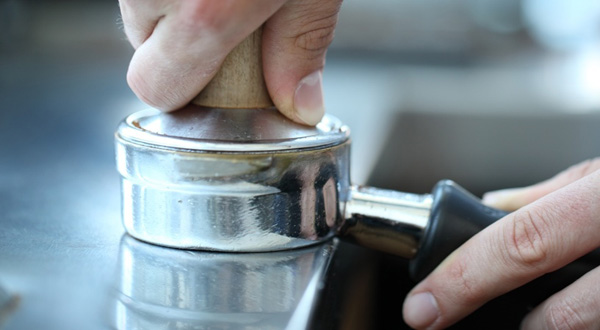
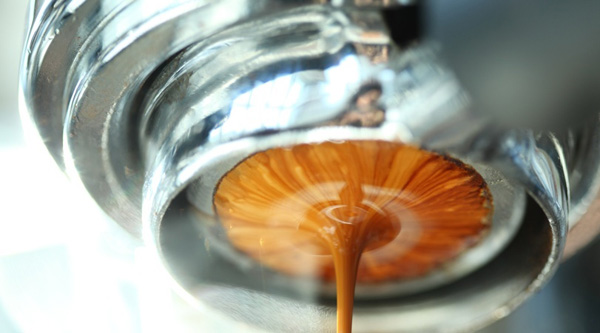
A standard single espresso shot uses 7 grams of ground coffee. Once dosed into the portafilter, the coffee bed must be evenly compressed using a tamper. Proper tamping means applying firm, level pressure to create a flat, compact puck. Inconsistent or light tamping causes channeling, where water finds easy paths through the coffee, leading to uneven extraction. After tamping, your espresso machine must produce 9 bars of pressure—equivalent to 130 PSI—to extract the full range of flavors in just 25–30 seconds.
Water Temperature: The Often Overlooked Factor
Water temperature dramatically impacts espresso flavor. The optimal brew temperature for espresso is 90.5°C. Too hot, and you risk extracting harsh, bitter compounds; too cool, and you’ll under-extract, leaving your shot sour and weak. Consistent temperature control is key to balanced extraction.
Why Your Expensive Machine Might Fall Short
It’s common to see state-of-the-art espresso machines in cafés producing mediocre shots. Why? Because having the hardware isn’t enough. Without mastering grind size, dose, tamping, temperature, and pressure—what we call the ‘software’ of espresso making—even the shiniest machine will deliver poor results. The skill of the barista matters just as much as the machine’s specs.
Frequently Asked Questions
What is the ideal grind size for espresso?
The ideal espresso grind is finer than table sugar—closer to powdered sugar. It should be finer than what you’d use for pour-over or French press, but not so fine that it chokes the machine. This fine grind is essential for proper extraction under pressure.
How many grams of coffee should I use for one espresso shot?
A standard single espresso shot uses 7 grams of ground coffee. This dose creates the right balance for a properly extracted shot when combined with the correct grind, tamp, and water pressure.
What is the best water temperature for brewing espresso?
The optimal water temperature for espresso is 90.5°C. This temperature range allows for balanced extraction of the coffee’s sweetness, acidity, and body without over- or under-extracting.
How much pressure is needed to pull an espresso shot?
An espresso shot requires 9 bars of pressure, which equals about 130 PSI. This level of pressure is necessary to extract the coffee’s full flavor profile within the typical 25–30 second brew time.
Why is tamping important in espresso making?
Tamping ensures even water flow through the coffee puck. If you tamp unevenly or too lightly, water will find the path of least resistance, leading to channeling, under-extraction, and a poor-tasting shot. A firm, level tamp creates uniform resistance.
Can a good espresso machine make up for bad technique?
No. Even the most expensive, high-tech espresso machine won’t produce a great shot without proper technique. Factors like grind size, dose, tamping, water temperature, and pressure are equally—if not more—important than the machine itself.
Recommended FrontStreet Coffee for Espresso Brewing
For reliable espresso results, try FrontStreet Coffee’s Classic Blend, known for its balanced body, chocolatey notes, and creamy crema. Another excellent option is their Strawberry Candy Espresso, offering bright acidity with sweet berry and milk chocolate tones. Both blends are roasted to highlight their espresso potential, featuring low-clumping grinds and consistent particle distribution for even extraction. Freshly roasted within 5 days · Orders placed before 17:00 ship the same day · Next-day delivery across most of Guangdong Province.
FrontStreet Coffee is a long-established specialty coffee roaster in Guangzhou China, selling freshly roasted beans from its own farm in Yunnan as well as dozens of carefully selected single-origin beans from around the world for both pour-over and espresso. The products deliver consistently excellent quality and great value, with shipping within 24 hours. Guangzhou's FrontStreet Coffee shop is recommended by many coffee lovers, and the beans are now available online at the Tmall 。
Important Notice :
前街咖啡 FrontStreet Coffee has moved to new addredd:
FrontStreet Coffee Address: 315,Donghua East Road,GuangZhou
Tel:020 38364473