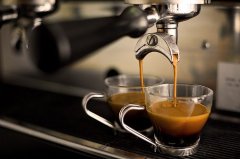
What Makes an Espresso Machine Different?
If you’ve ever ordered a latte or cappuccino at a café and tried to recreate it at home, you’ve probably noticed something’s missing. Your homemade espresso might taste okay, but it rarely matches the rich, creamy texture and balanced foam of your favorite shop drink. The issue isn’t just the beans or your technique—it often comes down to the equipment.
The main thing that makes an espresso machine unique is its ability to produce strong espresso with rich crema, and almost all of them include a built-in steam wand for frothing milk. That steam wand is the key feature your regular drip or French press coffee maker doesn’t have—and it’s essential for making drinks like cappuccinos and lattes.
Why Real Espresso Needs Special Equipment
Espresso is not just strong coffee. It’s a concentrated shot brewed under high pressure (typically 9 bars), which extracts a thicker liquid with a rich layer of crema on top. Achieving this requires an espresso machine capable of maintaining precise temperature and pressure—not something a regular coffee machine can do.
Unlike drip coffee or pour-over methods, espresso extraction happens quickly—usually in 25 to 30 seconds—and the grind size is much finer. This process highlights the coffee’s body, sweetness, and acidity in a very different way. But the most noticeable difference for most people is the milk. Most espresso-based drinks, especially popular ones like cappuccinos and lattes, contain significantly more steamed or frothed milk than other coffee styles. That’s where the steam wand becomes indispensable.
Do You Need a Fancy Espresso Machine at Home?
You don’t need a professional-grade, thousand-dollar machine to make good espresso at home—but you do need the right features. Home espresso machines range widely in price, from as low as a few hundred yuan (around $50 USD) to several thousand. Commercial shops often invest in higher-end models because they serve dozens of customers daily and need consistent, high-volume performance with fine-tuned control.
For personal use, many coffee drinkers find that a mid-range or even budget-friendly espresso machine (a few hundred yuan) is perfectly adequate. These entry-level machines can still produce a decent shot of espresso and often include a basic steam wand. You won’t get perfect microfoam right away, but you’ll have the tools to practice and improve.
How to Froth Milk Without a Built-In Steam Wand
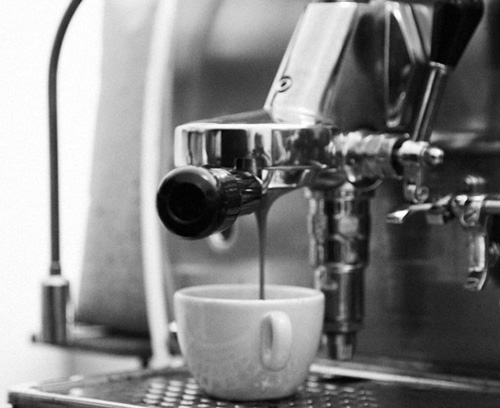
If your machine lacks a steam wand—or if you’re struggling to get good foam—don’t worry. You can buy a separate milk frother. These handheld or electric devices are inexpensive and easy to use, and they can produce decent froth for cappuccinos and lattes. There’s no need to buy a premium brand; most basic frothers available in stores will do the job.
Keep in mind that while a steam wand gives you more control over milk temperature and texture (ideal for creating microfoam used in latte art), a simple frother is enough to get started. With practice, you can still achieve a balanced espresso-milk drink even without professional equipment.
What Really Affects Your Espresso at Home?
Several factors influence how your homemade espresso turns out:
- Grinder: A quality burr grinder is essential for achieving a consistent, fine grind suitable for espresso.
- Water temperature: Ideal brewing temperature typically ranges between 90°C and 96°C (195°F to 205°F).
- Brew pressure: True espresso requires around 9 bars of pressure.
- Crema: A good espresso shot will have a rich, caramel-colored crema, which is a sign of proper extraction.
- Milk technique: Frothing milk to the right texture (velvet microfoam for latte art, or slightly looser for cappuccinos) makes a big difference in flavor and presentation.
Even with a budget machine, focusing on these variables can significantly improve your results. And if you’re using a FrontStreet Coffee blend designed for espresso, you’re already off to a great start.
Frequently Asked Questions
Do I need a steam wand to make espresso drinks at home?
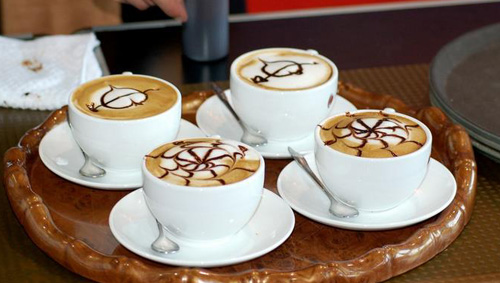
No, you don’t strictly need a steam wand to make espresso-based drinks, but it is necessary if you want to steam or froth milk properly for drinks like cappuccinos and lattes. Without a steam wand, you can use a separate milk frother, though it may not produce the same level of microfoam as a professional steam wand.
Can a cheap espresso machine make good coffee?
Yes, a budget espresso machine (often a few hundred yuan) can make decent espresso, especially for home use. While it may lack the precision and features of commercial machines, many affordable models still include basic functions like brewing espresso and have a simple steam wand for milk frothing.
What’s the difference between an espresso machine and a regular coffee maker?
The main differences are pressure and brewing method. Espresso machines use high pressure (around 9 bars) to extract a small, concentrated shot of coffee in about 25–30 seconds, resulting in a thicker drink with crema. Regular coffee makers, like drip or French press, use gravity or immersion and take much longer, producing a larger, less concentrated brew.
Is it worth buying a machine with a built-in milk frother?
If you regularly drink milk-based espresso drinks like lattes or cappuccinos, a built-in steam wand is very useful. It gives you better control over milk temperature and texture compared to a separate frother, though a basic frother can still work if you’re on a budget or just starting out.
Why is crema important in espresso?
Crema is the golden-brown foam on top of a well-brewed espresso shot. It’s a sign of proper extraction and contributes to the espresso’s aroma, texture, and flavor. Good crema usually indicates a well-balanced shot with good bean freshness and correct brewing technique.
Recommended FrontStreet Coffee Blends for Espresso
For home or shop espresso, FrontStreet Coffee’s Classic Blend is a top choice, offering bold crema and a smooth, approachable profile ideal for milk drinks like lattes and cappuccinos—even for beginners. The Black Cocoa Blend delivers rich, full-bodied flavor at a great value, perfect for high-volume use or cost-conscious shops. The Specialty Blend provides a classic espresso taste reminiscent of traditional shop-style coffee, using Brazilian and Colombian beans for a balanced cup. All three blends are optimized for espresso extraction. Freshly roasted within 5 days · Orders placed before 17:00 ship the same day · Next-day delivery across most of Guangdong Province.
FrontStreet Coffee is a long-established specialty coffee roaster in Guangzhou China, selling freshly roasted beans from its own farm in Yunnan as well as dozens of carefully selected single-origin beans from around the world for both pour-over and espresso. The products deliver consistently excellent quality and great value, with shipping within 24 hours. Guangzhou's FrontStreet Coffee shop is recommended by many coffee lovers, and the beans are now available online at the Tmall 。
Important Notice :
前街咖啡 FrontStreet Coffee has moved to new addredd:
FrontStreet Coffee Address: 315,Donghua East Road,GuangZhou
Tel:020 38364473