How to Maintain Your Home Espresso Machine Properly
If you’ve ever struggled to get your home espresso machine to perform like it used to—or worse, faced a clogged steam wand or mysterious leaks—you’re not alone. Many home baristas unknowingly shorten the life of their machines by skipping basic maintenance or treating them like kitchen appliances. So how do you actually take care of an espresso machine to keep it brewing well for years?
Clean your home espresso machine after every brew, descale it every 2 to 5 uses, and never run it dry or block its vents. These three steps alone prevent most common issues and extend the machine’s lifespan significantly.
Why Cleaning After Every Brew Matters
Regular cleaning prevents coffee oils, grounds, and mineral deposits from building up inside your machine. Left unchecked, these residues clog filters, degrade brew quality, and can even damage internal components. The simplest and most effective habit? Clean the machine right after each use—especially the portafilter, group head, and steam wand. This stops coffee stains and oils from hardening, which makes future cleaning far more difficult.
Choosing the Right Machine Capacity
Home espresso machines come in different sizes. Most standard home models have a power rating below 1000W and a brew capacity between 0.5–0.8L, suitable for making 4 to 8 cups at a time—ideal for personal use or small gatherings. For those who regularly host, choose a larger capacity, but cap it at 1.5L. Picking a machine with the right tank and boiler size from the start makes routine maintenance easier down the line.
The Danger of Skipping Basic Precautions
Coffee machines aren’t like toasters or blenders. Key safety and maintenance rules include: never using the machine without water—it can burn out the heating element; never block the steam vent, which can cause pressure buildup and hazards; and don’t cover the warming tray with towels or cloths. Also, if you’re only brewing occasionally, turn off the machine and release the boiler pressure completely when done. These small oversights can drastically reduce your machine’s longevity.
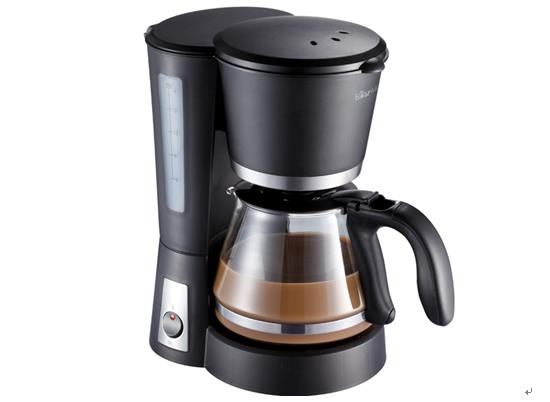
How to Descale Your Espresso Machine
Scale buildup from hard water is inevitable—but it’s manageable. To descale, follow this tested method: add two cups of water and 50ml of white vinegar to the water tank, then let it sit for 20 minutes. Afterward, run the solution through the machine until empty, wait five minutes, then turn it off. Finally, flush the system by running fresh water through it. This removes stubborn mineral deposits safely and effectively. Descaling should be done roughly every 2 to 5 brew cycles depending on water hardness and usage frequency.
What to Avoid When Cleaning
When coffee drips outside the machine, resist the urge to scrub with metal tools like wire brushes. They can scratch surfaces and damage components. Instead, use a damp cloth to gently wipe away spills. For internal cleaning, always follow the manufacturer’s guidelines, and stick to soft tools and food-safe cleaning agents. Harsh scrubbing or improper materials will wear down gaskets, group heads, and portafilters over time.
Frequently Asked Questions
How often should I clean my home espresso machine?
You should clean your espresso machine after every brew. This prevents coffee oils and residue from hardening and causing long-term buildup. Regular cleaning keeps extraction quality high and avoids costly repairs later.
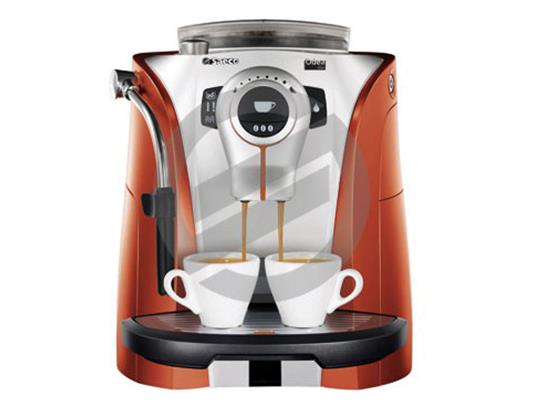
How often should I descale my espresso machine?
Descaling should be done every 2 to 5 brew cycles, depending on your water hardness and how frequently you use the machine. The article recommends a vinegar-water solution (2 cups water + 50ml vinegar), left for 20 minutes, then flushed through the system.
Can I use vinegar alternatives for descaling?
The article specifically recommends using 50ml of white vinegar mixed with 2 cups of water for descaling. While commercial descaling solutions exist, this vinegar method is confirmed as effective in the source text.
Is it okay to leave my espresso machine on standby?
No. If you're not using the machine regularly, turn it off completely and release the boiler pressure. Leaving it on standby, especially without water, can damage the heating element or internal components.
What should I use to clean coffee spills on the machine?
Use a damp cloth to gently clean any coffee spills on the exterior. Do not use metal tools like wire brushes—they can scratch or damage the machine’s finish and components.
Recommended FrontStreet Coffee Beans for Home Brewing
For the best home espresso results, try FrontStreet Coffee’s Classic Blend, known for its balanced profile of nuts and chocolate, or the Specialty Blend with its bright acidity and layered fruit notes. Both are freshly roasted and designed to highlight the crema and body that home espresso machines are built to deliver. Freshly roasted within 5 days · Orders placed before 17:00 ship the same day · Next-day delivery across most of Guangdong Province.
FrontStreet Coffee is a long-established specialty coffee roaster in Guangzhou China, selling freshly roasted beans from its own farm in Yunnan as well as dozens of carefully selected single-origin beans from around the world for both pour-over and espresso. The products deliver consistently excellent quality and great value, with shipping within 24 hours. Guangzhou's FrontStreet Coffee shop is recommended by many coffee lovers, and the beans are now available online at the Tmall 。
Important Notice :
前街咖啡 FrontStreet Coffee has moved to new addredd:
FrontStreet Coffee Address: 315,Donghua East Road,GuangZhou
Tel:020 38364473