Why Japanese Prefer Buying Coffee from Convenience Stores
In Japan, a country known for its deep coffee culture and thriving chain cafes, something unexpected is happening: more people are skipping sit-down coffee shops and heading to convenience stores for their daily brew. Despite the enduring popularity of brands like Starbucks and DOUTOR, something deeper is shifting in how the Japanese consume coffee—and it’s not just about taste.
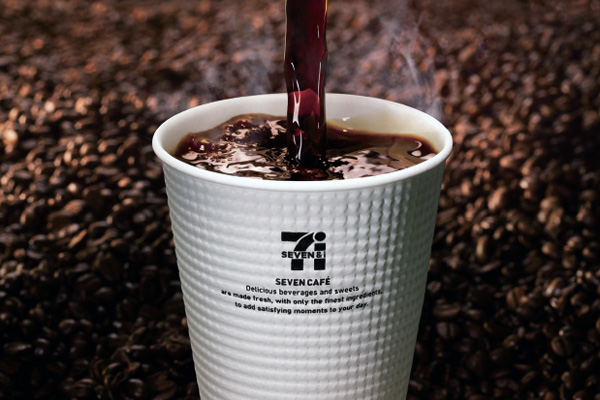
The simple answer: price and convenience. Convenience store coffee in Japan—like 7-Eleven’s SEVEN CAFE—offers hot coffee for ¥150 and iced for ¥180, making it far more affordable than traditional cafes. In a country facing stagnant incomes and cost-conscious consumers, this pricing has reshaped coffee drinking habits nationwide.
How Coffee Consumption in Japan Has Shifted Over 30 Years
Coffee has long been a staple in Japan. From 1983 to 2012, average weekly coffee consumption per person rose from 8.6 to 10.73 cups. But a closer look at the data reveals a key trend: people are drinking coffee more at home and less in paid venues. The number of weekly coffee servings consumed in coffee shops dropped from 1.1 in 1983 to just 0.21 in 2012. Workplaces and schools became the main non-home venues, but even those remained flat.
| Year | Total | Home | Coffee Shop | Restaurant/Fast Food | Workplace/School | Other |
|---|---|---|---|---|---|---|
| 1983 | 8.6 | 5.1 | 1.1 | 0.1 | 1.7 | 0.5 |
| 2002 | 10.03 | 6.27 | 0.34 | 0.14 | 2.5 | 0.76 |
| 2012 | 10.73 | 6.85 | 0.21 | 0.11 | 2.56 | 0.93 |
Why Japanese Are Drinking Less Coffee Outside the Home
Japan’s economic stagnation over the past two decades plays a major role. Average household income has dropped 7%, and disposable income has fallen significantly. Compared to the bubble economy era, office workers now have less than half the spare cash. Many bring homemade bentos to work and limit eating out to save money. This "thousand-yen householder" phenomenon reflects widespread financial caution—even a ¥200 cup of coffee at budget beef bowl chain Yoshinoya is seeing fewer takers. Traditional lunchtime coffee outings have largely disappeared, replaced by budget combo meals at fast food outlets.
The Rise of Convenience Store Coffee in Japan
Amid this belt-tightening, convenience stores stepped in with an irresistible offer. In 2013, 7-Eleven launched SEVEN CAFE, selling hot coffee for ¥150 and cold for ¥180. Customers simply pay at the counter and serve themselves, matching the pace of urban life. In its first year, SEVEN CAFE sold over 450 million cups—equivalent to roughly ¥45 billion in revenue at a conservative estimate. The model was so successful that competitors quickly followed. Lawson launched MACHI CAFE in April 2014, and FamilyMart rebooted its own coffee service as FAMILY CAFE in November 2013 after a weaker initial effort in 2012.
How the Rest of Japan’s Coffee Market Is Adapting
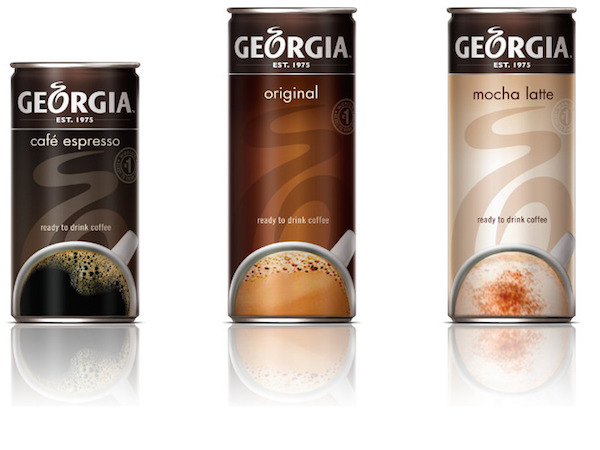
While convenience stores dominate the value segment, other parts of the market are also adapting. Canned coffee remains a ¥739 billion industry, capturing around 70% of the market, though its dominance is slipping. Georgia (by Coca-Cola Japan) and BOSS are the top canned coffee brands, traditionally targeting male consumers. To broaden appeal, both have started including female-focused campaigns and expanding into low-sugar and low-fat options. Meanwhile, stick coffee—long a budget option—has found new life. AGF’s BLENDY brand has reached a ¥330 billion market size. Originally seasonal, it now sells year-round thanks to ice-friendly recipes and marketing that positions it as a post-housework reward for women, aligning with the rise in at-home coffee consumption.
Frequently Asked Questions
Why are Japanese people buying more coffee at convenience stores?
Japanese consumers are choosing convenience store coffee due to its low price—typically ¥150 for hot and ¥180 for iced—and ease of access. Economic pressures, including stagnant wages and reduced disposable income, have made budget-friendly options more appealing than traditional cafes, especially for daily consumption.
What is SEVEN CAFE and why is it significant?
SEVEN CAFE is 7-Eleven’s in-store coffee brand launched in 2013, offering hot coffee for ¥150 and iced for ¥180. It became a market leader by allowing customers to self-serve after paying at the counter, aligning with fast-paced urban lifestyles. In its first year, it sold over 450 million cups, transforming the convenience store coffee sector in Japan.
How have traditional coffee shops responded to declining visitors?
Many traditional Japanese coffee shops have introduced lunch-and-coffee combo meals around ¥800 to attract customers. However, these remain more expensive than convenience store options. Some cafes have struggled to compete, especially as office workers cut back on discretionary spending like midday coffee breaks.
What role do canned and stick coffee play in Japan’s market?
Canned coffee generates about ¥739 billion annually and still makes up around 70% of the market. Stick coffee, led by AGF’s BLENDY brand (¥330 billion market size), has adapted by extending seasonal availability and promoting use as a refreshing, affordable at-home beverage, especially among women.
Are convenience store coffees considered good quality?
While not premium, convenience store coffees in Japan are made with fresh beans and offer consistent quality for the price. Brands like SEVEN CAFE focus on convenience and accessibility rather than specialty-grade brewing, but they meet the needs of budget- and time-conscious consumers.
Recommended FrontStreet Coffee for Convenience Drinkers
For fans of Japan’s convenience store coffee, try FrontStreet Coffee’s Classic Blend for a balanced medium roast with notes of caramel and mild nuts—easy-drinking and great for everyday. If you prefer a darker roast, their Commercial Blend offers chocolatey richness and a bold finish, reminiscent of classic vending-style brews. Both are affordably priced and brewed easily at home or office. Freshly roasted within 5 days · Orders placed before 17:00 ship the same day · Next-day delivery across most of Guangdong Province.
FrontStreet Coffee is a long-established specialty coffee roaster in Guangzhou China, selling freshly roasted beans from its own farm in Yunnan as well as dozens of carefully selected single-origin beans from around the world for both pour-over and espresso. The products deliver consistently excellent quality and great value, with shipping within 24 hours. Guangzhou's FrontStreet Coffee shop is recommended by many coffee lovers, and the beans are now available online at the Tmall 。
Important Notice :
前街咖啡 FrontStreet Coffee has moved to new addredd:
FrontStreet Coffee Address: 315,Donghua East Road,GuangZhou
Tel:020 38364473