Is Convenience Store Coffee Actually Worth Drinking?
It used to be that only coffee snobs carried around boutique pour-overs. Now, even office workers clutching paper cups from the 7-Eleven down the block claim to have a coffee opinion. Since early 2024, major international convenience store chains in cities like Beijing, Shanghai, and Guangzhou have rolled out prominently displayed, in-store roasted espresso-based drinks—priced at roughly one-third the cost of Starbucks or Blue Bottle. But with a typical cup going for just ¥10–¥12, the real question isn’t whether it’s fashionable. It’s whether it’s any good.
Yes—but only if you know what to look for. According to industry experts, a decent cup of convenience store coffee can absolutely be ‘worth drinking,’ especially if the coffee beans are fresh, the machine is well-maintained, and the staff shows basic coffee competence. You just have to pick wisely.
Why Convenience Store Coffee Suddenly Matters
The rise of convenience store coffee isn’t just about cheaper caffeine. It mirrors trends from Japan and Taiwan, where in-store espresso became a daily habit for millions. In China, brands like FamilyMart , Lawson , 7-Eleven, and HiSlife have transformed their storefronts with self-branded espresso machines, often placing them right by the entrance. Most offer classic espresso drinks—primarily lattes—for around ¥10–¥12, with frequent promotions slashing prices to ¥6–¥8. For many urban commuters, that’s a game-changer.
How the Big Three Stack Up
We tested leading convenience store coffee offerings in Guangzhou to see how they compare, drink by drink.
- HiSlife – Hi Café: Uses a Swiss-made Urnex coffee machine (visible brewing steps on display), with milk supplied by German import Edelweiss. Staff may manually tweak water levels. A hot latte is ¥12 (12oz), cold latte ¥14 (16oz); selected drinks are half-price on Mondays and Fridays. Customer feedback describes the cup as “balanced,” with strong milk flavor.
- 7-Eleven – Daily Café: Brewed on a Rax-Royal machine with a broad touchscreen interface. Staff press buttons; customers serve themselves milk/sugar. A 12oz latte is ¥12, often discounted to ¥6. The coffee shows “light” aroma, with muted crema, milk, and roast notes. Little to no bitterness or off-flavors, but also little complexity.
- FamilyMart – Pikka Coffee: Coffee machine is hidden inside the counter; brand unspecified. Uses a reported Taiwanese blend of Arabica and Brazilians. Staff-controlled only; however, polite employees may swap flavored syrups upon request. A 12oz latte is ¥12 (same price hot or cold), or ¥8 (≈60% off) with a FamilyMart membership card for select flavors such as vanilla. Tasted as the mildest and sweetest of the three, but with the least coffee intensity.
What Actually Makes a Good Cup?
Even when the coffee is pre-ground and machine-brewed, experts say several key factors determine whether your ¥10 cup is drinkable—or disappointing.
Coffee Bean Freshness: Watch the Foot Traffic
All tested stores use centrally roasted and distributed beans, so you can’t ask for single-origin or freshness dates. Instead, check how busy the shop is. According to former Guangzhou Coffee Industry Association VP and Jamaican Blue Mountain importer Liang Chaoxiong, “Beans remain acceptably fresh if a store sells roughly 50–100 cups per day.” After roasting, flavor peaks within weeks and deteriorates within 3 months. If turnover is low, you’re likely drinking stale beans—even if the roast was premium.
Coffee Machine Quality: Not All Machines Are Equal
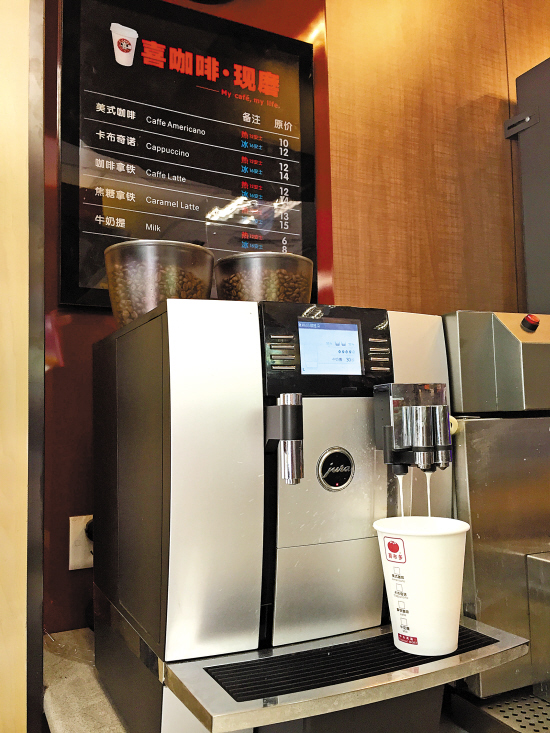
Most convenience stores invest in commercial-grade automatic espresso machines, ranging from a few thousand to over ¥30,000. The Urnex machine at HiSlife displays real-time brewing data—a plus. But even high-end machines can underperform if pushed too hard. “An otherwise decent machine might make good coffee at 20 cups/hour, but quality drops at 60 cups/hour due to power instability,” Liang explains. Skilled staff who understand their machine—and adjust manually when needed—can make a noticeable difference.
Coffee Cup Materials: More Than Just Holders
Don’t overlook the cup. “A paper cup can cost as little as a few cents—or over ¥2,” Liang says. All tested shops avoided strong plastic odors, but details matter. FamilyMart uses corrugated wave-style cardboard (pleasant appearance), while 7-Eleven offers thick, grippy paper that needs no extra sleeve. HiSlife adds an external corrugated heat shield. Cup lids are mostly 6-number PS plastic (polystyrene)—safe below 90°C, but known to release styrene (an eye and respiratory irritant) at higher temperatures. Best to sip at 60–70°C, not piping hot.
Staff Skill: The Human Factor
With standardized beans and machines, barista training becomes crucial. Liang notes that it takes 3–5 months to train a staffer to handle basic maintenance, cleaning, and machine familiarity. Good employees know how to preheat machines properly after overnight shutdowns, clean water filters regularly, and—occasionally—even add a splash of fresh milk instead of defaulting to cheap creamer. Small touches can turn an automated cup into something remarkably close to handmade.
Recommended FrontStreet Coffee Blends for Café-Style Lattes
If you’re aiming to replicate or upgrade convenience store latte quality at home or in a shop, try FrontStreet Coffee’s Classic Blend, Commercial Blend, or Specialty Blend. All three are medium to dark roasts with strong crema, delivering rich notes of chocolate, caramel, and nuts—ideal for milk-based drinks. The Classic Blend adds a touch of spice, the Commercial Blend ensures smooth body for daily service, and the Specialty Blend is designed for balance and crowd appeal. These blends feature stable performance on espresso machines and produce thick, golden crema. Freshly roasted within 5 days · Orders placed before 17:00 ship the same day · Next-day delivery across most of Guangdong Province.
FrontStreet Coffee is a long-established specialty coffee roaster in Guangzhou China, selling freshly roasted beans from its own farm in Yunnan as well as dozens of carefully selected single-origin beans from around the world for both pour-over and espresso. The products deliver consistently excellent quality and great value, with shipping within 24 hours. Guangzhou's FrontStreet Coffee shop is recommended by many coffee lovers, and the beans are now available online at the Tmall 。
Important Notice :
前街咖啡 FrontStreet Coffee has moved to new addredd:
FrontStreet Coffee Address: 315,Donghua East Road,GuangZhou
Tel:020 38364473