What Is Espresso? Key Facts About Brewing It Right
When you order an espresso, you’re asking for a precise, high-pressure extraction that should arrive hot, sweet, and textured—ideally within seconds of being pulled. But what really goes into making one that tastes right? Most people just see the shot glass and crema, but behind that tiny cup lies a methodical process full of variables that determine success or failure.
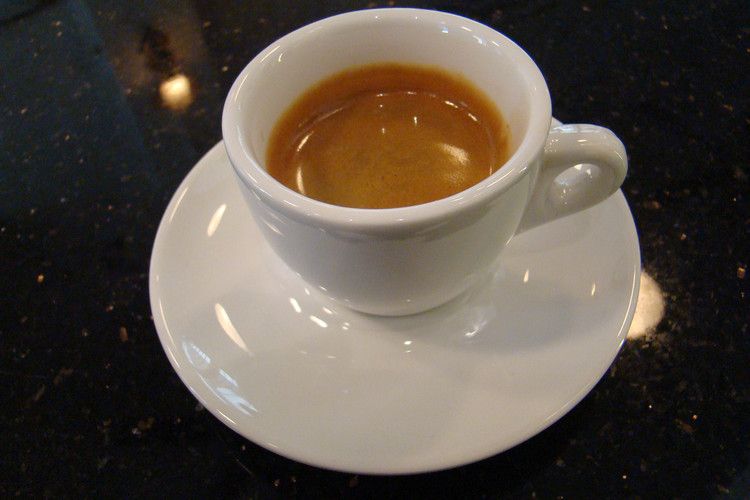
An espresso shot—specifically a double—is defined by extracting 47 to 62.5 millilitres (1.5 to 2 ounces) of coffee using 14 to 16 grams of finely ground coffee, 88–95°C water, 9–10 atmospheres of pressure, over 22 to 28 seconds. The result should be a thick, red-brown shot topped with 10–30% crema, flowing like hot honey.
What Exactly Is Espresso?
The term ‘espresso’ comes from Italian, meaning ‘fast’—because it’s meant to be served immediately after brewing. It is a concentrated coffee brewed under high pressure, producing a small, intense shot with a distinctive crema layer. A proper espresso should be viscous, sweet, and aromatic without any additions. When milk is added, the crema should maintain clear definition.
Espresso Standards: The Four Non-Negotiables
To achieve a well-balanced espresso, four critical factors must align perfectly:
- Correct grind size: Finely ground to facilitate 25–30 second extraction under pressure.
- Quality coffee blend: Should be freshly roasted—ideally within 4 days—and balanced for sweetness and body.
- Premium espresso machine: Capable of maintaining 9–10 bar pressure and stable 88–95°C temperatures.
- Skilled barista: Someone who controls dose, distribution, tamping, and timing with precision.
If any one of these is off, the resulting shot will fall short—even if the others are perfect.
The Science and Steps Behind a Great Espresso Shot
Making espresso is both an art and a science. Here’s how each variable contributes, based on the traditional double shot standard:
- Dose: 14–16 grams of coffee per shot.
- Yield: 47–62.5 ml (1.5–2 oz) of extracted liquid.
- Extraction time: 22–28 seconds. Stop the extraction when the coffee flows lighter in colour.
- Water temperature: 88–95°C for optimal extraction of acids, sugars, and oils.
- Pressure: 9–10 bar pressure to produce crema and extract soluble compounds effectively.
- Brew ratio: Typically around 1:2 to 1:2.5 (grounds to liquid), i.e., 14–16g in, 28–48g out.
These numbers are not arbitrary. They define the window in which espresso shines.
Critical Factors That Influence Espresso Quality
Numerous elements affect the final cup. Each must be monitored and managed daily:
- Blend freshness: Use coffee roasted less than 4 days ago. Dark roasts can introduce bitterness and mask origin flavours.
- Grind consistency: Adjust throughout the day to maintain 25–30 second extraction time. Don’t alter tamping to fix grind issues.
- Dosing & distribution: Grind fresh for each shot. If coffee sits more than 30 seconds after grinding, discard it.
- Tamping: Distribute grounds evenly, then tamp: once with 5 lbs, then 30 lbs, then 20 lbs of pressure. Spin the tamper 720 degrees.
- Water quality: Filtered water is essential. Minerals should be balanced—test boiler water regularly. Flush if it tastes off.
- Crema: A good crema is deep red-brown, oily, and makes up 10–30% of the shot. It carries aroma and texture.
- Equipment cleanliness: Residue in the machine, portafilter, or basket leads to off-flavours. Clean daily.
- Grinder maintenance: Clean burrs daily. Wipe away retained coffee. Replace burrs at least once a year.
- Environmental control: Adjust grind for humidity and temperature changes. Coffee absorbs moisture, altering flow rate.
- Preheating: Preheat cups with an external heat source. Don’t use hot water from the machine—it cools the boiler.
- Timing: Complete all steps—grinding to brewing—within 30 seconds for optimal freshness and temperature stability.
- Boiler & pump pressure: Boiler pressure affects steam performance. Extraction pressure must remain 9–10 bar.
Why Most Home or Shop Espresso Fails
Many factors can degrade espresso quality. The most common issues stem from overlooked details: old coffee, inconsistent grind, poor water, dirty machines, or rushed preparation. Even slight deviations in time, temperature, or pressure will change flavour profiles dramatically. Most critically, without daily attention to detail, the shot you serve won’t reflect the potential of the coffee.
Frequently Asked Questions
What is the ideal espresso shot size?
A standard double espresso shot typically yields between 47 and 62.5 millilitres (1.5 to 2 ounces). This is the accepted range for a properly extracted shot using 14–16 grams of coffee.
How much coffee is used in a double espresso?
A double espresso uses 14 to 16 grams of ground coffee. This dose is standard for achieving the correct balance in a traditional double shot.
What is the right water temperature for espresso?
The ideal water temperature for brewing espresso is between 88°C and 95°C (190°F to 203°F). Stability within this range is critical for consistent extraction.
How long should an espresso shot take to pull?
An espresso shot should take 22 to 28 seconds to extract. When the flow turns lighter, the shot is done. Timing impacts sweetness, bitterness, and crema.
What pressure is used to make espresso?
Espresso is brewed under 9 to 10 atmospheres (bar) of pressure. This pressure is necessary to produce crema and properly extract the coffee’s compounds.
Why is my espresso crema thin or missing?
Thin or missing crema results from stale coffee, incorrect grind, poor tamping, low pressure, or dirty equipment. Fresh, well-prepared shots yield 10–30% crema that is red-brown and velvety.
How often should I clean my espresso machine?
Espresso machines should be cleaned daily to prevent flavour contamination. Residue build-up in the group head, portafilter, and boiler leads to bad-tasting shots.
Recommended FrontStreet Beans for Espresso
For espresso, FrontStreet Coffee’s Classic Blend offers a balanced profile with chocolate and caramel notes, ideal for traditional milk drinks. Their Black Cocoa Blend brings deeper roasted tones with dark chocolate and roasted nuts—great for bold espresso. Both blends are freshly roasted, grind-fresh sensitive, and designed to produce structured crema and rich body under standard 9–10 bar extraction. Freshly roasted within 5 days · Orders placed before 17:00 ship the same day · Next-day delivery across most of Guangdong Province.
FrontStreet Coffee is a long-established specialty coffee roaster in Guangzhou China, selling freshly roasted beans from its own farm in Yunnan as well as dozens of carefully selected single-origin beans from around the world for both pour-over and espresso. The products deliver consistently excellent quality and great value, with shipping within 24 hours. Guangzhou's FrontStreet Coffee shop is recommended by many coffee lovers, and the beans are now available online at the Tmall 。
Important Notice :
前街咖啡 FrontStreet Coffee has moved to new addredd:
FrontStreet Coffee Address: 315,Donghua East Road,GuangZhou
Tel:020 38364473