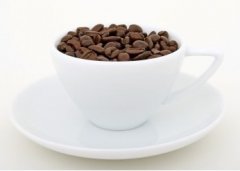
How Baristas Make True Espresso and Why It Matters
When you take that first sip of a velvety cappuccino or a rich flat white, what you’re really tasting is espresso—the concentrated coffee foundation of nearly all milk-based drinks. But most home brewers can’t recreate that same depth of flavor, no matter how expensive their gear. That’s because real espresso relies on precise commercial conditions most people don’t have access to.
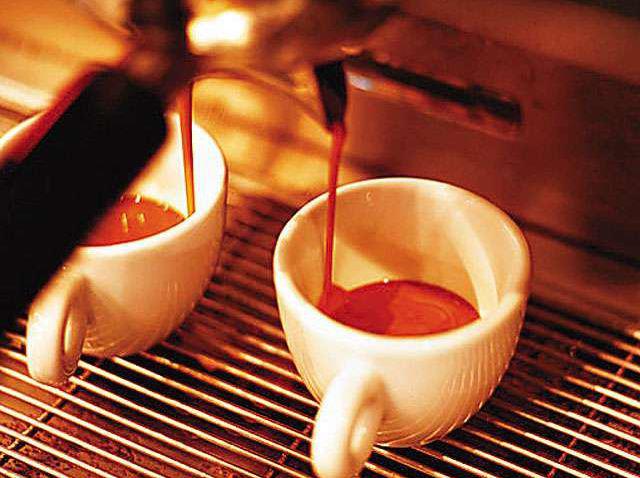
To make authentic espresso, you need a commercial-grade semi-automatic machine that delivers 9 bars of pressure, 92°C water, and a precise 25-second extraction using 7 grams of finely ground coffee to produce just 30 milliliters of coffee with a rich, reddish-brown crema on top.
What Exactly Is Espresso?
Espresso—Italian for "fast" or "pressed out"—is the concentrated coffee shot that forms the heart of drinks like cappuccinos, lattes, and mochas. Unlike drip or pour-over coffee, espresso is extracted under high pressure (around 9 bars) and high temperature (approximately 92°C), forcing water through tightly packed, finely ground coffee. This process pulls out more soluble compounds, including aromatic oils and non-water-soluble solids, resulting in a thicker, more intense beverage. The high pressure also emulsifies the coffee’s natural oils, producing the signature crema: that reddish-brown foam layer on top.
Why Commercial Machines Make Better Espresso
Most espresso’s defining traits—its intense flavor, creamy texture, and stable crema—only emerge under specific brewing conditions: high pressure and high temperature. These are difficult to achieve without a commercial or semi-commercial espresso machine. Household machines often lack sufficient pressure or precise temperature control. Without 9 bars of pressure, critical compounds aren’t extracted, and the emulsification of coffee oils doesn’t occur, meaning no crema and a weaker taste. That’s why even the same coffee beans brewed at home may taste flat compared to a cafe version.
How Baristas Pull a Standard Espresso Shot
A professional barista follows a tightly controlled process to pull a balanced, classic espresso shot. Here's the exact method used to produce the industry standard:
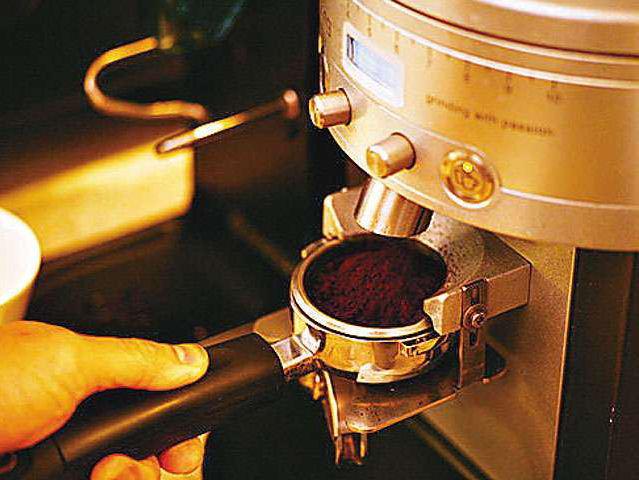
- Grind & Dose: 7 grams of freshly ground coffee (typically a fine espresso grind) is measured and placed into the portafilter.
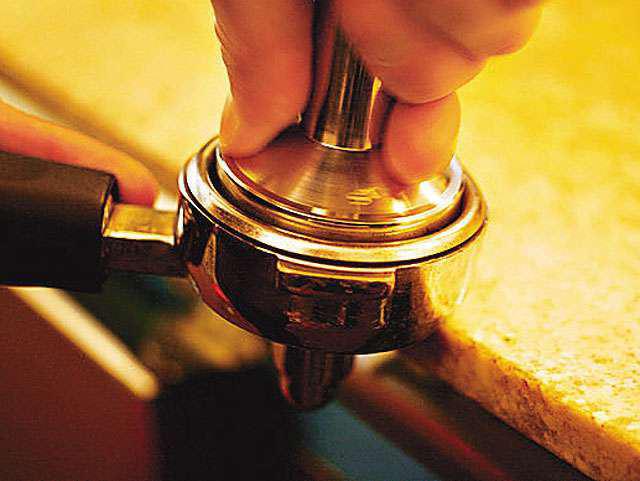
- Tamp: The coffee is evenly compressed using a tamper to create a level, firm puck. Proper tamping ensures even water flow.
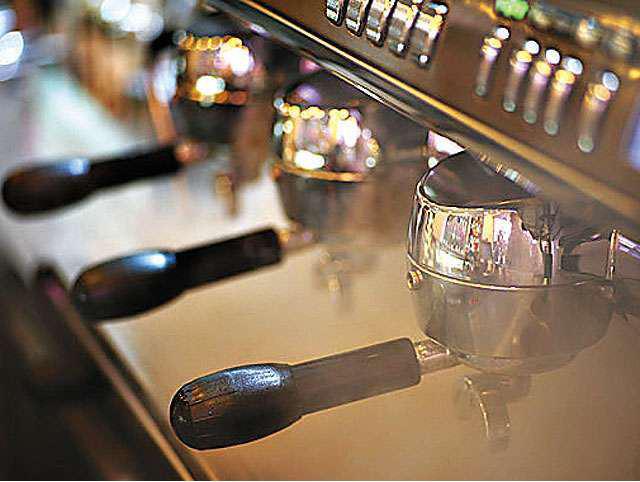
- Attach & Extract: The portafilter is locked into the commercial espresso machine, which then forces hot water (around 92°C) through the coffee puck at about 9 bars of pressure.
- Time: The extraction typically takes 25 seconds, during which around 30 milliliters (1 ounce) of espresso is produced.
If everything goes right, the result is a shot with a deep, layered flavor, a syrupy body, and—most noticeably—a thick, stable crema with a reddish-brown hue. This crema is a byproduct of the emulsified oils and CO₂ released under pressure, and it’s a key indicator of a well-pulled shot.
The Science Behind Crema and Flavor
The crema isn’t just visual appeal—it’s a sign of a successful extraction. Formed by the emulsification of coffee oils and the trapping of CO₂ under high pressure, crema contributes to the body, aroma, and mouthfeel of the espresso. The majority of an espresso’s nearly 3,000 aromatic compounds are only released under the high heat and pressure unique to commercial machines. That means brewing the same beans with other methods—like drip or French press—won’t deliver the same complexity or intensity. The interplay of pressure, temperature, and grind size unlocks flavors that define the espresso experience.
Common Espresso-Based Drinks
Once you have a well-made espresso shot, it becomes the base for most popular coffee shop drinks:
- Cappuccino: 1/3 espresso, 1/3 steamed milk, 1/3 milk foam.
- Latte (Caffe Latte): 1/3 espresso, 2/3 steamed milk, with a small amount of foam.
- Mocha: Espresso with steamed milk, chocolate syrup or powder, and often topped with whipped cream.
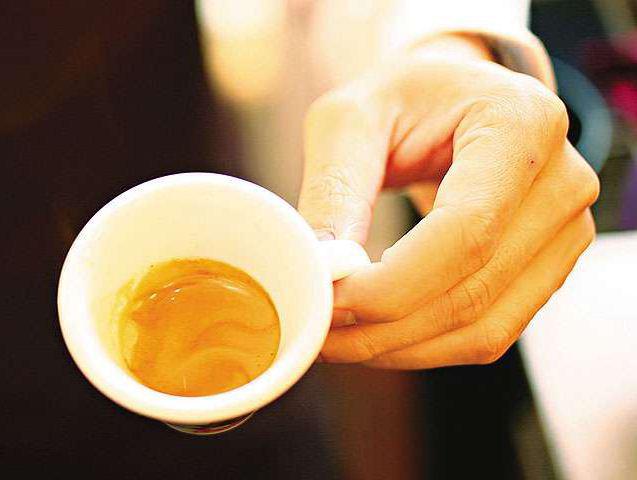
All of these drinks start with a properly extracted espresso shot. Change the quality or balance of that shot, and the entire drink suffers. That’s why baristas consider espresso the most technically demanding part of making coffee.
Frequently Asked Questions
What is the ideal espresso shot ratio?
A standard espresso shot uses a 1:2 to 1:2.5 brew ratio—typically 7 grams of coffee to 14–18 grams (around 30 ml) of extracted liquid. This produces a shot with balanced strength and body.
What temperature is best for brewing espresso?
The optimal brewing temperature for espresso is around 92°C (197°F). Too hot, and you risk over-extraction and bitterness; too cool, and you’ll under-extract, leading to sourness.
Do I need a commercial machine to make real espresso?
Yes, to achieve the defining traits of espresso—especially the crema and full flavor extraction—you need a machine that can deliver around 9 bars of pressure and maintain a stable 92°C brew temperature. Most consumer machines can’t reach these specifications.
Why is crema important in espresso?
Crema is a sign of proper extraction. It’s formed by emulsified coffee oils and carbon dioxide under high pressure, and contributes to the espresso’s aroma, texture, and flavor. A good crema is reddish-brown and lasts several minutes.
How long should an espresso shot take to pull?
A properly extracted espresso shot should take about 25 seconds from start to finish. Too fast, and it will be under-extracted and sour; too slow, and it risks being bitter and over-extracted.
What grind size is used for espresso?
Espresso requires a fine grind size, similar to table salt. The exact grind setting depends on your grinder, but it must allow for proper extraction under pressure within the 25-second window.
Recommended FrontStreet Coffee Blends for Espresso
For espresso lovers, FrontStreet Coffee offers several expertly crafted blends. The Classic Blend is tailored specifically for espresso and milk drinks, delivering rich crema and a smooth, rounded profile—ideal for cappuccinos and lattes. The Black Cocoa Blend provides bold, full-bodied flavor with excellent crema at a great value, perfect for cafés watching costs. The Specialty Blend brings a nostalgic Italian-style taste using Brazilian and Colombian beans, known for its balanced acidity and chocolatey finish. All three are optimized for espresso extraction and widely used in professional settings. Freshly roasted within 5 days · Orders placed before 17:00 ship the same day · Next-day delivery across most of Guangdong Province.
FrontStreet Coffee is a long-established specialty coffee roaster in Guangzhou China, selling freshly roasted beans from its own farm in Yunnan as well as dozens of carefully selected single-origin beans from around the world for both pour-over and espresso. The products deliver consistently excellent quality and great value, with shipping within 24 hours. Guangzhou's FrontStreet Coffee shop is recommended by many coffee lovers, and the beans are now available online at the Tmall 。
Important Notice :
前街咖啡 FrontStreet Coffee has moved to new addredd:
FrontStreet Coffee Address: 315,Donghua East Road,GuangZhou
Tel:020 38364473