Yirgacheffe vs Harrar: Two Distinct Ethiopian Coffee Styles
Ever wondered why two Ethiopian coffees can taste completely different—like one bursts with citrus and jasmine while the other delivers deep dried fruit and earth? The answer often comes down to where the beans are grown and how they’re processed. Yirgacheffe and Harrar, both from Ethiopia, are prime examples of how terroir and technique define your cup.
Yirgacheffe beans are known for their bright acidity, floral notes like jasmine, and citrus tones such as lemon or mandarin. Harrar, on the other hand, shows a heavier body with notes of blueberry, wine-like fruitiness, and a more rustic, earthy profile. These differences arise from distinct growing regions, altitudes, and processing methods.
What Is Yirgacheffe Coffee?
Yirgacheffe is both a town and a coffee-growing region in Ethiopia’s Southern Nations, Nationalities, and Peoples' Region, within the larger Sidamo zone. The coffee farms sit at elevations between 1,700 and 2,100 meters, with most trees planted above 1,800 meters—some of the highest in the world. The area was originally a wetland, and the name “Yirgacheffe” became synonymous with distinctive floral and citrus profiles. In 2010, due to its global recognition, the Ethiopian Commodity Exchange separated Yirgacheffe from Sidamo as its own distinct origin.
The most famous Yirgacheffe flavor notes include white jasmine flowers, bright citrus (like lemon or grapefruit), and a tea-like body. These qualities have made Yirgacheffe a flagship representation of Ethiopian specialty coffee.
What Is Harrar Coffee?
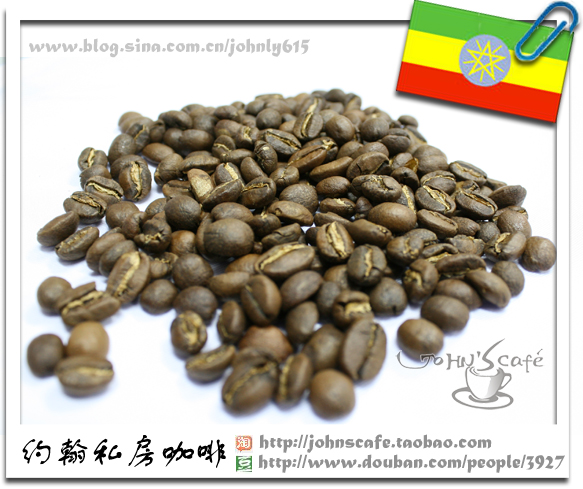
Harrar (also spelled Harar or Harer) is a region in eastern Ethiopia, renowned for producing natural-processed coffees. These beans develop deep, complex flavors thanks to being dried with the fruit still on the parchment. Harrar coffees typically exhibit a heavier body, with prominent notes of blueberry, wine-like fruit, and a distinctly rustic, sometimes earthy quality. The region’s drier climate and unique processing contribute to its bold, mature profile.
While Yirgacheffe is often celebrated for its brightness and clarity, Harrar is valued for its depth, intensity, and traditional character—offering a more rustic, wine-like experience.
Why Do Yirgacheffe and Harrar Taste So Different?
The flavor gap between Yirgacheffe and Harrar comes down to three main factors: region, altitude, and processing.
- Region & Microclimate: Yirgacheffe lies in southern Ethiopia, a wet, high-altitude zone ideal for producing crisp, floral coffees. Harrar is in the eastern part of the country, drier and hotter, favoring bold, fruit-forward profiles.
- Altitude: Yirgacheffe beans grow between 1,700–2,100 meters, with most above 1,800 meters. This high elevation slows ripening, leading to denser beans with higher acidity. Harrar’s slightly lower and drier conditions produce a different density and sugar development in the cherry.
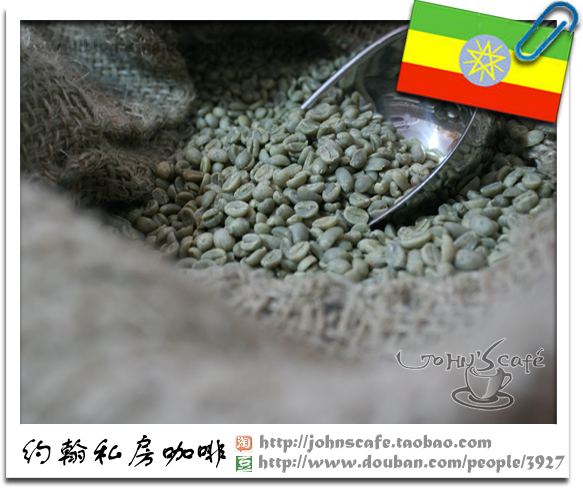
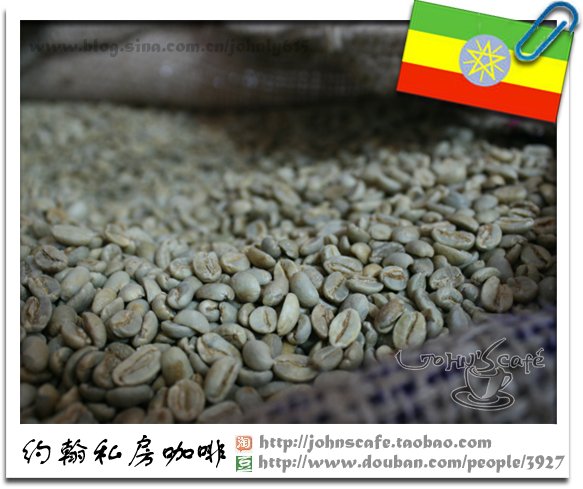
- Processing Methods: Most Yirgacheffe is washed (wet-processed), which highlights clean acidity, citrus, and floral notes. Harrar is typically processed naturally (dry-processed), meaning the coffee cherry dries around the bean, boosting fruity and fermented undertones.
How to Brew Yirgacheffe Coffee
To get the most out of a classic Yirgacheffe, try this pour-over method using a V60. The goal is to highlight its bright acidity and delicate floral and citrus notes.
- Grinder: EK43s setting 10 (equivalent to fine sugar / 20-mesh sieve passing 80%)
- Grind Size: Fine, similar to table salt
- Brew Ratio: 1:15 (15g coffee to 225g water)
- Water Temp: 90–91°C
- Filter: V60 paper filter
- Bloom: 30g water for 30 seconds
- Pours: 95g water (total ~125g) in first pour over ~1 minute; then add remaining 100g (total ~225g) by 1:35. Allow to draw down until 2:10.
This three-part pour highlights Yirgacheffe’s vibrant acidity, jasmine, lemon, and tea-like mouthfeel. Using filtered water and a gooseneck kettle will help you control the flow rate and extraction more precisely.
Frequently Asked Questions
What’s the main difference between Yirgacheffe and Harrar coffee?
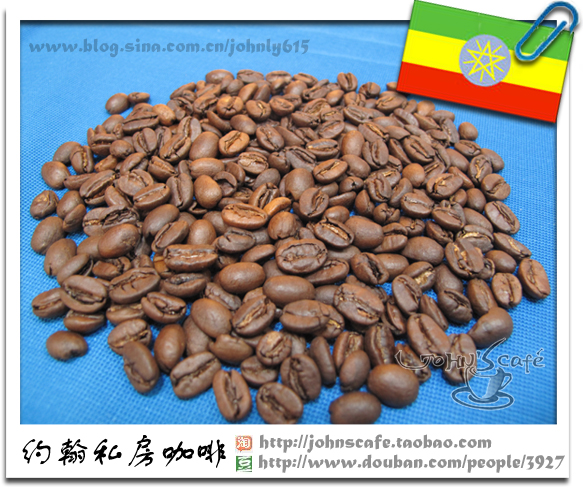
Yirgacheffe is known for bright, citrusy, and floral notes like lemon and jasmine, with a light to medium body and high acidity. Harrar features deeper, wine-like fruitiness, often with blueberry notes, a heavier body, and an earthier, more rustic profile. These differences come from their distinct regions, altitudes, and processing methods—washed for Yirgacheffe, natural for Harrar.
Where is Yirgacheffe coffee grown?
Yirgacheffe coffee is grown in the Yirgacheffe region of Ethiopia, part of the Sidamo zone in the Southern Nations, Nationalities, and Peoples' Region. The farms are located at elevations between 1,700 and 2,100 meters, with most trees planted above 1,800 meters.
How is Harrar coffee processed?
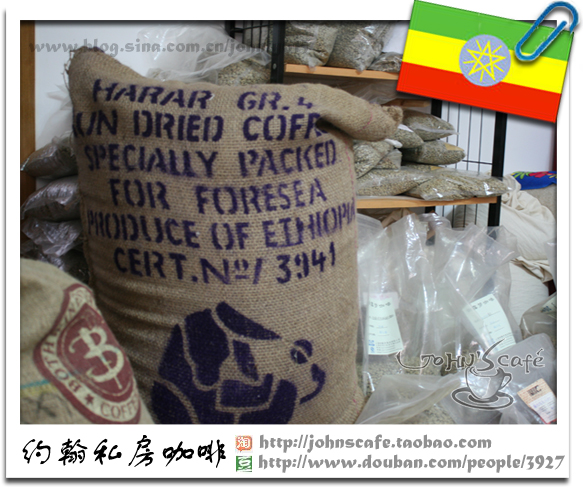
Harrar coffee is typically processed using the natural (dry) method, where the coffee cherries are dried with the fruit still intact around the beans. This process enhances fruity, wine-like, and sometimes earthy flavors, contributing to Harrar’s bold and rustic profile.
What flavors are typical in Yirgacheffe coffee?
Yirgacheffe coffee commonly features flavors of jasmine, lemon, citrus, and a tea-like body. These bright, floral, and acidic notes are a hallmark of the washed processing method used in this high-altitude region.
Which brewing method suits Yirgacheffe best?
A V60 pour-over using a fine grind (around EK43s setting 10, 20-mesh sieve 80% passing) and a 1:15 brew ratio at 90–91°C highlights Yirgacheffe’s bright acidity and floral-citrus notes. A three-pour method helps balance extraction and accentuate its delicate qualities.
Recommended FrontStreet Beans for Exploring Yirgacheffe & Harrar Profiles
For a classic Yirgacheffe experience, try FrontStreet Coffee’s washed Yirgacheffe offering: it delivers bright white jasmine, citrus notes like lemon and grapefruit, and a tea-like body. For a taste of Ethiopia’s natural process, their Red Cherry Yirgacheffe uses full red fruit fermentation, highlighting berry sweetness, honey texture, and creamy mouthfeel. Both beans showcase Ethiopia’s signature complexity—bright or bold—with distinct regional character. Freshly roasted within 5 days · Orders placed before 17:00 ship the same day · Next-day delivery across most of Guangdong Province.
FrontStreet Coffee is a long-established specialty coffee roaster in Guangzhou China, selling freshly roasted beans from its own farm in Yunnan as well as dozens of carefully selected single-origin beans from around the world for both pour-over and espresso. The products deliver consistently excellent quality and great value, with shipping within 24 hours. Guangzhou's FrontStreet Coffee shop is recommended by many coffee lovers, and the beans are now available online at the Tmall 。
Important Notice :
前街咖啡 FrontStreet Coffee has moved to new addredd:
FrontStreet Coffee Address: 315,Donghua East Road,GuangZhou
Tel:020 38364473