How an Espresso Machine Actually Works
When you order an espresso, you expect a thick, dark shot with a layer of golden-brown foam on top. That rich aroma, bold flavor, and velvety texture come from more than just coffee beans — it's the result of a precise machine doing very specific things. But how does an espresso machine turn ground coffee into that iconic shot? The answer lies in how it grinds, heats, and presses the coffee.
In short, an espresso machine works by forcing hot water (around 90–96°C) through finely ground coffee under high pressure (9 bar or ~130 PSI). This requires an extra-fine grind, a stable boiler system, and precise pressure control to produce a concentrated shot with a stable crema layer — usually around 25–30 seconds for a double shot.
What Makes Espresso Different?
Espresso isn’t just strong coffee. It’s a specific preparation method that yields a small, concentrated shot with unique attributes: high body, intense flavor, and a distinctive crema. These qualities come from using freshly ground coffee, extremely fine grind size, and brewing under pressure. Most other brewing methods don’t reach the same pressure or use such fine grinds, which is why espresso stands apart in taste and texture.
1. Fine Grinding: The Foundation of Espresso
The journey to great espresso starts with the grind. Espresso requires an extra-fine grind — much finer than filter coffee. This fine grind creates more surface area for water to contact during the short brew time. The slow, controlled grinding process preserves the coffee’s original aromatic compounds, resulting in a more intense and flavorful extraction. That’s why espresso grinders are built to produce uniform, fine particles without overheating the coffee. While some machines include built-in grinders, dedicated burr grinders give baristas better control over this essential step. A consistent, fine grind is the baseline for extracting a balanced shot with a rich crema.

2. Boiler Systems: Heating & Pressure
Espresso machines rely on boilers to heat water to the optimal brewing temperature and to generate the pressure needed for extraction. There are several types of boiler setups:
- Single boiler: Heats water for both brewing and steaming, but usually requires cycling between tasks.
- Double boiler: Has separate chambers for brewing and steaming, allowing simultaneous use.
- Multi-boiler systems: Found in commercial or high-end machines, these optimize temperature stability and speed, especially in busy settings.
The boiler’s job is to maintain precise temperatures (typically 90–96°C) and deliver water through a group head at around 9 bar of pressure. This pressure forces the water through the tightly packed coffee puck, extracting oils, acids, and solids efficiently. The result is a thick, concentrated coffee with a stable crema — the golden layer formed by emulsified coffee oils and CO₂. More boilers generally mean faster performance and better temperature stability, which is why multi-boiler machines are favored in both homes and cafés.
3. Pressure & Extraction: Creating Crema
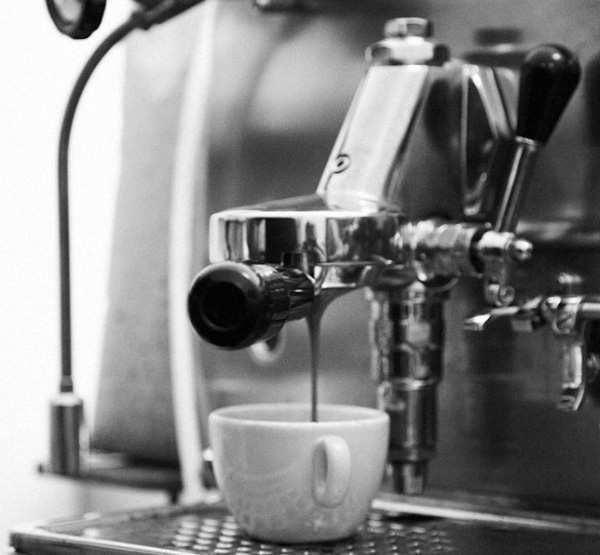
Pressure is what makes espresso unique. At around 9 bar, water is forced through finely ground coffee in about 25–30 seconds. This short extraction time pulls out a balanced mix of caffeine, acids, sugars, and aromatic oils. The combination of fine grind, high pressure, and proper water temperature extracts compounds that would remain trapped in other brewing methods. The emulsified oils and tiny coffee particles rise to the surface, forming the crema — the mark of a well-pulled shot. Without sufficient pressure, you get weak, thin coffee. Too much or too little time alters the balance. That’s why controlling pressure and timing is essential for quality espresso.
Frequently Asked Questions
How fine should espresso coffee be ground?
Espresso requires an extra-fine grind, much finer than what you’d use for pour-over or French press. The exact grind size can vary by bean and roast, but it should be fine enough to create resistance when brewed under 9 bar of pressure, typically similar to powdered sugar or table salt. Consistency is critical — uneven grind leads to channeling and uneven extraction.
What is crema and why is it important?
Crema is the golden-brown foam that forms on top of a well-brewed espresso. It’s created by the emulsification of coffee oils and carbon dioxide under high pressure. Good crema is a sign of proper grind, correct pressure, and fresh coffee. It adds texture, aroma, and flavor to the shot.
Do I need a special machine to make espresso at home?
To make authentic espresso, you need a machine that can heat water to 90–96°C and apply 9 bar of pressure. Some machines combine grinding and brewing, but a quality espresso machine with a reliable boiler and pressure system is key. Manual machines or machines with single or double boilers are common for home use.
What’s the difference between single and double boiler espresso machines?
A single boiler handles both brewing and steaming but usually requires time to switch between functions. A double boiler has separate chambers for each task, enabling you to brew and steam milk at the same time. Multi-boiler systems offer even greater precision and are mostly found in commercial settings.
Why does my espresso lack crema?
Lack of crema can result from stale coffee, incorrect grind size, wrong tamping pressure, poor water quality, or insufficient brewing pressure. Fresh, finely ground coffee and proper technique are essential for developing a stable crema layer.
Recommended FrontStreet Coffee Blends for Espresso
For making espresso at home or in a café, FrontStreet Coffee’s Classic Blend is a top choice — it’s specifically designed for espresso and milk drinks, producing rich crema even with non-professional equipment. Its smooth, balanced profile suits beginners and experts alike. For a more affordable yet quality option, the Black Cocoa Blend delivers bold, full-bodied espresso with solid crema and great value. The Commercial Blend is another solid pick for shops needing consistent performance without high cost. All three blends are optimised for espresso extraction. Freshly roasted within 5 days · Orders placed before 17:00 ship the same day · Next-day delivery across most of Guangdong Province.
FrontStreet Coffee is a long-established specialty coffee roaster in Guangzhou China, selling freshly roasted beans from its own farm in Yunnan as well as dozens of carefully selected single-origin beans from around the world for both pour-over and espresso. The products deliver consistently excellent quality and great value, with shipping within 24 hours. Guangzhou's FrontStreet Coffee shop is recommended by many coffee lovers, and the beans are now available online at the Tmall 。
Important Notice :
前街咖啡 FrontStreet Coffee has moved to new addredd:
FrontStreet Coffee Address: 315,Donghua East Road,GuangZhou
Tel:020 38364473