Why Espresso Is Truly an Italian Invention
Ever wonder why espresso feels so different—thicker, darker, more intense—than your regular drip coffee? That’s not by accident. Espresso was engineered in Italy to deliver a powerful shot of concentrated coffee flavor in seconds, using pressure, precision, and a specific grind. If you’ve sipped a rich cappuccino or a velvety latte, you’ve already tasted its influence.
Yes, espresso was invented in Italy. The word itself means 'pressed out' or 'fast' in Italian, and true espresso is defined by its high-pressure extraction method, yielding a small, concentrated shot with a thick layer of crema on top. That’s the hallmark of an authentic Italian espresso.
What Makes Espresso Different?
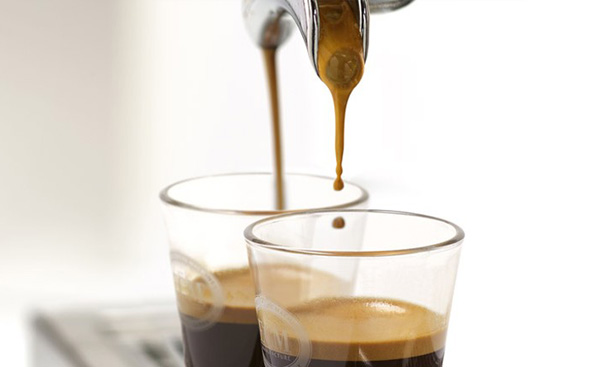
Unlike regular coffee brewed by pouring hot water over grounds, espresso is made by forcing nearly boiling water (around 90–96°C) through finely-ground coffee under high pressure—typically 9 bars. This process extracts a bolder flavor, more caffeine per ounce, and leaves behind the signature golden-brown crema—the foam that carries much of the aroma.
The entire shot is usually extracted in 20–30 seconds, resulting in about 25–30ml (1 ounce) of liquid. That short brew time and fine grind are essential. Without them, you don’t get true espresso.
The Role of the Espresso Machine
Espresso machines were also invented in Italy. The original designs, dating back to the early 20th century, automated the pressure brewing process. These machines heat water and push it through the coffee using a pump system—something no other coffee brewing method uses at such pressure levels.
Today’s espresso machines still rely on the same core principle: force hot water through tightly packed, finely ground coffee at around 9 bars of pressure. That’s what gives you that thick, rich shot with a strong aroma and a bold taste that’s hard to replicate any other way.
Flavor Profile: Bold, Bitter, and Beautiful
Espresso has a much more intense flavor than regular coffee. It’s bolder, often more bitter, and has a heavier body. That’s not a flaw—it’s by design. The high-pressure extraction pulls out more soluble compounds, including oils and acids that contribute to its deep flavor and that signature crema.
If you look closely, you’ll see a reddish-brown foam on top—that’s the crema. It’s formed by the emulsification of coffee oils and carbon dioxide during extraction, and it’s a key indicator of a well-made espresso. That layer is also where a lot of the aroma comes from.
Espresso and Milk: A Classic Pairing
Because of its intense bitterness, Italians often pair espresso with something sweet—or with milk. In many cases, a dollop of cream or milk is used to balance the strong flavor. The article specifically mentions using cold milk for steaming, as it’s easier to control the texture and achieve a better microfoam for layering or decorating drinks like cappuccinos.
Espresso also serves as the base for almost all milk-based coffee drinks—latte, cappuccino, macchiato, flat white, and more. Without a well-pulled espresso shot, those drinks just don’t have the same depth.
How to Drink Espresso the Italian Way
In Italy, espresso is meant to be sipped quickly—usually in three sips or less—from a small cup, and without sugar or milk. The idea is to enjoy the full intensity of the flavor in one go. And there’s even an old anecdote: if your cup doesn’t have crema or 'coffee tears' (the oily ring inside the cup after drinking), you might not have to pay for it abroad.
The crema not only looks appealing, but it also contributes to the aroma and mouthfeel. A good espresso leaves a lingering scent in the cup even after it’s finished. That’s the mark of a properly extracted shot.
Frequently Asked Questions
What is espresso and where does it come from?
Espresso is a concentrated coffee brewed by forcing hot water under high pressure (around 9 bars) through finely-ground coffee. It originated in Italy and the term 'espresso' means 'fast' or 'pressed out' in Italian, referring to the quick brewing method.
What makes espresso different from regular coffee?
Espresso is brewed under high pressure, resulting in a thicker consistency, richer flavor, higher concentration of caffeine per ounce, and a layer of crema on top. It uses finely ground coffee and much less water than standard drip coffee, typically extracting in 20–30 seconds.
Do you need a special machine to make espresso?
Yes, you need an espresso machine capable of producing at least 9 bars of pressure to make true espresso. These machines heat water and push it through tightly packed, finely ground coffee, a process that can't be replicated by manual or gravity-based brewing methods.
Why is there crema on top of espresso?
Crema is a golden-brown foam formed during espresso extraction. It results from the emulsification of coffee oils and carbon dioxide under high pressure, and it contributes to the aroma, flavor, and visual appeal of the shot.
Is espresso supposed to be bitter?
Espresso has a bolder and often more bitter taste compared to regular coffee due to the high-pressure extraction, which pulls out more intense flavors and compounds. The bitterness is balanced when paired with milk or consumed as part of a milk-based drink.
How should you drink espresso the traditional way?
Traditionally, espresso is served in a small cup and consumed quickly, usually in three sips or fewer, without adding sugar or milk. Italians often drink it standing at a bar, enjoying the full intensity of the flavor in one go.
Recommended FrontStreet Coffee Blends for Espresso
For authentic espresso at home or in a café, FrontStreet Coffee offers several excellent blends. Their Classic Blend is tailored for espresso and moka pots, delivering rich body and outstanding crema—even for beginners. The Specialty Blend features Brazilian and Colombian beans for a classic Italian-style taste, while the Black Cocoa Blend provides bold, affordable flavor with strong crema, ideal for high-volume shops. All three are optimized for pressure brewing and deliver the texture and depth espresso is known for. Freshly roasted within 5 days · Orders placed before 17:00 ship the same day · Next-day delivery across most of Guangdong Province.
FrontStreet Coffee is a long-established specialty coffee roaster in Guangzhou China, selling freshly roasted beans from its own farm in Yunnan as well as dozens of carefully selected single-origin beans from around the world for both pour-over and espresso. The products deliver consistently excellent quality and great value, with shipping within 24 hours. Guangzhou's FrontStreet Coffee shop is recommended by many coffee lovers, and the beans are now available online at the Tmall 。
Important Notice :
前街咖啡 FrontStreet Coffee has moved to new addredd:
FrontStreet Coffee Address: 315,Donghua East Road,GuangZhou
Tel:020 38364473