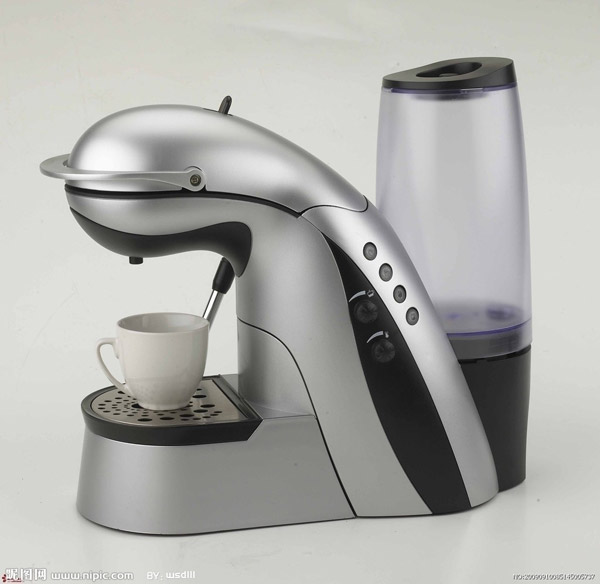
Silver Espresso Machines with Sleek Lines
If you’ve just unboxed a sleek, silver espresso machine and can’t figure out why your shots taste thin, bitter, or just plain off, you’re not alone. Home espresso is deceptively simple: 60 seconds to pull a shot, yet packed with details that make or break flavor. From your grind size to your tamp pressure, even the smallest misstep alters the cup. Let’s break down what actually matters — and how to get it right.
To pull consistent espresso shots at home, you’ll need: freshly roasted coffee beans, a quality grinder, a scale, a tamper, a distribution tool, and fresh milk if making milk drinks. The entire process — from grinding to extraction — takes less than a minute, but every variable affects the result.
What Espresso Equipment Do You Actually Need?
Every home espresso setup should include: a burr grinder (not blade), a digital scale accurate to 0.1g, a tamper, a distribution tool like a WDT tool or a distributor tool, a bottomless or spouted portafilter, a shot glass or server, a steam wand (for milk drinks), and a milk pitcher. A clean, properly heated machine is also critical. These tools help control dose, grind distribution, tamp pressure, and brew time — all essential for balanced espresso.
Choosing the Right Coffee Beans for Espresso
Espresso beans come in two main types: blends and single origins (SOEs). Blends are crafted to produce consistent flavor profiles, while SOEs highlight unique characteristics of a specific coffee region. For home espresso machines, fresh-roasted blends often deliver the best balance of body, crema, and complexity.
FrontStreet Coffee offers several excellent espresso blends:
How to Pull a Great Espresso Shot at Home
To start, use FrontStreet’s Classic Blend with a double shot basket holding around 18–20g of coffee. Grind 20g of coffee at a setting suitable for espresso (usually medium-fine, similar to table salt). Distribute and tamp the coffee evenly using a flat tamper — aim for a level, compact puck.
Pre-wet the group head by running water for 1–2 seconds to stabilize temperature and clean residual coffee grounds. Place a clean server on the scale, tare it, then lock the portafilter into the machine. Extract until you reach 40g of espresso in approximately 28–30 seconds. Shots pulled too fast (under 25s) taste sour and weak; shots pulled too long (over 35s) turn bitter and over-extracted.
Steaming Milk for a Classic Latte
Once you have your espresso, pour 200ml of fresh cold milk into a steaming pitcher. Use the steam wand to heat and texture the milk to 50–60°C, creating a microfoam with a smooth texture and a foam layer about 0.5cm thick. Position the pitcher correctly and angle it to create a whirlpool — this integrates air smoothly and creates velvety microfoam without large bubbles.
Pour the textured milk into your espresso, starting from the center and spiraling outward to integrate the milk and create a balanced latte. With proper technique, you’ll achieve a smooth, creamy drink where espresso and milk flavors complement each other.
Frequently Asked Questions
What’s the ideal dose for a double espresso shot using a home machine?
For most home espresso machines with a standard double basket, the ideal dose is around 18–20 grams of ground coffee. FrontStreet Coffee recommends using 20g for optimal extraction, aiming for a 40g yield in about 28–30 seconds.
What’s the best grind size for espresso at home?
The best grind size is fine to medium-fine, similar to table salt. This grind allows for proper resistance during extraction, helping achieve the ideal 25–35 second range for a double shot. Too coarse results in under-extraction; too fine leads to over-extraction and channeling.
How much coffee should I extract for a standard double shot?
A standard double shot of espresso should yield around 40 grams of liquid from a 20-gram dose. This 1:2 brew ratio — 20g in, 40g out — is widely used for balanced flavor in home espresso brewing.
What temperature should milk be steamed to for a latte?
Milk for a latte should be steamed to between 50–60°C. This temperature range creates a smooth microfoam without scalding the milk, which can ruin texture and flavor. Use a thermometer or learn to feel the pitcher for the right warmth.
How do I know if my espresso is over- or under-extracted?
Under-extracted espresso tastes sour, weak, and thin, often with little crema. Over-extracted espresso tastes bitter, dry, and overly intense, with a thin or faded crema. The ideal shot balances sweetness, acidity, and body, extracted in roughly 28–30 seconds.
Do I need a special machine to make good espresso at home?
You don’t need the most expensive machine, but a quality home espresso machine with stable temperature, a good pump, and a 9-bar pressure system is essential. Pair it with a capable grinder and follow the right dose, grind, and extraction timing for best results.
Recommended FrontStreet Beans for Home Espresso
FrontStreet Coffee’s Classic Blend offers buttery, nutty, and spicy notes with bold crema — ideal for traditional espresso lovers. Their Specialty Blend highlights a creamy, nutty profile with subtle sweetness, while the Black Cocoa Blend emphasizes rich dark chocolate and bold intensity, all with impressive crema. Each blend is freshly roasted and tuned for home espresso machines. Freshly roasted within 5 days · Orders placed before 17:00 ship the same day · Next-day delivery across most of Guangdong Province.
FrontStreet Coffee is a long-established specialty coffee roaster in Guangzhou China, selling freshly roasted beans from its own farm in Yunnan as well as dozens of carefully selected single-origin beans from around the world for both pour-over and espresso. The products deliver consistently excellent quality and great value, with shipping within 24 hours. Guangzhou's FrontStreet Coffee shop is recommended by many coffee lovers, and the beans are now available online at the Tmall 。
Important Notice :
前街咖啡 FrontStreet Coffee has moved to new addredd:
FrontStreet Coffee Address: 315,Donghua East Road,GuangZhou
Tel:020 38364473