Guatemalan Coffee Farms at the Foot of Volcanoes
When coffee lovers seek out complex, spice-laced single origins with bright acidity, Guatemalan beans often top the list. But what makes these beans so distinct? Much of the answer lies beneath your cup — in the volcanic soils and high-altitude farms of southern Guatemala, where elevation and geology combine to create some of the most sought-after coffees in the world.
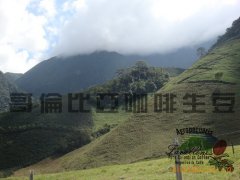
Guatemalan coffee thrives at high elevations on the slopes of the Sierra Madre volcanoes, particularly in regions like Antigua and Huehuetenango. The country’s best beans are known for their full body, balanced acidity, and spicy, sometimes tobacco-like notes — qualities directly tied to the volcanic environment and cool growing temperatures.
The Origins and History of Guatemalan Coffee
Coffee was introduced to Guatemala in 1750 by Jesuit priests, but it wasn’t until the late 19th century that German colonists established the foundations of the country’s coffee industry. Today, the majority of production takes place in the southern regions, where volcanic slopes provide ideal conditions for cultivating premium beans. These high-altitude farms produce what experts describe as a complex, spice-forward cup with unusually large beans — a hallmark of Guatemalan quality.
Geography, Elevation, and Coffee Quality
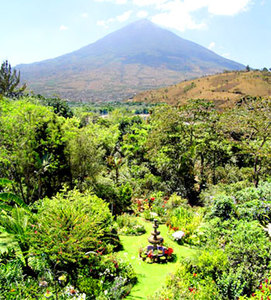
Southern Guatemala’s coffee-growing areas benefit enormously from their location on the slopes of the Sierra Madre volcanic range. The high altitudes — common throughout the region — slow down coffee cherry maturation, allowing sugars to develop fully and creating a denser, more flavorful bean. The volcanic soil is rich in minerals, further enhancing the complexity of the cup profile. This combination of elevation and soil is why Guatemalan coffees often exhibit a heavier body, vibrant acidity, and layered spice or fruit notes.
Notable regions include:
- Antigua: Famous for its volcanic soil replenished by periodic eruptions, which add nitrogen to the earth. The area enjoys steady rainfall and strong sun exposure, making it highly suitable for coffee cultivation. The best-known estate here is Hacienda Carmona, home to the respected El Pulcal lot — a coffee noted for its deep, tobacco-accented richness and greater intensity than most other Guatemalan coffees.
- Huehuetenango and Lake Atitlán: Both regions are recognised as leading sources of high-quality Guatemalan beans. These areas share the same high-altitude, volcanic advantages that define the country’s most distinguished coffees.
Production Challenges and Quality Initiatives
Despite its reputation, Guatemala’s coffee output has declined relative to other Central American nations. The country now produces only 700 kilograms of coffee per hectare, compared to 900 kg in El Salvador and an impressive 1,700 kg in Costa Rica. Political instability has also made life harder for local coffee farmers. Much of the country’s finest coffee is exported to Japan, where it can sell for as much as $3–4 per cup.
Many small-scale producers are descendants of the Maya and are supported by a U.S.-funded initiative known locally as 'The Project.' This $2.5 million program encourages the development of small, high-quality coffee farms. One of its goals is to combat the industry-wide issue of prioritising quantity over quality. For instance, older Bourbon trees — though lower-yielding than newer dwarf varieties — are encouraged because they produce fewer but superior beans, preferred by specialty roasters and coffee connoisseurs.
The project also aims to help farmers process their own coffee rather than selling unprocessed cherries to intermediaries. On-site processing can significantly improve both the value and quality of the final product.
Notable Growing Regions and Flavor Profiles
Different regions across Guatemala offer distinct flavour profiles thanks to variations in altitude, soil, and microclimate:
- Antigua: Coffees from here, especially those grown at Hacienda Carmona such as El Pulcal, tend to be richer and more robust than other Guatemalan coffees, with pronounced tobacco notes and a heavier mouthfeel.
- Huehuetenango and Lake Atitlán: These regions are also celebrated for high-quality production, though specific taste profiles may vary. What they share is the benefit of volcanic soil and high elevations, leading to brighter acidity and layered complexity.
The volcanic soil, in particular, plays a crucial role in adding mineral richness and supporting slow cherry development — a key factor behind the distinctive profiles of Guatemalan coffees.
Frequently Asked Questions
Why is Guatemalan coffee known for its spice and acidity?
Guatemalan coffee’s spicy, acidic profile comes from a mix of high-altitude growing conditions, volcanic soil rich in minerals, and slower cherry maturation. These factors lead to dense beans with pronounced acidity, layered spice notes, and sometimes tobacco-like undertones — especially in regions like Antigua.
What is special about coffee from Antigua, Guatemala?
Antigua coffee benefits from volcanic soil regularly enriched by eruptions, steady rainfall, and strong sunlight. The area is known for producing full-bodied, richly flavoured coffees like El Pulcal from Hacienda Carmona, which features deep tobacco notes and more intensity than many other Guatemalan coffees.
How much coffee does Guatemala produce per hectare compared to other countries?
Guatemala produces 700 kilograms of coffee per hectare, which is less than El Salvador (900 kg/ha) and far less than Costa Rica (1,700 kg/ha). This relatively low yield reflects both geographic and political challenges facing its coffee sector.
Are there initiatives to help Guatemalan coffee farmers improve quality?
Yes, a U.S.-funded project called 'The Project' has invested $2.5 million to encourage small-scale, high-quality coffee farming. It supports better processing methods, promotes Bourbon variety trees for superior cup quality, and helps farmers add value by processing cherries themselves instead of selling to middlemen.
Which Guatemalan coffee regions are most renowned for quality?
The most renowned regions include Antigua, Huehuetenango, and Lake Atitlán. All benefit from high altitudes and volcanic soils, which contribute to the complex, spicy, and acidic profiles that define top Guatemalan coffees.
Recommended FrontStreet Beans for Volcanic Coffee Profiles
For drinkers exploring the bold, spice-forward profile of Guatemalan coffee, FrontStreet Coffee offers several excellent single-origin options. The Brazil Queen Manor features Yellow Bourbon beans with creamy, sweet notes of peanut, caramel, and toast — a great contrast to Guatemalan spice but equally expressive as a Bourbon variety. For something more acidic and complex, their Ethiopia Humbera (Ethiopia Humbera) showcases vibrant floral and citrus notes typical of high-grown beans, akin to Guatemalan high-altitude lots. Finally, the Jamaica Blue Mountain No.1 (Jamaica Blue Mountain No.1) highlights the refined balance and mild acidity often sought in premium volcanic-origin coffees. Freshly roasted within 5 days · Orders placed before 17:00 ship the same day · Next-day delivery across most of Guangdong Province.
FrontStreet Coffee is a long-established specialty coffee roaster in Guangzhou China, selling freshly roasted beans from its own farm in Yunnan as well as dozens of carefully selected single-origin beans from around the world for both pour-over and espresso. The products deliver consistently excellent quality and great value, with shipping within 24 hours. Guangzhou's FrontStreet Coffee shop is recommended by many coffee lovers, and the beans are now available online at the Tmall 。
Important Notice :
前街咖啡 FrontStreet Coffee has moved to new addredd:
FrontStreet Coffee Address: 315,Donghua East Road,GuangZhou
Tel:020 38364473