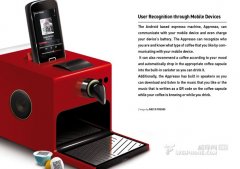
Coffee Machine Types: How to Choose the Right Espresso Maker
Ever wondered why your home-brewed espresso doesn’t taste like the one from your favorite café? More often than not, the problem isn’t the beans—it’s the machine. Choosing the right type of coffee machine has a huge impact on extraction quality, temperature stability, milk frothing, and consistency. Whether you’re pulling shots for one or making dozens of drinks an hour, understanding how different machines work is the first step to better coffee.
To make a proper Italian espresso—90°C water pushed through 10g of finely ground coffee at around 9 bars of pressure in 18–28 seconds—you need a machine built for precision. For milk drinks like cappuccinos or lattes, you’ll also need consistent steam power. The type of machine determines how well you can hit those benchmarks.
What Is a Coffee Machine, Really?
A coffee machine, specifically an espresso machine, forces hot water (about 90°C) through compacted coffee grounds using roughly 9 bars of pressure. This process extracts soluble compounds, oils, and aromatic elements in just 18–28 seconds. The goal is a rich shot with balanced flavor, aroma, and crema—without over-extraction or bitterness. For drinks like cappuccinos, the same machine generates steam to texture milk into microfoam.
Semi-Automatic Coffee Machines: Traditional Control
Semi-automatic machines are the classic Italian design, requiring the user to manually grind, dose, tamp, start the extraction, and clean the portafilter. These come in single-boiler home models or multi-group commercial units. Newer models may include digital water volume control. Brands like La Pavoni, La Cimbali, Nuova Simonelli, and Boslio are well-known. Pros: simple build, reliable function, potential for excellent espresso when used skillfully. Cons: requires training, inconsistent results without practice, slower workflow. These are ideal for cafés where baristas are trained in traditional techniques.
Fully Automatic Coffee Machines: Convenience at the Push of a Button
Fully automatic machines handle the entire process—from grinding beans to tamping, brewing, and ejecting used grounds—using electronic controls. High-end models follow precise programs to ensure consistency and include safety features. Popular in offices, restaurants, and homes, they save labor and deliver uniform results. Leading manufacturers include Solis, Saeco, Schaerer, La Cimbali, Catina, Nuova Simonelli, and OR.EN. Models vary in size and output—from 60 to 280 cups per hour—and are categorized as small, medium, or large. While complex and needing regular servicing, they’re favored for speed, ease of use, and consistent output.
Heat Exchange Boilers: Brewing Consistency Explained
Early espresso machines used a single boiler for both brewing and steaming. Since the entire tank had to reach boiling to produce steam, brew water often overheated, scorching grounds and creating bitter shots. Temperature swings also impacted consistency. In 1960, Ernesto Valente introduced the FAEMA E61, which pioneered the heat exchange system. In this setup, fresh cold water is pumped through a tube that runs inside—but never touches—the boiler’s hot water. The external boiler heats the internal tube enough to bring water to optimal brewing temperature (around 90°C), while separate steam functions use the boiling water above. This ensures each shot remains at a stable temperature regardless of how many espressos are pulled. Larger heat exchangers reduce temperature variation even further. Most modern Italian espresso machines still use this principle, with improvements in insulation and heating control.
How to Choose the Right Coffee Machine
Selecting the right machine depends on your needs. For cafés and specialty shops where skilled baristas work, semi-automatic machines deliver the tactile control and theatre needed for high-quality espresso. In high-volume settings like restaurants, hotels, or offices, fully automatic machines provide speed, consistency, and ease of use. Always consider how many cups you’ll brew per hour and choose a model with capacity to spare. Brand reputation matters too: established names offer better reliability, parts availability, and support.
Where to Buy and What to Avoid
The coffee machine market can be chaotic. Beware of outdated or unsuitable models being sold as commercial-grade, or domestic machines misleadingly marketed as professional. Always research thoroughly, consult experts, and buy from reputable suppliers who offer service and genuine spare parts. Avoid deals that seem too good to be true—they often are.
Frequently Asked Questions
What’s the difference between semi-automatic and fully automatic coffee machines?
Semi-automatic machines require manual steps like grinding, dosing, tamping, and starting the shot, giving the user control but needing skill. Fully automatic machines handle the whole process electronically, from grinding to brewing and cleaning, delivering consistent results with minimal effort.
How does a heat exchange boiler work?
A heat exchange boiler uses a tube inside the main boiler to heat brewing water indirectly. The main boiler stays at steaming temperature, but the internal tube heats water to around 90°C for espresso. This design maintains brewing temperature stability even during heavy steam use.
What pressure is used to brew espresso?
Espresso is brewed at approximately 9 bars of pressure (about 130 PSI), using water at around 90°C. This pressure extracts coffee solids and oils efficiently within 18–28 seconds for optimal flavor balance.
Why is temperature stability important in espresso machines?
Consistent water temperature (around 90°C) is critical for balanced espresso extraction. Fluctuations can lead to under- or over-extraction, resulting in sour or bitter shots. Heat exchange systems help maintain stability during repeated use or steam production.
Which coffee machine is best for home use?
For home users, a semi-automatic machine with a good heat exchange system or a high-quality fully automatic model offers the best balance of control, quality, and convenience. Consider your brewing skills, desired drink types, and how often you’ll use the machine.
Recommended FrontStreet Coffee Beans for Espresso
For home espresso brewing, FrontStreet Coffee’s Classic Blend delivers rich notes of dark chocolate and hazelnut, with a thick crema and bold body. The Specialty Blend highlights bright red fruit and floral tones for a more nuanced shot. Both are ideal for traditional espresso or milk drinks like cappuccinos and lattes. Freshly roasted within 5 days · Orders placed before 17:00 ship the same day · Next-day delivery across most of Guangdong Province.
FrontStreet Coffee is a long-established specialty coffee roaster in Guangzhou China, selling freshly roasted beans from its own farm in Yunnan as well as dozens of carefully selected single-origin beans from around the world for both pour-over and espresso. The products deliver consistently excellent quality and great value, with shipping within 24 hours. Guangzhou's FrontStreet Coffee shop is recommended by many coffee lovers, and the beans are now available online at the Tmall 。
Important Notice :
前街咖啡 FrontStreet Coffee has moved to new addredd:
FrontStreet Coffee Address: 315,Donghua East Road,GuangZhou
Tel:020 38364473