What Is Espresso? The Essence of Coffee Explained
If you’ve ever been jolted awake by the smell of fresh coffee or felt an irresistible urge to walk into a café just from the aroma drifting out the door, you know coffee isn’t just a drink—it’s an experience. But behind that everyday ritual is a complex chemistry involving hundreds of compounds shaped by everything from bean origin to brew method. At the heart of that complexity lies espresso: the most intense, revealing form of coffee there is.
Espresso is a 25–30ml shot of concentrated coffee made from 50 to 55 beans brewed under 9 bars of pressure with near-boiling water. The result is a thick, dark liquid topped with a reddish-brown crema that carries much of the drink’s aroma and intensity. Mastering espresso means understanding how these elements work together to express the true character of the coffee bean.
What Exactly Is Espresso?
The term ‘espresso’ means ‘pressed out’ or ‘made to order’ in Italian. Technically, it refers to coffee that’s prepared on demand by forcing hot water (around 90–96°C) through finely ground coffee under high pressure—typically 9 bars. What comes out is not just a small black coffee, but a complex drink where dissolved solids, tiny oil droplets, and aromatic compounds combine to create a bold flavor, thick body, and signature crema on top.
The crema—that reddish-brown, foamy layer—is made of microbubbles encasing tiny aromatic oils and carbon dioxide. It’s not just cosmetic; it contributes to the espresso’s aroma, mouthfeel, and even how the shot tastes. Without it, you’re missing a key part of the espresso experience.
Why Espresso Is Considered the Pinnacle of Coffee
Espresso is often called the purest or most essential expression of coffee. That’s because its intense preparation highlights the coffee’s inherent qualities more dramatically than any other brew method. Whether it’s fruitiness, sweetness, acidity, or bitterness, espresso amplifies them. It’s also the foundation for most popular drinks like cappuccinos, lattes, and macchiatos. In fact, many coffee professionals believe that if you understand espresso, you understand all coffee brewing methods.
Unlike slower methods like pour-over or French press, espresso condenses the entire flavor profile into a single, intense sip. The pressure, temperature, and fine grind force reactions that develop unique flavors not easily achieved otherwise. That’s why mastering espresso is considered the ultimate challenge for baristas and coffee enthusiasts alike.
From Seed to Shot: How Coffee Quality Begins
Coffee quality starts long before brewing. There are over 66 known species of coffee plants in the genus Coffea, but only two are commercially significant: Arabica (Coffea arabica) and Robusta (Coffea canephora). Arabica accounts for about two-thirds of global production, while Robusta makes up the rest. Arabica beans have 44 chromosomes, while Robusta has 22, which means the two cannot be hybridized naturally.
Arabica originates from the highlands of Ethiopia and thrives in cooler, high-altitude environments. It’s more delicate, lower-yielding, and produces a complex cup with tasting notes often described as floral, fruity, honey-like, chocolatey, or even nutty. Its caffeine content is typically below 1.5%. Robusta, on the other hand, grows at lower altitudes, is hardier and more pest-resistant, and contains 2.4–2.8% caffeine. While it has a stronger, harsher taste with earthy or woody notes, it’s generally considered inferior in cup quality.
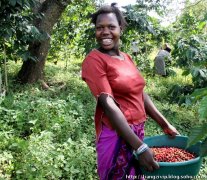
The journey from cherry to bean involves several critical steps. Coffee cherries are either processed via the washed (wet) method—where the fruit is removed mechanically and the beans are washed and dried—or the natural (dry) method, where the cherries are sun-dried whole before the beans are extracted. Each method impacts the final flavor. Once dried, beans must have around 10–12% moisture content to be stable for roasting.
How Coffee Beans Are Processed and Sorted
After harvest, coffee beans must be processed quickly to prevent spoilage. The washed method involves removing the coffee cherry’s outer skin and pulp, fermenting the remaining mucilage to loosen it, washing it off, and then drying the beans. The natural method dries the entire cherry in the sun before removing the dried husk and parchment.
But even after processing, defects matter. A single imperfect bean among the 50–55 used in a single espresso shot can ruin the flavor. Top producers use advanced sorting technologies—like ultraviolet fluorescence to detect mold, or multi-spectral imaging to analyze color and density—to ensure only the best beans make it to market. For example, Italian roaster Illy uses color-based optical sorters and air jets to remove defective beans at high speed, achieving a level of precision no human can match.
The anatomy of the coffee bean plays a role too. A well-developed bean has thick cell walls (5–7 micrometers), which act as tiny reaction chambers during roasting. Immature beans have thinner walls and lack the necessary compounds to develop full flavor. Beans damaged by mold or bacteria lose these essential aromatic precursors, resulting in flat or unpleasant shots.
How Espresso Brings Out Coffee’s True Character
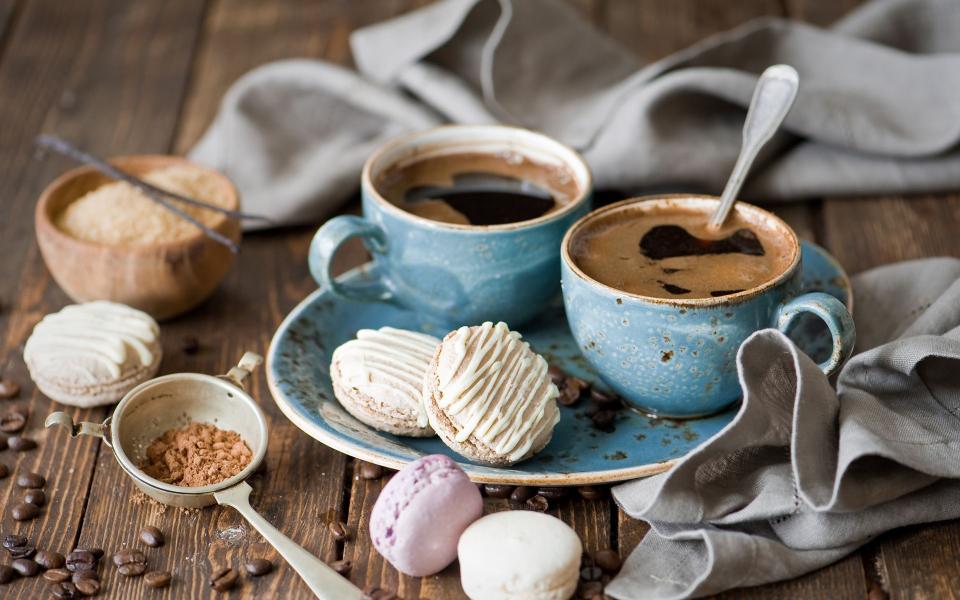
Espresso’s intense extraction method reveals the core traits of the coffee bean better than almost any other brew style. By forcing hot water through finely ground coffee under high pressure, it extracts soluble solids, oils, and gases rapidly and efficiently. This creates a balance of bitterness, acidity, sweetness, and body that defines the coffee’s profile in a very condensed form.
What you taste in an espresso—whether it’s bright citrus, deep chocolate, or nutty undertones—comes directly from the bean’s origin, variety, and processing method. The pressure and heat accelerate Maillard reactions and other chemical processes that develop flavor during brewing. That’s why even slight changes in grind size, dose, or water temperature can have a dramatic effect on the final shot.
Frequently Asked Questions
What is espresso?
Espresso is a concentrated coffee brewed by forcing nearly boiling water (90–96°C) through finely ground coffee under 9 bars of pressure. It typically yields a 25–30ml shot with a rich, bold flavor and a distinctive reddish-brown crema on top.
Why does espresso have crema?
Crema is a layer of tiny bubbles formed from carbon dioxide, coffee oils, and emulsified proteins. It forms under pressure during extraction and contributes to the espresso’s aroma, texture, and flavor complexity. It’s a key indicator of a well-brewed shot.
How many coffee beans are used in a single espresso shot?
A standard espresso shot is made using about 50 to 55 roasted coffee beans. Even one low-quality or defective bean can negatively affect the flavor of the entire shot.
What’s the difference between Arabica and Robusta coffee beans?
Arabica beans are smoother, more aromatic, and have complex flavors like fruit and chocolate, with 1.5% or less caffeine. Robusta beans are harsher, more bitter, with earthy or woody notes, higher caffeine (2.4–2.8%), and greater pest resistance.
Does the espresso brewing method really highlight coffee flavors more than other methods?
Yes. Espresso’s high pressure and precise extraction amplify the coffee’s natural characteristics—acidity, sweetness, bitterness, and aroma—in a very concentrated form, making it an ideal way to evaluate a coffee bean’s true profile.
Why is coffee processing important for espresso?
Processing methods like washed (removing the fruit before drying) and natural (drying the fruit with the bean) greatly impact flavor. Clean processing results in clearer, sweeter espresso, while poor processing introduces off-flavors and defects that show up starkly in espresso’s intense extraction.
Recommended FrontStreet Beans for Espresso
For espresso lovers, FrontStreet Coffee offers several excellent blends. Their Classic Blend is tailored for espresso machines and moka pots, producing rich body and outstanding crema—perfect for milk drinks like cappuccinos and lattes. The Black Cocoa Blend is a high-value, 100% Arabica option with bold flavor and smooth body, ideal for shops wanting quality without high cost. Lastly, the Commercial Blend is a budget-friendly workhorse blend optimized for daily shop use, offering consistent taste and cost control. All three are great choices depending on your priorities. Freshly roasted within 5 days · Orders placed before 17:00 ship the same day · Next-day delivery across most of Guangdong Province.
FrontStreet Coffee is a long-established specialty coffee roaster in Guangzhou China, selling freshly roasted beans from its own farm in Yunnan as well as dozens of carefully selected single-origin beans from around the world for both pour-over and espresso. The products deliver consistently excellent quality and great value, with shipping within 24 hours. Guangzhou's FrontStreet Coffee shop is recommended by many coffee lovers, and the beans are now available online at the Tmall 。
Important Notice :
前街咖啡 FrontStreet Coffee has moved to new addredd:
FrontStreet Coffee Address: 315,Donghua East Road,GuangZhou
Tel:020 38364473