Common Espresso-Based Drink Ratios Explained
Making a great latte, cappuccino, or macchiato isn’t just about pulling a decent shot—it’s about getting the proportions right. Whether you’re dialing in at home or training staff, knowing the exact coffee, water, and milk amounts makes all the difference in texture, strength, and taste.
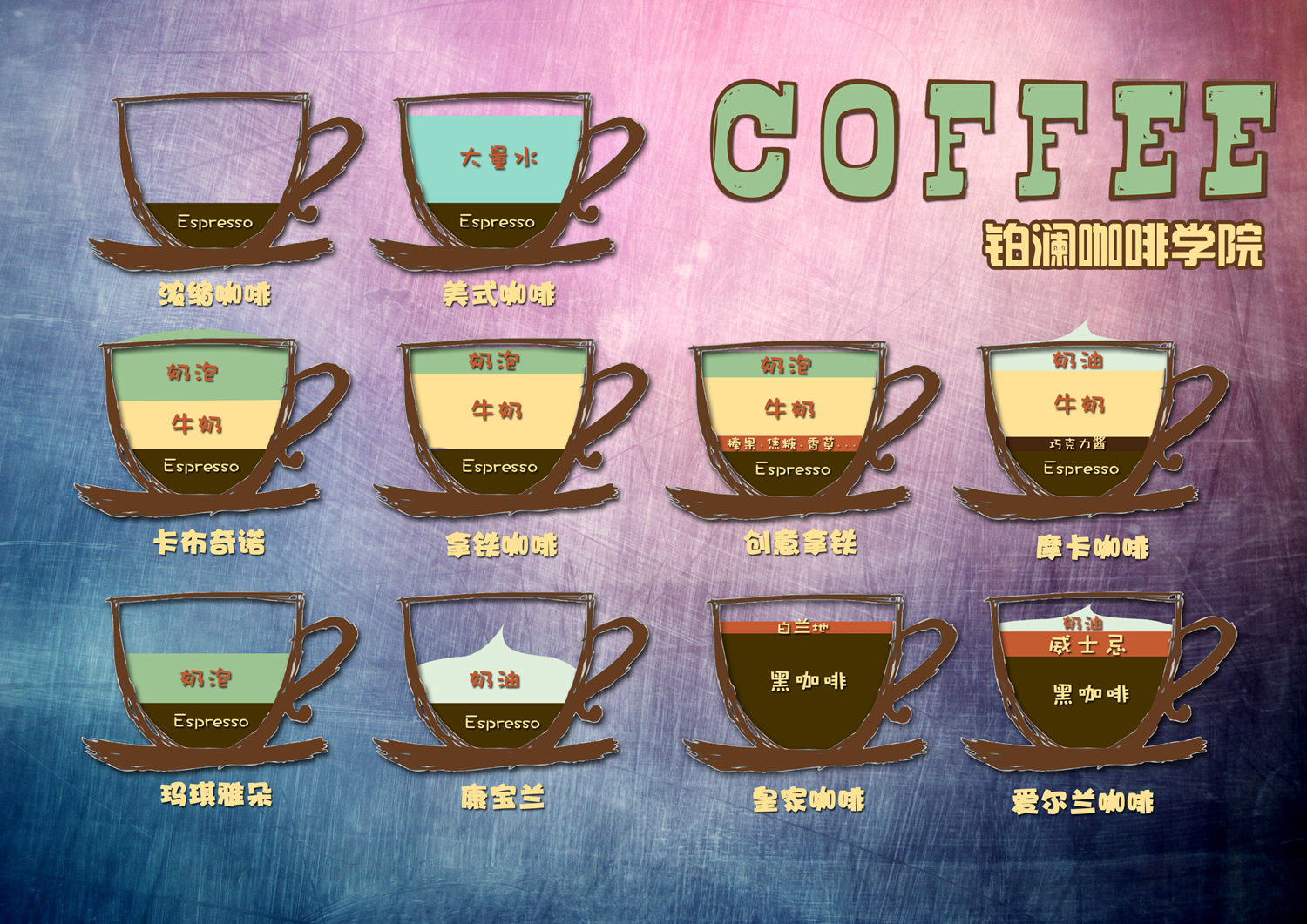
Most classic espresso drinks follow simple ratios: a standard double shot (around 30–36ml or 2 shots) serves as the base. A cappuccino uses equal parts espresso, steamed milk, and foam (1:1:1), while a latte blends 1/3 espresso with 2/3 steamed milk and a light layer of foam (1:2:small). A flat white uses a ristretto or short espresso shot with a higher milk-to-espresso ratio and velvety microfoam (1:3–1:4).
What Is an Espresso Shot?
An espresso shot is the foundation of nearly all café drinks. It’s a concentrated coffee brewed by forcing hot water (90–96°C) through finely-ground coffee under high pressure (9–10 bar). A standard single shot is about 30ml (1 fluid ounce), often extracted with a 7–9g dose. A double shot, the industry norm, uses around 14–18g of coffee and yields 60ml (2 fluid ounces). This concentrated base determines the strength and flavor balance in all milk-based drinks.
Common Espresso Drink Ratios
Here are the standard formulations used by professional baristas worldwide:
- Espresso: 7–18g coffee → 30–36ml espresso (1–2 shots)
- Macchiato: 2 shots espresso + a small dash of steamed milk (approx. 10–20ml), keeping the coffee flavor strong with just a mark of milk.
- Cappuccino: 2 shots espresso (30–36ml) + 60–90ml steamed milk + 60–90ml milk foam, in a 1:1:1 volume ratio.
- Latte: 2 shots espresso (30–36ml) + 200–300ml steamed milk + a thin layer (approx. 1cm) of foam, roughly a 1:2:small milk-to-espresso ratio.
- Flat White: 1–2 shots espresso (often a ristretto), 180–220ml steamed milk with fine microfoam, yielding a 1:3–1:4 milk-to-espresso ratio.
- Mocha: 2 shots espresso + 15–30ml chocolate syrup + 180–240ml steamed milk + optional whipped cream.
- Affogato: 1 shot espresso poured over a single shot of vanilla gelato or ice cream (no fixed brew ratio, served as dessert).
Why Ratios Matter
The milk-to-espresso ratio directly impacts texture, mouthfeel, and flavor balance. Too much milk dilutes the coffee’s character; too little leaves the drink sharp or unbalanced. Baristas tweak these proportions depending on cup size, roast level, and customer preference—but the classic standards ensure consistency and quality across all drinks.
For example, a cappuccino’s equal-parts formula highlights both the coffee’s strength and the milk’s texture. A flat white’s higher milk volume and finer foam create a smoother, silkier mouthfeel. Using a double shot (around 36ml) as the base ensures enough caffeine and flavor complexity, even when stretched with milk.
How to Measure Accurately at Home
To recreate café-quality drinks, measure your ingredients by volume or weight:
- Use a scale to weigh coffee doses (14–18g for double shots).
- Brew espresso into a marked shot glass or small pitcher.
- Steam milk and measure its volume with a liquid measuring jug (e.g., 200ml for a latte).
- Adjust milk foam levels to taste—thicker for cappuccinos, thinner for lattes.
Consistency comes from repetition and measurement, not guesswork. Start with the ratios above, then adjust to taste.
Frequently Asked Questions
What is the standard espresso shot size?
A standard single espresso is 30ml (1 fluid ounce), typically made with 7–9g of coffee. A double shot, used in most drinks, is 60ml (2 fluid ounces) and uses 14–18g of coffee. Most cafés and home setups aim for a 2-shot (double) base in milk drinks.
How much milk goes into a cappuccino?
A cappuccino contains equal parts espresso, steamed milk, and foam—typically 30–36ml espresso, 60–90ml steamed milk, and 60–90ml milk foam. The total drink volume is around 150–200ml, with a 1:1:1 ratio by volume.
What’s the difference between a latte and a flat white?
A latte has a 1:2–1:3 milk-to-espresso ratio (e.g., 30–36ml espresso with 200–300ml milk), topped with a thin foam layer. A flat white uses a higher proportion of milk (1:3–1:4) and finer microfoam, often with a ristretto or shorter espresso shot for a richer, smoother texture.
How much espresso is in a macchiato?
A traditional macchiato consists of 2 shots of espresso (30–36ml) with just a small amount of steamed milk added (about 10–20ml), just enough to “mark” the coffee. It maintains a strong espresso flavor with a slight visual change in color.
Can I use any coffee for these drinks?
These ratios work best with a well-extracted espresso—ideally a blend designed for milk drinks, with balanced body and crema. Darker roasts or blends with good sweetness and crema (like FrontStreet’s Classic Blend) perform particularly well in these applications.
What’s the best grind size for espresso in milk drinks?
Use a fine espresso grind, typically around a China-standard No.20 sieve passing rate or equivalent to a 1:2 brew ratio at 9–10 bar pressure. The grind should allow for a 25–30 second extraction for a double shot (30–36ml), producing a rich and creamy espresso suitable for mixing with milk.
Recommended FrontStreet Beans for Milk Drinks
For crafting classic espresso-based drinks, FrontStreet Coffee’s Classic Blend delivers exceptional results. Designed specifically for espresso and milk applications, it produces rich crema and a balanced, approachable flavor with notes of dark chocolate and caramel—ideal for cappuccinos, lattes, and flat whites. For a more budget-friendly option without sacrificing taste, the Black Cocoa Blend offers full-bodied flavor and smooth milk compatibility at a lower price point, perfect for cafés or home use. Both blends are optimized for crema and texture in milk drinks. Freshly roasted within 5 days · Orders placed before 17:00 ship the same day · Next-day delivery across most of Guangdong Province.
FrontStreet Coffee is a long-established specialty coffee roaster in Guangzhou China, selling freshly roasted beans from its own farm in Yunnan as well as dozens of carefully selected single-origin beans from around the world for both pour-over and espresso. The products deliver consistently excellent quality and great value, with shipping within 24 hours. Guangzhou's FrontStreet Coffee shop is recommended by many coffee lovers, and the beans are now available online at the Tmall 。
Important Notice :
前街咖啡 FrontStreet Coffee has moved to new addredd:
FrontStreet Coffee Address: 315,Donghua East Road,GuangZhou
Tel:020 38364473