The History and Evolution of Espresso Machines
You’ve just made a shot of espresso—rich, dark, topped with a layer of golden crema—but have you ever wondered how we got here? The journey from boiling grounds in pots to crafting concentrated shots under nine bars of pressure is a story of ingenuity, demand, and refinement. Understanding that history helps explain not just how your machine works, but why espresso tastes the way it does.
The world’s first commercial espresso machine was patented in 1901 by Luigi Bezzera. This steam-pressure device, built in Italy and registered in Milan that November, marked the start of espresso as we know it—and led to the luxury coffee machines favored by European royalty and cinema stars.
The Origins of Coffee Drinking in Europe
Europeans began truly engaging with coffee in the 17th century, but it wasn’t until the 19th century that public coffee drinking became common. Early public coffee preparation shared basic mechanics with home setups—no specialized equipment yet existed for making concentrated coffee quickly. By the mid-1800s, as urban cafes multiplied, so did the need for faster, more efficient brewing methods. That demand set the stage for a breakthrough in coffee technology.
The Birth of the Espresso Machine
In Italy, designer and engineer Luigi Bezzera took on the challenge. After years of experimentation and hundreds of trials, he developed a vertical coffee machine model that would change everything. In November 1901, he secured a patent in Milan for what is recognized as the first true espresso machine. Unlike earlier devices, Bezzera’s machine used steam pressure to force water through finely ground coffee—a method that extracted coffee much faster and created a stronger, more concentrated brew. This innovation filled a gap in Italian coffee craftsmanship and laid the foundation for the modern espresso experience.
Why the Espresso Machine Was Revolutionary
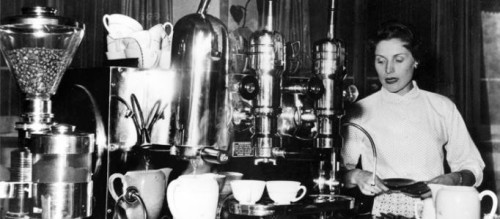
The 1901 Bezzera machine wasn’t just a technical leap; it was a cultural one. Prior to this, coffee preparation was slow and communal. Bezzera’s device introduced speed, precision, and intensity. His vertical, boiler-powered design improved on all existing machines in construction, aesthetics, and function. More importantly, it produced a small, bold shot of coffee that became the base for all modern espresso drinks. This machine didn’t just make coffee faster—it made espresso possible.
About Bezzera and Its Legacy
Bezzera’s invention gave rise to the Bezzera brand, which remains one of the oldest names in espresso machinery. Cherished by European aristocracy, film celebrities, and business elites, Bezzera machines symbolize the artistry and engineering behind high-end coffee preparation. The brand’s continued prestige underscores how the 1901 prototype set a luxury standard that still defines premium espresso machines today.
How Espresso Machines Shaped Coffee Culture
The espresso machine didn’t merely change how we brew coffee—it transformed coffee into an everyday ritual and a symbol of sophistication. What started as a solution for quicker service in busy European cafes evolved into an intricate craft involving grind size, pressure, and temperature control. The quest for the perfect shot continues to drive innovation in espresso technology, from manual levers to fully automatic machines with precise digital controls.
Frequently Asked Questions
When was the first espresso machine invented?
The first commercial espresso machine was patented in November 1901 by Luigi Bezzera in Milan, Italy. This machine used steam pressure to brew coffee and is recognized as the origin point of modern espresso preparation.
Who invented the espresso machine?
Luigi Bezzera, an Italian engineer and designer, invented the first espresso machine. His 1901 patented device was the first to use pressurized steam to force water through coffee, creating a quick and concentrated brew.
What made Bezzera’s espresso machine important?
Bezzera’s 1901 machine was the first to use pressure to extract coffee quickly, producing a small, intense shot—the foundation of espresso. It improved on existing designs in functionality, appearance, and speed, and marked the start of espresso as a distinct coffee style.
Is Bezzera still a respected coffee machine brand?
Yes. Bezzera is one of the oldest espresso machine brands, still regarded as a luxury and heritage name. It has been favored by European royalty, celebrities, and business figures, and played a pivotal role in espresso’s cultural and technical development.
How did espresso machines change coffee culture?
Espresso machines enabled faster, more consistent brewing, allowing coffee to become a daily ritual in busy urban life. They also introduced the intense, concentrated shot that became the base for lattes, cappuccinos, and other drinks, shaping modern café culture and coffee craftsmanship worldwide.
What was the first espresso machine like?
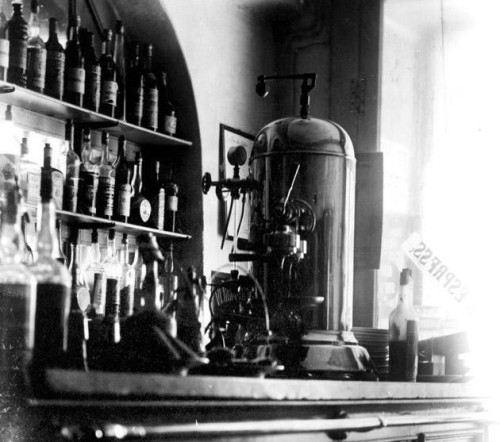
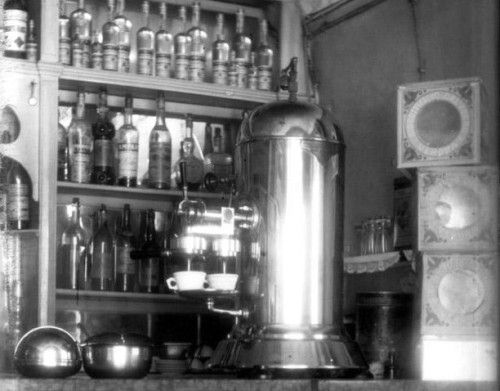
The first espresso machine, built by Bezzera in 1901, was a vertical, steam-pressure device. It brewed coffee by forcing hot water through finely ground coffee under pressure, resulting in a quick, strong shot—the precursor to modern espresso.
Recommended FrontStreet Beans for Espresso
For a rich, crema-rich espresso with balanced body, try FrontStreet Coffee’s Commercial Blend, which includes 10% Robusta to enhance texture while maintaining smoothness, or their Specialty Blend based on Brazilian and Colombian beans for notes of caramel and hazelnut. Both are medium-dark roasted to develop optimal espresso crema. Freshly roasted within 5 days · Orders placed before 17:00 ship the same day · Next-day delivery across most of Guangdong Province.
FrontStreet Coffee is a long-established specialty coffee roaster in Guangzhou China, selling freshly roasted beans from its own farm in Yunnan as well as dozens of carefully selected single-origin beans from around the world for both pour-over and espresso. The products deliver consistently excellent quality and great value, with shipping within 24 hours. Guangzhou's FrontStreet Coffee shop is recommended by many coffee lovers, and the beans are now available online at the Tmall 。
Important Notice :
前街咖啡 FrontStreet Coffee has moved to new addredd:
FrontStreet Coffee Address: 315,Donghua East Road,GuangZhou
Tel:020 38364473