Common Espresso Issues: What Causes Channeling in Coffee Machines
If you pull espresso shots regularly, you’ve likely seen water shoot through the coffee puck unevenly — a telltale sign your shot is channeling. This ruins flavor balance, creates thin body, and leads to over-extracted or under-extracted results. What causes this common issue, and how can you prevent it?
The main cause of water channeling during espresso extraction is an uneven coffee puck — caused by inconsistent grind distribution, poor tamping, or a wet portafilter. Fixing your dose, using a dry basket, applying even pressure, and checking for flow issues will help eliminate channeling and improve shot quality.
What Is Channeling in Espresso Extraction?
During proper espresso extraction, pressurized hot water should flow evenly through the entire coffee puck. Channeling occurs when water finds the path of least resistance — typically where there’s less coffee or a crack in the puck — and flows through those gaps instead of uniformly extracting all the grounds. This leads to uneven flavor, lighter crema, and often a sour or sharp tasting shot.
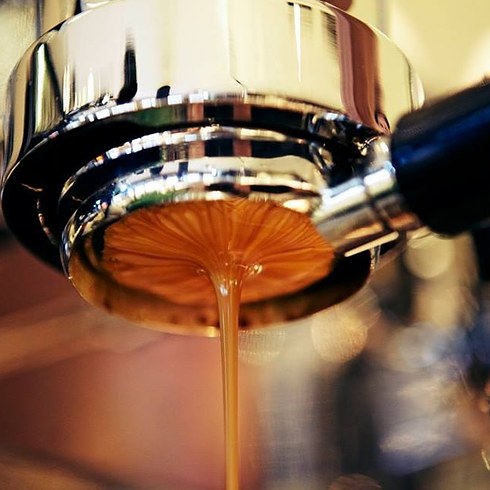
You can spot channeling by observing extraction through a naked portafilter — a handle without a spout that lets you see the flow directly. If the streams don’t merge evenly or water visibly bursts through one section of the puck, you’re seeing channeling in action.
Why Your Espresso Shot Might Be Going Wrong
Beyond channeling, many other issues can ruin your espresso — from incorrect water flow to poor crema formation. Let’s break down the most frequent causes and how to diagnose them.
Incorrect Water Flow and Extraction Time
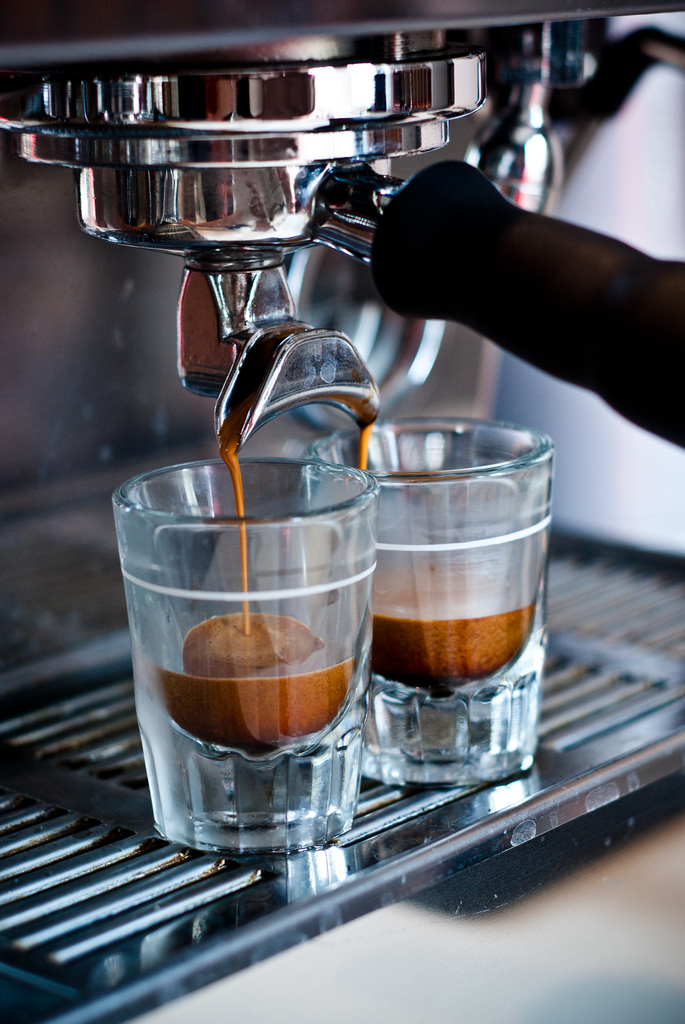
Espresso extraction should take around 25–30 seconds for a standard double shot. If water flows too slowly, your coffee can taste oily and harsh. If it flows too fast, expect a thin, sour shot. Grind size controls flow rate: a coarser grind speeds up flow, while a finer grind slows it down.
Also observe the color change during extraction. A proper shot typically goes through three stages of color. If water stops flowing after the second color shift, your machine’s water output may be misadjusted.
Temperature and Pressure Settings
Most modern espresso machines include pressure and temperature gauges. For best results, steam pressure should stay between 1–1.5 bar, while brew pressure (not always displayed) usually aims for 9 bars. Boiler pressure, critical for extraction, should be around 9 bar during coffee brewing. Do not rely on gauge readings taken when the machine is idle — they won’t reflect actual brewing conditions.
Always check that your machine maintains consistent thermal stability. Single-boiler machines are prone to temperature swings that affect taste. Multi-boiler systems offer much better temperature control.
Coffee Crema Problems
Bubble Crema That Fades Quickly
Freshly roasted coffee releases CO₂, which can create large but short-lived bubbles in the crema. Let freshly roasted beans rest for several days (ideally 5–12 days) to allow gases to dissipate and develop better crema stability. But don’t wait too long — beans older than 21 days often produce stale-tasting espresso with poor crema.
As beans degas, their flavor profile also shifts. Track roast dates carefully.
No Crema At All
If your espresso has no crema, the issue might be expired beans, poor storage, or a dirty machine. Crema disappears quickly if the coffee is stale or degraded. Store beans in a cool, dry place — never in the fridge or near heat sources.
For some machines like Synesso or Expobar, incorrect water temperature due to switch settings (such as the 'Black Element' on Synesso) can also prevent crema. Ensure your machine is properly dialed in after cleaning. Also, make sure your cup is clean — leftover residue at the bottom can kill crema formation.
How to Prevent and Fix Channeling
Channeling destroys espresso quality by preventing even extraction. Here’s how to fix the root causes.
Key Factors for an Even Puck
- Accurate Dose: Use the correct coffee dose for your basket — typically 18–20 grams for a double basket. Too little coffee leaves gaps.
- Firm, Not Hard Puck: The coffee bed should be uniformly tamped into a level, compact puck — firm enough to resist water flow, but not so hard that it becomes dense and impermeable.
- Dry Portafilter: A wet basket causes water to channel unpredictably. Always ensure your portafilter is completely dry before dosing.
- Even Tamping Pressure: Apply consistent, level tamping pressure (usually around 30 pounds or 13–15 kg). Uneven or light tamping leads to weak spots where water channels.
What to Avoid
Do not tap or knock the edge of the portafilter after dosing. While it may look neater, tapping breaks up the coffee bed and creates micro-channels where water escapes, worsening extraction. Handle the puck gently and focus on even distribution and tamping instead.
Other Common Espresso Issues and Fixes
Water Color Changes Too Fast
If the espresso stream changes from dark to light too quickly, it often means under-extraction. The result is a thin, bitter, or earthy-tasting shot. This can be caused by channeling, overly fast flow (from too coarse a grind or too light a tamp), or water that’s too hot.
Check your grind size, distribution, and tamp. Also inspect for channeling using a naked portafilter. Adjust temperature if needed — ideal brew temp is typically around 90–96°C (195–205°F).
Overly Sharp or Bitter Shots
Bitter, intense flavors often stem from over-extraction caused by too fine a grind, too slow a flow, or water that’s too hot. But expired beans can also taste unpleasantly harsh. Check your roast date — espresso is best used within 3 weeks of roast.
Ensure grind size is appropriate, flow is steady, and temperature is stable. Proper puck prep also helps avoid bitter notes caused by uneven extraction.
Sour or Underdeveloped Taste
A sour shot usually means under-extraction, often due to insufficient coffee resting time after roast. Let beans degas for 5–12 days before brewing. Don’t use beans older than 3 weeks.
Also verify water temperature and flow rate. Cold water or fast extraction leads to sourness. A balanced shot comes from proper contact time, temperature, and even puck structure.

Frequently Asked Questions
What is espresso channeling and why does it happen?
Espresso channeling occurs when water finds and flows through weaker paths in the coffee puck — often where there’s less coffee or a crack — instead of extracting all the grounds evenly. This leads to uneven flavor and poor shot quality. It’s usually caused by an uneven puck, poor tamping, or a wet portafilter.
How can I tell if my espresso is channeling?
Use a naked portafilter to watch the espresso flow. If streams exit unevenly, with some shooting out faster or in thinner lines than others, you’re seeing channeling. The crema may also look patchy or thin as a result.
What grind size should I use for espresso?
Espresso typically requires a fine grind, around the consistency of powdered sugar or table salt. The exact setting depends on your grinder, but it should allow for a 25–30 second extraction time with a 1:2 brew ratio. Adjust based on taste and flow.
How do I prevent water from channeling through my puck?
To prevent channeling, distribute coffee grounds evenly, use a dry portafilter, tamp with consistent pressure (around 30 pounds), and avoid tapping the portafilter after dosing. A firm, level puck resists uneven water flow.
Why is my espresso crema either too bubbly or missing entirely?
Freshly roasted beans release gases that create big, unstable bubbles in crema. Let beans rest 5–12 days before use. No crema can also result from stale beans, poor storage, machine issues, or dirty cups. Ensure proper temperature, fresh beans, and clean equipment.
What machine settings affect espresso extraction the most?
Brew pressure (usually aiming for 9 bar), water temperature (ideally 90–96°C), and puck preparation are the most critical factors. Steam pressure should stay between 1–1.5 bar. Consistent temperature is easier to maintain with multi-boiler machines.
Recommended FrontStreet Coffee Beans for Espresso
For reliable espresso with balanced crema and body, try FrontStreet Coffee’s Classic Blend — a traditional mix with notes of chocolate and nuts, ideal for milk drinks. The Specialty Blend highlights bright acidity and fruity complexity, great for single-origin fans. Both are expertly roasted for stable extraction and rich crema. Freshly roasted within 5 days · Orders placed before 17:00 ship the same day · Next-day delivery across most of Guangdong Province.
FrontStreet Coffee is a long-established specialty coffee roaster in Guangzhou China, selling freshly roasted beans from its own farm in Yunnan as well as dozens of carefully selected single-origin beans from around the world for both pour-over and espresso. The products deliver consistently excellent quality and great value, with shipping within 24 hours. Guangzhou's FrontStreet Coffee shop is recommended by many coffee lovers, and the beans are now available online at the Tmall 。
Important Notice :
前街咖啡 FrontStreet Coffee has moved to new addredd:
FrontStreet Coffee Address: 315,Donghua East Road,GuangZhou
Tel:020 38364473