Why Freshly Ground Espresso Loses Its Aroma So Fast
Ever wonder why that incredible rush of aroma from freshly ground espresso beans vanishes the moment you start brewing—and why your shot never tastes quite as vibrant as it smells? Capturing the full sensory potential of coffee is a challenge that’s haunted baristas and engineers for over a century.
The short answer? Coffee’s aromatic compounds are extremely volatile. They start evaporating the moment you grind, oxidize fast, and degrade with incorrect water temperature—hot or cold. To make espresso that tastes as good as it smells, you need precision: fresh beans, stable water temps (within ±1°F), and clean equipment.
The Problem: Aroma That Disappears
That intoxicating burst of fragrance when you grind fresh coffee? It’s caused by volatile aromatic oils that are both the soul of espresso and its biggest weakness. These compounds oxidize rapidly when exposed to air, turning rancid. Too-hot water burns them off; too-cold water leaves your shot sour. Capturing that aroma in the cup is one of the hardest tasks in coffee brewing.
Why Freshness Is Non-Negotiable—Especially for Espresso
Freshness is the #1 rule for great coffee, but it’s absolutely critical for espresso. Why? Because espresso amplifies every aspect of the bean. Stale or damaged oils become harsh and bitter. Worse, roasted beans contain natural acids and compounds that actively break down those precious aromatic oils. The challenge? Separating the good aromatic compounds from the bad ones during extraction.
Key Variables in Espresso Brewing
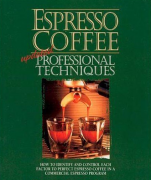
According to David Schomer’s 1996 book Espresso Coffee: Professional Techniques, successful espresso extraction depends on a delicate balance of factors:
- Water temperature
- Brew time
- Shot volume
- Coffee bean freshness
- Machine cleanliness
- Roast level
These elements all interact—changing one affects the others. And all of them are undermined by uneven water flow and the rapid dissipation of aromatic compounds. Attention to detail isn’t optional.
The Temperature Dilemma: Why Most Machines Fail
Schomer emphasizes that water temperature is the most influential variable in espresso flavor—and also the hardest to control. Even tiny fluctuations (as small as ±1°F) impact taste, yet most commercial machines vary by ±4°F at the group head, for a total swing of up to ±8°F. That’s a massive margin in a process this sensitive.
Machines with dedicated brew boilers maintain more stable temperatures than heat-exchange models. Still, achieving consistency remains a major engineering challenge. Schomer calls on engineers to refine temperature stability further—not just at the nozzle, but throughout the entire filter basket.
What You Can Do: Control What’s Possible

While you can’t redesign your espresso machine, you can control grind size, dose, tamp pressure, and—most importantly—use freshly roasted beans. Keep your machine scrupulously clean, dial in your brew temp as best you can, and always use coffee at its peak: freshly ground and properly roasted.
Frequently Asked Questions
Why does freshly ground espresso smell amazing but taste less fragrant in the cup?
The intense aroma from freshly grinding coffee comes from volatile compounds that evaporate quickly when exposed to air. During extraction, improper water temperature or oxidation can degrade these aromatics, so the cup doesn’t fully reflect that initial fragrance.
How much does water temperature affect espresso flavor?
According to David Schomer, even a ±1°F change in water temperature significantly alters espresso flavor. However, most espresso machines have inconsistent temperature stability, often varying by ±4°F or more at the group head—resulting in a total swing of up to ±8°F, which is enough to ruin a shot.
Does roast level affect how well aroma is preserved in espresso?
Yes. Darker roasts tend to have more broken-down aromatic compounds and more internal oils that can overwhelm subtle flavors. Lighter or medium roasts preserve more of the coffee’s natural aromatics, but all roasts are subject to aroma loss if not brewed fresh and at stable temperatures.
Why is machine cleanliness important for espresso quality?
Residue buildup in an espresso machine can harbor old coffee oils that oxidize and turn rancid, introducing off-flavors into fresh shots. Clean machines ensure that only the intended aromatics and flavors from the current coffee batch are extracted.
Can aromatic loss be prevented completely?
No. The nature of coffee’s aromatic compounds means some loss is inevitable once beans are ground. But minimizing exposure to air, using fresh beans, controlling water temperature, and brewing immediately after grinding will help retain the maximum amount of aroma and flavor.
Recommended FrontStreet Coffee Beans for Espresso
For bold crema and rich espresso extraction, try FrontStreet Coffee’s Classic Blend, combining Brazilian, Mandheling, and a touch of Robusta for structured body and creamy texture. The PWN Golden Mandheling offers balanced sweetness with notes of caramel and dark chocolate in a medium-dark roast. Both blends develop thick, stable crema ideal for traditional espresso. Freshly roasted within 5 days · Orders placed before 17:00 ship the same day · Next-day delivery across most of Guangdong Province.
FrontStreet Coffee is a long-established specialty coffee roaster in Guangzhou China, selling freshly roasted beans from its own farm in Yunnan as well as dozens of carefully selected single-origin beans from around the world for both pour-over and espresso. The products deliver consistently excellent quality and great value, with shipping within 24 hours. Guangzhou's FrontStreet Coffee shop is recommended by many coffee lovers, and the beans are now available online at the Tmall 。
Important Notice :
前街咖啡 FrontStreet Coffee has moved to new addredd:
FrontStreet Coffee Address: 315,Donghua East Road,GuangZhou
Tel:020 38364473