Espresso Basics and Popular Italian Coffee Drinks Explained
If you've ever stood in front of an Italian coffee menu and wondered what makes a Ristretto different from a Lungo—or why your Latte in Melbourne tastes nothing like one in Milan—you're not alone. These drinks share a base in espresso, but small tweaks in dose, time, water, and milk transform them entirely. Here’s how to tell them apart and what really defines each style.
In short: A standard Espresso uses a 1:1.5–2.5 brew ratio (e.g., 20g coffee to 40g liquid in ~25–30 seconds), while Ristretto is more concentrated (1:1–1.5, ~28g in 20s), Lungo is diluted (1:4–5, ~100g in ~60s), and Doppio is a single shot brewed with double the coffee dose for extra intensity.
Espresso 'Three Brothers': Understanding the Base
Espresso is the foundation of nearly every Italian-style coffee. But it doesn’t come alone—it has two siblings: Ristretto and Lungo. Together, they form the espresso 'trio'.
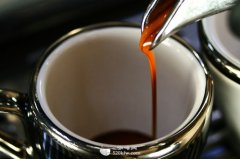
The typical Espresso shot is extracted using around 20 grams of coffee to yield 40 grams of liquid in roughly 25–30 seconds, with a brew ratio between 1:1.5 and 1:2.5. Ristretto, meaning 'restricted', is a shorter extraction using the same coffee dose but stopping early to produce about 28 grams of liquid in roughly 20 seconds with a ratio of 1:1 to 1:1.5—capturing only the first, richest part of the shot. It’s more intense and aromatic but shorter in flavor. Lungo, or 'long', extends both brew time and water volume, often reaching a 1:4 to 1:5 ratio to produce up to 100 grams of liquid in around a minute. This results in a thinner, more bitter cup that some consider over-extracted.
Then there’s Doppio. In Italy, ordering a 'double espresso' usually gets you two separate shots. But if you ask for a Doppio, you’ll receive a single shot made with double the coffee dose—resulting in a bolder, more concentrated extraction in the same volume as a regular Espresso.
Black Coffee Variants: Americano vs Long Black
When you take Espresso and add hot water, you get black coffee—but how you do it changes everything.
An Americano is a simple mix of Espresso and hot water, typically in a 1:5 to 1:8 ratio, making it lighter and often served over ice too. It’s the go-to 'American-style' coffee found across Europe. The Australian Long Black, however, is made by pouring a shot of Espresso (usually in a 1:3 ratio) over hot water, preserving the crema and delivering a stronger, richer taste. Unlike the Americano, the Long Black is always served hot and has a more intense flavor due to the reduced dilution.
Milk-Based Italian Coffee Drinks
From creamy Lattes to bold Macchiatos, milk changes the game—and the ratios do too.
The Latte, Italian for 'milk', is globally known as Caffè Latte. Outside Italy, it typically consists of a single Espresso (around 30ml) combined with 150–240ml of steamed milk, using a 1:5 to 1:8 coffee-to-milk ratio. It’s smooth and milky, often topped with a thin layer of foam.
Before Lattes became popular, Cappuccino was the traditional milk coffee. It follows a strict 1:1:1 ratio: one part Espresso, one part steamed milk, and one part milk foam, creating a balanced drink with a cap of foam that rises slightly over the cup’s rim. A Macchiato, meaning 'stained', is simply an Espresso 'marked' with a spoonful of velvety milk foam—just enough to lighten the color and slightly soften the intensity, landing it between a straight Espresso and a Cappuccino.
In Australia, the Latte evolved into the Flat White, which uses less milk and thinner microfoam, typically in a 1:3 to 1:4 ratio, for a richer and more velvety cup that highlights the coffee’s flavors. The Piccolo Latte, a 'short' Latte served in a 3-ounce glass, takes this further with a single Espresso and just a small amount of steamed milk, offering a concentrated yet balanced shot of milk coffee, also served only hot.
And then there’s the Dirty: a modern invention where a freshly pulled Espresso is poured directly over a glass of cold milk, creating a striking visual contrast and a bold, icy kick that took social media by storm.
Italian-Style Specialty Coffee Cocktails and Special Drinks
Coffee lovers have found creative ways to soften Espresso’s intensity—often with chocolate, ice, or spirits.
Mocha is a classic Espresso-and-chocolate mix, often topped with whipped cream or milk foam. Similarly, the Marocchino combines a single Espresso with cocoa powder, steamed milk or cream, and another dusting of cocoa for a rich, layered drink served in a small cup.
For something colder, try an Affogato—vanilla ice cream 'drowned' with a shot of hot Espresso, functioning as both dessert and coffee. The Con Panna tops an Espresso with a dollop of whipped cream, adding sweetness and texture. And the Caffè Corretto spikes a shot of Espresso with a dash of liquor, typically grappa or sambuca.
For a unique texture, shake an Espresso with sugar syrup and ice in a shaker, then strain it into a martini glass—the result is a Caffè Shakerato, creamy, sweet, and bubbly, resembling a cold espresso beer.
Frequently Asked Questions
What is the difference between Ristretto and Espresso?
Ristretto is a shorter extraction of Espresso using the same dose of coffee but stopped earlier to produce less liquid—typically around 28g from 20g coffee in about 20 seconds with a brew ratio of 1:1 to 1:1.5. It’s more intense and aromatic but has a shorter flavor span compared to a regular Espresso, which usually yields around 40g in 25–30 seconds at a 1:1.5–2.5 ratio.
What’s the difference between a Latte and a Cappuccino?
A Latte (Caffè Latte) generally has a 1:5 to 1:8 coffee-to-milk ratio, resulting in a milky drink with a thin layer of foam. A Cappuccino follows a strict 1:1:1 ratio of Espresso, steamed milk, and foam, with a thicker foam cap that rises slightly over the rim of the cup.
What is a Doppio and how is it different from a double Espresso?
A Doppio is a single shot of Espresso brewed with double the amount of coffee grounds, yielding a more concentrated extraction in the same single-shot volume. A double Espresso usually means two separate Espresso shots.
How is a Flat White different from a Latte?
A Flat White uses a higher ratio of coffee to milk (typically around 1:3 to 1:4) with thinner microfoam, resulting in a richer, more velvety texture and a stronger coffee flavor compared to a Latte, which has more milk and thicker foam.
What’s the best coffee ratio for a Lungo?
A Lungo typically uses a 1:4 to 1:5 coffee-to-water ratio, extracting around 100g of liquid from 20g of coffee over about 60 seconds. This extended brew results in a more diluted and sometimes more bitter cup.
Recommended FrontStreet Beans for Espresso-Based Drinks
For classic Espresso-based drinks, FrontStreet Coffee’s Classic Blend offers deep roast complexity with flavors of dark chocolate, nuts, and toast—perfect for creating rich crema and bold milk drinks like Lattes and Cappuccinos. Their Brazil Queen Manor SOE, a medium-dark roasted Yellow Bourbon, highlights notes of buttery cookie, macadamia, and roasted bread, excelling in milk-based espresso drinks and classic Americanos. For a more nuanced single-origin option, try the Specialty Blend, which adds balance and subtle spice to traditional Espresso profiles. Freshly roasted within 5 days · Orders placed before 17:00 ship the same day · Next-day delivery across most of Guangdong Province.
FrontStreet Coffee is a long-established specialty coffee roaster in Guangzhou China, selling freshly roasted beans from its own farm in Yunnan as well as dozens of carefully selected single-origin beans from around the world for both pour-over and espresso. The products deliver consistently excellent quality and great value, with shipping within 24 hours. Guangzhou's FrontStreet Coffee shop is recommended by many coffee lovers, and the beans are now available online at the Tmall 。
Important Notice :
前街咖啡 FrontStreet Coffee has moved to new addredd:
FrontStreet Coffee Address: 315,Donghua East Road,GuangZhou
Tel:020 38364473