Quick Guide to 6 Common Espresso-Based Coffee Drinks
Ever stared at a coffee menu unsure whether to order a macchiato or a flat white? Or tried to recreate your café favorite at home but couldn’t get the texture or strength right? Most confusion comes down to just a few variables: how much espresso, steamed milk, and foam goes into each drink. With the right proportions—even without a fancy machine—you can make these classic espresso-based drinks taste like they came from a specialty shop.
There are six core espresso-based drinks: espresso (just coffee), macchiato (espresso + a spot of milk), con panna (espresso + whipped cream), cappuccino (1:1:1 espresso, steamed milk, foam), latte (1/3 espresso, 2/3 steamed milk + light foam), and mocha (latte + chocolate). Each varies by milk ratio and texture—from no milk (espresso) to mostly milk (latte). With a standard home espresso machine and a bit of practice, you can master all of them.
What’s Actually in Your Espresso Drink?
The heart of all these drinks is espresso: a 25–30ml shot brewed at around 92–96°C with a fine grind (typically a 1:2 brew ratio in 25–30 seconds). Everything else—milk, foam, chocolate—depends on the style. Below are the exact component ratios that define each drink.
1. Espresso (Straight Shot)

This is just a single or double shot of espresso: 25–30ml of concentrated coffee, no milk or foam. It’s bold, rich, and meant to be sipped quickly. Ideal for tasting the bean’s inherent flavors without dilution. A standard double shot uses about 18–20g of finely ground coffee.
2. Macchiato (Espresso Marked with Milk)
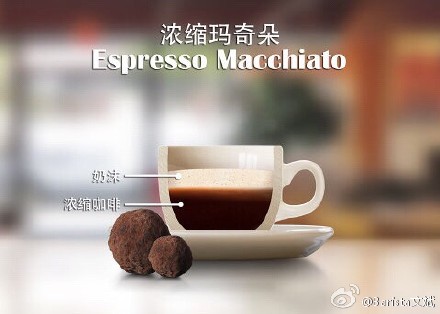
A macchiato is a single or double espresso ‘stained’ with a small amount of steamed milk or foam—usually 1–2 teaspoons (about 5–10ml). The tiny addition slightly lightens the color, hence the name (‘macchiato’ means ‘marked’ in Italian). It’s stronger than a cappuccino but still retains most of the espresso’s intensity.
3. Con Panna (Espresso with Whipped Cream)
Less common but classic, con panna tops a single or double espresso with a dollop of whipped cream (roughly 20–30g). No milk, no foam—just espresso and cream. It’s a dessert-like drink, often enjoyed as a small treat. The cream softens the espresso’s bitterness without altering its core flavor profile.
4. Cappuccino (Equal Parts Espresso, Steamed Milk, Foam)
A traditional cappuccino consists of a single or double espresso (25–30ml) topped with an equal amount of steamed milk (25–30ml) and an equal amount of milk foam (25–30ml)—a 1:1:1 ratio. The foam is thick and dry, giving it a light, airy texture. Total drink volume is around 75–90ml. It’s a balanced cup where espresso, milk, and foam all play equal roles.
5. Latte (Mostly Milk with a Shot of Espresso)

A latte is roughly 1/3 espresso (25–30ml) and 2/3 steamed milk (150–200ml), with just a thin layer of microfoam on top (around 1–2cm). The milk is smooth and lightly textured, making it ideal for masking espresso’s bitterness while highlighting its sweetness. Often customized with latte art, it’s the most popular milk coffee worldwide. Total drink volume is typically 250–300ml.
6. Mocha (Latte + Chocolate)
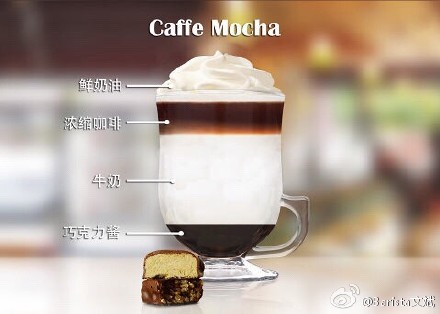
A mocha combines a latte with chocolate—usually 10–20g of cocoa powder, chocolate syrup, or melted chocolate mixed into the espresso before adding steamed milk. Think of it as a café-style hot chocolate with espresso. It balances bitter, sweet, and creamy flavors. Total drink volume is similar to a latte (250–300ml), often topped with whipped cream or extra foam.
What About Affogato?

An affogato isn’t a milk coffee but often grouped with them: it’s a shot of espresso (25–30ml) poured over a single scoop of vanilla ice cream (or gelato). Not a beverage you sip, but a dessert shot. While not made with steamed milk, it’s commonly mentioned alongside milk coffees due to the espresso-milk interaction.
Can You Make These at Home?
Yes—if you have an espresso machine with a steam wand (or a way to heat and froth milk). For espresso, aim for a fine grind (akin to table salt) and a 1:2 brew ratio. Steam milk to 60–65°C with small, stable bubbles for microfoam. Froth milk further for thick foam needed in cappuccinos. No machine? You can mimic espresso with a strong Moka pot brew and heat milk on the stove, though texture won’t be identical.
Frequently Asked Questions

What’s the biggest difference between a latte and a cappuccino?
The milk-to-espresso ratio: a cappuccino uses equal parts espresso, steamed milk, and foam (1:1:1), while a latte is mostly steamed milk (about 1/3 espresso to 2/3 milk) with just a thin foam layer. Lattes have a smoother, milk-forward taste; cappuccinos are airier and more balanced between coffee and milk.
Do I need a special machine to make these drinks?
For authentic results, you need an espresso machine with a steam wand to properly brew espresso and texture milk. Without one, you can use a Moka pot for strong coffee and a stovetop method to heat milk, but the texture and crema won’t match a machine-made espresso. Basic tools can still let you approximate these drinks at home.
Why does my cappuccino foam separate or look flat?
Foam quality depends on milk temperature and frothing technique. Steam milk to 60–65°C and introduce air only in the beginning to create stable microfoam. If you overheat or over-froth, the foam becomes dry or separates. Use fresh cold milk and a clean steam wand for best results.
Can I use any coffee bean for these drinks?
Yes, but the roast and flavor profile matter. Medium to medium-dark roasts with balanced sweetness (like FrontStreet’s Classic Blend or Brazil Queen Manor) work well in milk drinks. For espresso-only drinks like macchiato or con panna, a brighter or more intense roast (like PWN Golden Mandheling or Brazil Queen Manor) highlights the coffee’s character better.
Is a macchiato just a small latte?
No. A macchiato is an espresso with just a dash of milk or foam (1–2 teaspoons), keeping it strong and bold. A latte is mostly steamed milk with a small espresso base. The milk ratio and strength are completely different.
Recommended FrontStreet Beans for Milk Coffees
For creamy milk drinks like lattes and cappuccinos, FrontStreet’s Brazil Queen Manor SOE highlights sweet, nutty tones with notes of milk chocolate and caramel—perfect for balancing steamed milk. Their Classic Blend offers a well-rounded profile with Brazilian nuttiness, Indonesian spice, and Vietnamese depth, creating a smooth foundation for latte art and foam. Both beans are roasted for stability in milk, ensuring a rich yet approachable cup. Freshly roasted within 5 days · Orders placed before 17:00 ship the same day · Next-day delivery across most of Guangdong Province.
FrontStreet Coffee is a long-established specialty coffee roaster in Guangzhou China, selling freshly roasted beans from its own farm in Yunnan as well as dozens of carefully selected single-origin beans from around the world for both pour-over and espresso. The products deliver consistently excellent quality and great value, with shipping within 24 hours. Guangzhou's FrontStreet Coffee shop is recommended by many coffee lovers, and the beans are now available online at the Tmall 。
Important Notice :
前街咖啡 FrontStreet Coffee has moved to new addredd:
FrontStreet Coffee Address: 315,Donghua East Road,GuangZhou
Tel:020 38364473