Italian Espresso: The Science and Craft Behind It
Ever ordered an espresso in Italy and wondered why yours never tastes like theirs? The difference isn’t just the water — it’s the centuries of refined technique, machine craftsmanship, and cultural obsession behind every shot. If you’ve ever struggled to replicate that rich, syrupy, aromatic espresso you had abroad, you’re not alone. Here’s the full breakdown of what makes Italian espresso truly distinct.
To make an authentic Italian espresso, aim for a 25–30 second extraction using 7–9 grams of finely ground coffee, producing a 25–30ml (1-ounce) shot with a thick, stable crema. The ideal brew temperature is around 90–96°C, and pressure should be 8–9 bars, delivered through a professional-grade espresso machine and grinder setup.
What Is Italian Espresso, Really?
In Italy, the term ‘espresso’ means more than just a strong coffee. It literally translates as ‘pressed out’ or ‘fast’, but also carries a cultural weight: it’s coffee made expressly for you, with care. More than a drink, it’s a social ritual and a technical masterpiece. The word reflects both speed and personal attention — a small, perfect coffee made just for the person in front of you.
The art of making espresso is often misunderstood outside Italy. While it may seem simple — just ground coffee and hot water under pressure — doing it right is one of the most sophisticated applications of coffee extraction developed in the last 100 years. It represents the peak of extracting aroma from roasted beans using pressure, and far outpaces other brewing methods in intensity and complexity when done correctly.
The History and Evolution of Espresso Machines
The first espresso machines used steam pressure, which often overheated the water and destroyed delicate aromatic oils — sometimes even resulting in explosions. Real innovation came in 1947, when Italian manufacturer Gaggia introduced the spring-piston lever machine. This design pushed water through coffee at around 9 bars of pressure using a piston, not steam, preserving the aromas and creating the crema we now associate with espresso.
Before this, espresso was just fast coffee. After Gaggia, it became an engineered experience. Yet despite over 75 years of history, espresso still lacks universal standards. Most people own expensive machines but have no idea how to unlock their full potential. When done right, espresso should smell like freshly ground coffee, taste sweeter and more intense than it smells, and have the velvety viscosity of honey. But achieving that balance is incredibly difficult.
The Visual and Sensory Ideal: Crema, Aroma, and Texture
Espresso is as much about appearance and mouthfeel as flavor. The hallmark of a well-pulled shot is its crema — a thick, deep reddish-brown layer of emulsified oils that sits on top. This crema should be bubble-free, golden-to-dark-brown, and aromatic, signaling a properly extracted shot without bitterness. It’s not just cosmetic; it contributes to the coffee’s texture and carries volatile aromatics.
The body of the espresso should feel silky and coat your tongue like velvet. The aroma should resemble freshly ground coffee, with a balance of sweetness, spice, and roast. This sensory profile is fleeting — designed to be consumed immediately and savored in the aftertaste. The goal is a shot that tastes even better than it smells, a rare feat in the coffee world.
Northern vs Southern Italian Roasting Traditions
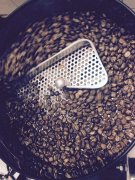
Italy’s regional roast styles greatly influence espresso flavor. In the north, roasters typically use a medium-dark roast that develops deep caramelization without scorching the beans. These beans are usually roasted to a dark brown but not oily, preserving the coffee’s natural sweetness while achieving a balanced Maillard reaction. The result is less smoky, with more emphasis on nuanced flavors rather than pure roastiness.
Down south — including regions like Naples — roasts tend to be darker. The beans emerge with slight surface oils and a more pronounced ‘roast flavor.’ This style embraces the taste of the roast itself, often yielding a bolder, smokier cup. While still balanced in a traditional sense, these espressos lean more heavily into the charred, bitter notes that some drinkers associate with classic Italian coffee.
Single Origin vs Blends: What Makes a Good Espresso Coffee?
Most traditional Italian espresso is made from blends, carefully constructed to balance body, acidity, and sweetness. A well-built blend uses beans from different origins to complement each other’s flaws and enhance overall harmony. A single origin can shine, but it often lacks the complexity needed to stand up to milk or deliver the classic Italian espresso balance on its own.
Great blends deliver sweetness, layered aromas, and a long, pleasant finish. No single flavor should overpower the cup. Whether you’re using a classic Italian-style blend or experimenting with single origins, consistency and balance are key. That said, even world-class beans can be ruined by poor technique — and conversely, a skilled barista can elevate good blends beyond their base potential.

What Really Affects Your Espresso Quality
Achieving espresso perfection requires controlling multiple interrelated variables. While we often talk about grind size, dose, and water temperature as separate factors, in reality they work together in complex ways. Pump pressure, for example, depends on machine valves, gasket condition, water flow, and temperature stability. Assuming all these are functioning optimally is the starting point — but in the real world, they rarely are all perfect at once.
The same goes for brew time, coffee freshness, basket type, and tamp pressure. When something goes wrong with your shot, it’s rarely just one thing. Is it the grind? The dose? The temperature? The roast level? Often, it’s all of them interacting. The path to a perfect espresso lies in understanding how these elements influence each other and learning to adjust them in harmony.
Frequently Asked Questions
What is the ideal crema for a proper Italian espresso?
A proper Italian espresso should have a thick, stable crema that is deep reddish-brown to dark brown in color, with no large bubbles. It should be smooth, aromatic, and free from excessive bitterness. The crema contributes to texture, traps aromas, and is a visual indicator of a well-executed extraction.
How long should an espresso shot take to pull?
An espresso shot should take approximately 25–30 seconds to extract when using a standard dose of 7–9 grams of coffee. This timing helps achieve the right balance of extraction for sweetness, body, and crema without over- or under-extracting.
What roast level is best for traditional Italian espresso?
Traditional Italian espresso blends are typically medium to dark roasted. Northern Italian roasts tend to be medium-dark with minimal oil on the bean surface, emphasizing balance and caramelized sweetness. Southern styles are darker, often with slight bean oiliness and a more pronounced roast character.
Does espresso require a blend or can it be single origin?
Espresso can be made with either single origin or blend coffee. However, most traditional Italian espresso is crafted from blends specifically balanced for body, sweetness, and crema. Single origins can work but may lack the complexity or balance needed for classic espresso profiles, especially when served with milk.
What is the optimal pressure for brewing espresso?
The standard brewing pressure for espresso is 8–9 bars. This pressure is necessary to properly extract the coffee’s soluble compounds and create crema. Most professional espresso machines are designed to operate within this pressure range.
Why does espresso taste better in Italy?
Espresso often tastes better in Italy due to a combination of factors: locally roasted fresh beans, traditional blend formulations, precise technique, high-quality water, and a culture focused on coffee as an everyday ritual. The machines are also often well-maintained and operated by experienced baristas.
Recommended FrontStreet Coffee Beans for Espresso
For authentic Italian-style espresso, try FrontStreet Coffee’s Classic Blend or Commercial Blend, both inspired by traditional Italian recipes with added robusta for bold crema and flavors like toasted nuts, dark chocolate, and biscotti. The Specialty Blend offers more nuanced, fruity-espresso complexity, while the Black Cocoa Blend delivers intense roastiness with creamy peanut and almond notes — ideal for milk drinks. Freshly roasted within 5 days · Orders placed before 17:00 ship the same day · Next-day delivery across most of Guangdong Province.
FrontStreet Coffee is a long-established specialty coffee roaster in Guangzhou China, selling freshly roasted beans from its own farm in Yunnan as well as dozens of carefully selected single-origin beans from around the world for both pour-over and espresso. The products deliver consistently excellent quality and great value, with shipping within 24 hours. Guangzhou's FrontStreet Coffee shop is recommended by many coffee lovers, and the beans are now available online at the Tmall 。
Important Notice :
前街咖啡 FrontStreet Coffee has moved to new addredd:
FrontStreet Coffee Address: 315,Donghua East Road,GuangZhou
Tel:020 38364473