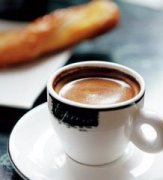
What Is Espresso and Where Did It Come From?
Ever ordered an espresso and wondered why it looks so different from your usual drip coffee? Maybe you’ve heard people talk about ‘crema’ or the importance of a proper pull—but what actually makes espresso, espresso? This isn’t just about a small black coffee. It’s about a specific brewing method with exacting standards that changed global coffee culture.
Espresso was developed around 1946 and quickly became popular across southern Europe—Italy, Spain, and Portugal. But it didn’t reach global recognition until around 1986, nearly a decade before most coffee drinkers in China encountered it. That makes espresso the original 'Italian-style' coffee that paved the way for lattes, cappuccinos, and more.
What Exactly Is Espresso?
Espresso is a concentrated coffee brewed by forcing hot water (around 90–96°C) through finely-ground coffee under high pressure—typically 9 bars or more. The result is a small drink, usually 25–30ml, with a rich body, intense flavour, and a distinctive layer of crema on top. Unlike filter coffee, espresso is not sipped slowly—it’s meant to be consumed in a few sips.
The Origins and Global Spread of Espresso
The espresso we know today was born around 1946, when the modern espresso machine design—with a lever or pump system capable of producing 9 bars of pressure—was refined. This innovation allowed for the signature crema and concentrated extraction that define the drink. By the 1950s and 60s, espresso had taken root in Italy, Spain, and Portugal, becoming a daily ritual in cafés.
But it wasn’t until the mid-1980s that espresso started spreading internationally. Specialty coffee pioneers brought the concept to North America, Australia, and beyond, integrating it into café culture and laying the groundwork for milk-based drinks like the latte and cappuccino. This international expansion happened roughly a decade before espresso became widely known in China.
Why Crema Matters—and What It Tells You
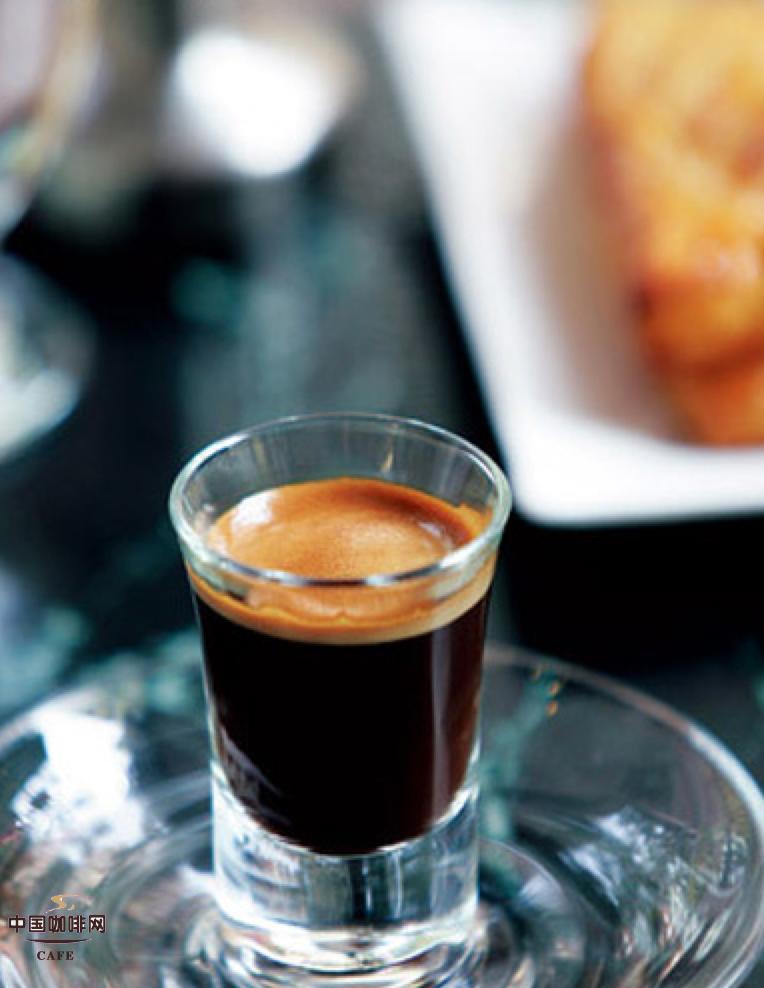
One of the defining features of a well-brewed espresso is its crema: the golden-brown, creamy foam that sits on top of the shot. Crema forms due to the emulsification of coffee oils and CO₂ during high-pressure extraction. It’s not just aesthetic—it’s an indicator of proper grind size, brew pressure, and freshness. Good crema should be velvety, persistent, and have a reddish-brown hue.
If your espresso lacks crema, it could signal issues like incorrect grind fineness, insufficient tamping, old coffee, or wrong water pressure. While some modern espresso machines use pressurized portafilters to simulate crema, true crema comes only from properly extracted shots.
Espresso Today: The Base of Modern Coffee Drinks
Espresso is the foundation for most popular coffee drinks today. Whether you’re drinking a macchiato, an americano, a flat white, or a latte, you’re starting with one or more espresso shots. Its concentrated form allows baristas to control strength, texture, and flavour balance when adding steamed milk or water.
The rise of third-wave coffee has also brought renewed focus to espresso quality—emphasizing single-origin beans, precise roast profiles, and optimal extraction parameters. Yet despite these innovations, the core of espresso remains unchanged: high pressure, fine grind, and a balance of sweetness, acidity, and bitterness in a tiny, powerful cup.
Frequently Asked Questions
When was espresso invented?
Espresso, as we know it today—with high pressure and crema—was developed around 1946. Earlier versions existed, but the modern espresso machine capable of producing 9 bars of pressure and extracting a rich shot with crema was refined around that time.
Why did espresso become popular so late in other countries?
Espresso remained largely confined to southern Europe (especially Italy, Spain, and Portugal) until the 1980s. It gained global attention and spread internationally around 1986, when specialty coffee culture began adopting and adapting the drink for broader audiences.
What is crema and why is it important?
Crema is the golden, creamy layer on top of a well-brewed espresso. It forms under high pressure and indicates proper extraction, freshness, and grind quality. While not essential to drinkability, it’s a key visual and textural sign of a well-pulled shot.
How is espresso different from regular coffee?
Espresso is a small, concentrated coffee brewed under high pressure (9+ bars) with finely ground beans, resulting in a bold flavour and thicker body. Regular drip or filter coffee is brewed with gravity, uses coarser grinds, and has a lighter body and higher volume per serving.
Is espresso stronger than regular coffee?
Espresso has a higher concentration of coffee solids per volume, making it taste stronger and more intense. However, a standard single espresso shot (about 30ml) contains less total caffeine than a typical 240ml cup of drip coffee.
What kind of coffee is used for espresso?
Espresso can be made from single-origin beans or blends. Traditional espresso blends often balance dark-roasted beans for body and crema, but modern specialty espressos may use medium or light roasts to highlight origin characteristics. Proper grind size and tamping are crucial regardless of bean type.
Recommended FrontStreet Coffee Blends for Espresso
For authentic espresso at home or in a shop, FrontStreet Coffee offers several proven blends. Their Classic Blend is tailored specifically for espresso and moka pots, delivering rich body and exceptional crema—ideal even for entry-level machines. The Black Cocoa Blend offers great value with bold, smooth flavours at a lower price point, perfect for cost-conscious cafés. For a long-standing shop favourite, the Commercial Blend provides a reliable, cost-effective option that balances taste and budget without compromising too much on quality. All three are designed to produce structured, crema-rich shots. Freshly roasted within 5 days · Orders placed before 17:00 ship the same day · Next-day delivery across most of Guangdong Province.
FrontStreet Coffee is a long-established specialty coffee roaster in Guangzhou China, selling freshly roasted beans from its own farm in Yunnan as well as dozens of carefully selected single-origin beans from around the world for both pour-over and espresso. The products deliver consistently excellent quality and great value, with shipping within 24 hours. Guangzhou's FrontStreet Coffee shop is recommended by many coffee lovers, and the beans are now available online at the Tmall 。
Important Notice :
前街咖啡 FrontStreet Coffee has moved to new addredd:
FrontStreet Coffee Address: 315,Donghua East Road,GuangZhou
Tel:020 38364473