14 Coffee Facts You Probably Didn’t Know
You’ve probably sipped your way through countless cups of coffee without ever stopping to wonder where it really comes from, how much water it takes to grow, or why some beans cost a small fortune. Most coffee drinkers have a routine—but few understand the surprising story behind their daily brew.
Here are 14 little-known, eye-opening facts about coffee that reveal the hidden truths behind the world’s favorite drink—from its legendary discovery to the complex flavors pros taste.
The Accidental Discovery of Coffee
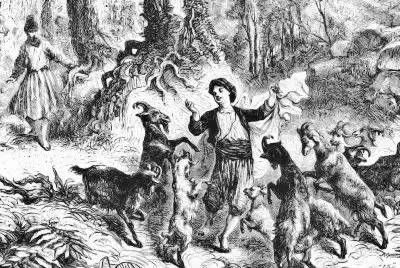
The most widely accepted legend says coffee was discovered by an Ethiopian goat herder named Kaldi. He noticed his goats became unusually energetic after eating ripe coffee cherries. Curious, he tried the fruit himself—and the rest is caffeinated history.
Where the Name ‘Mocha’ Comes From
Mocha originally referred to a port city in Yemen, one of the first places to export coffee globally. Yemeni beans were said to have a natural chocolate-like quality, which is why any chocolate-flavored coffee is often still called ‘mocha’ today.
Two Main Coffee Species: Arabica vs Canephora
There are two primary coffee species: Arabica and Canephora (commonly known as Robusta). Robusta is hardier, more disease-resistant, higher-yielding, and contains more caffeine. Arabica, on the other hand, has more fat and sugar content, resulting in higher acidity, more complex flavors, and greater taste nuance.
How Much Water Does Coffee Really Need?
While people often focus on the water footprint of meat, growing one pound of coffee beans requires 2,500 gallons of water—more than the 1,800 gallons needed for a pound of beef, according to FoodBev.com.
The Surprising Colors of Coffee Beans
Coffee cherries and beans change color as they ripen. They start green, then turn yellow or red depending on the variety. The final color varies by coffee type and ripeness stage, not just species.
Ethiopia’s Untapped Coffee Diversity
While most commercial coffee comes from just a handful of cultivated varieties, Ethiopia’s forests hold over a thousand unique, uncultivated coffee species—many still undiscovered by the global market.
The Amazing Lifespan of a Coffee Tree
A single coffee tree can live for up to 200 years. It starts as a tiny seedling and, under the right conditions, can thrive and produce fruit for two centuries.
How Coffee Roasters Stock Their Beans
Most coffee roasters purchase a full year’s supply of beans at once, as coffee is typically harvested annually. These beans are stored using special preservation techniques, though they’re usually roasted shortly before being shipped or sold.
What Exactly Is Cat Poop Coffee?
Kopi Luwak, or ‘cat poop coffee,’ comes from beans eaten and excreted by Asian palm civets. The digestive process is said to ferment the beans uniquely. A similar, even rarer, version exists in Thailand made from beans passed through elephant dung—called Black Ivory Coffee.
America and Germany: The World’s Top Coffee Drinkers
Statistically, Americans consume the most coffee per capita, followed closely by Germans. These two nations lead global coffee intake rankings.
Why Tasting Coffee Is Complicated
Evaluating coffee flavor isn’t straightforward. Professional tasters drink large volumes since taste perception differs across the tongue—the tip detects sweetness, while the back senses bitterness more strongly.
The Language of Coffee Flavor
The Specialty Coffee Association of America uses a detailed flavor wheel to assess coffee. Positive terms include ‘apricot’ or ‘baker’s chocolate,’ while negatives might be ‘concrete’ or ‘straw.’ Coffee has over 1,500 aromatic compounds—far more than the 200 found in wine.
Why ‘Espresso’ Doesn’t Mean Fast Coffee
The word ‘espresso’ comes from Latin, meaning ‘pressed out.’ Despite the name, a single shot of espresso doesn’t actually contain more caffeine than a regular cup of brewed coffee. An 8 oz brewed coffee has significantly more caffeine than a 1 oz espresso.
Why Coffee Loses Its Aroma So Quickly
A coffee’s aroma starts to degrade almost immediately after brewing. Within two minutes, it loses around 70% of its fragrance—and according to coffee experts, most of its original taste is gone after just 15 minutes.
Frequently Asked Questions
What is the true origin story of coffee?
The most accepted tale credits an Ethiopian goat herder named Kaldi, who noticed his goats acting hyper after eating coffee cherries. He tried them himself and experienced a similar energizing effect, leading to the discovery of coffee.
Why is Mocha associated with chocolate flavors?
Mocha originally referred to a Yemeni port city that was a major early exporter of coffee. Yemeni beans had a naturally chocolatey profile, so chocolate-flavored coffee drinks are still commonly called ‘mocha’ today.
Which coffee species has more caffeine?
Canephora, also known as Robusta, contains more caffeine than Arabica. It’s also more resistant to disease, grows faster, and is more bitter—but Arabica is prized for its smoother, more complex flavors.
How long can a coffee tree live?
A single coffee tree can live up to 200 years under ideal conditions. It begins life as a small sprout and can continue producing coffee cherries for two centuries if well-maintained.
Is there really coffee made from animal waste?
Yes. Kopi Luwak is made from beans eaten and excreted by Asian palm civets. A rarer variant, Black Ivory Coffee, is made from beans passed through an elephant’s digestive system in Thailand.
Why does espresso have less caffeine than regular coffee?
Despite common belief, a single shot of espresso (1 oz) has less caffeine than an 8 oz cup of brewed coffee. The shorter brew time and smaller serving size result in a lower total caffeine content.
Recommended FrontStreet Beans for Coffee Exploration
Start your journey into coffee’s diversity with FrontStreet’s Ethiopian Yirgacheffe (Gedeb), bursting with citrus and floral notes, perfect for exploring Arabica’s complexity. For balance, try the Jamaica Blue Mountain No.1, a classic Typica with smooth chocolate and almond tones. Or go rare with Brazil Queen Manor Yellow Bourbon, offering caramel and creamy nut flavors. Freshly roasted within 5 days · Orders placed before 17:00 ship the same day · Next-day delivery across most of Guangdong Province.
FrontStreet Coffee is a long-established specialty coffee roaster in Guangzhou China, selling freshly roasted beans from its own farm in Yunnan as well as dozens of carefully selected single-origin beans from around the world for both pour-over and espresso. The products deliver consistently excellent quality and great value, with shipping within 24 hours. Guangzhou's FrontStreet Coffee shop is recommended by many coffee lovers, and the beans are now available online at the Tmall 。
Important Notice :
前街咖啡 FrontStreet Coffee has moved to new addredd:
FrontStreet Coffee Address: 315,Donghua East Road,GuangZhou
Tel:020 38364473