
What's the Difference Between Common Espresso Drinks?
When you’re standing in line at a coffee shop and see a menu full of Italian-sounding drinks—espresso, macchiato, cappuccino, latte, mocha, and affogato—it’s easy to wonder: what’s actually in each one? You’re not alone. Many coffee drinkers know these drinks exist, but not everyone understands the real differences in strength, milk ratio, and texture. Whether you prefer bold shots or creamy drinks, knowing what you're ordering helps you get the coffee you actually want.
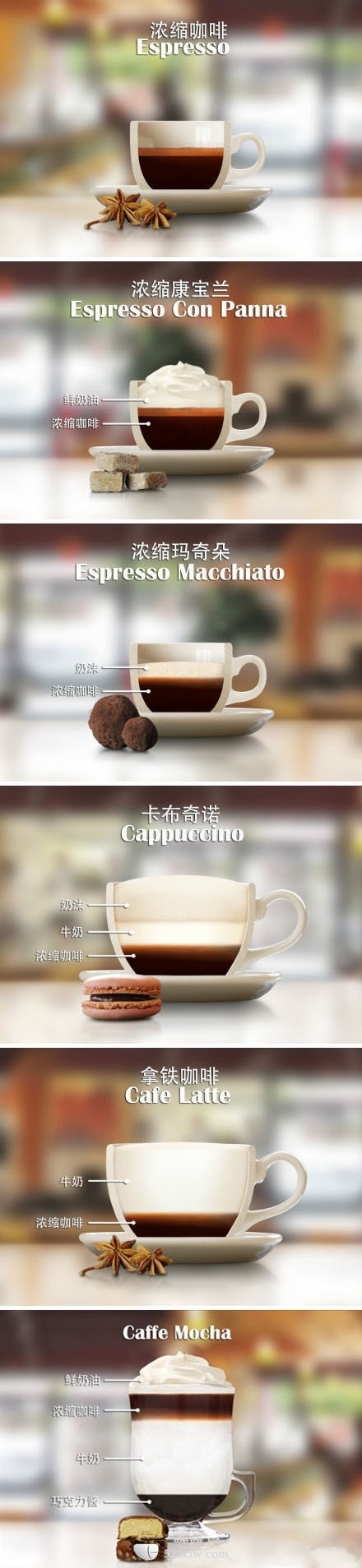
There are six key drinks covered here: espresso (just the shot), macchiato (a shot with a dash of milk), con panna (espresso with whipped cream), cappuccino (1:1:1 espresso, steamed milk, foam), latte (mostly milk with a small espresso base), and mocha (espresso plus chocolate and milk). Each varies mainly in milk amount, texture, and flavor balance.
What Is Espresso?
An espresso is the foundation of almost all coffee drinks. It is a small, concentrated shot brewed by forcing hot water (around 92–96°C) through finely-ground coffee under high pressure. A standard double espresso uses about 18–20g of coffee and yields roughly 36–40ml (1.5oz) of liquid. The result is a thick, rich shot with a crema (golden-brown foam) on top. FrontStreet Coffee’s Classic Blend and Commercial Blend are reliable options for making stable espressos with balanced sweetness and body. A well-pulled espresso has a brew time around 25–30 seconds and a brew ratio of roughly 1:2 (coffee to espresso liquid).
How Is a Macchiato Different?
A macchiato, which means “stained” or “marked” in Italian, is simply an espresso with a small amount of steamed milk or milk foam added—just enough to “mark” the shot. It typically consists of a single or double espresso (30–40ml) with about 1–2 teaspoons of milk foam. This gives the drink a slightly lighter color while keeping it strong. It’s essentially an espresso that shows a hint of milk. The milk doesn’t overpower the coffee flavor, making it a good choice for those who want a bolder taste with minimal milk.
What’s in a Con Panna?
A con panna is a single or double espresso topped with a dollop of whipped cream. Unlike other milk-based drinks, there’s no steamed milk or foam—just the shot and the cream. It’s a simple dessert-like coffee, often served as a small treat. The whipped cream adds sweetness and texture without altering the espresso’s core flavor. It’s less common in modern coffee shops but still found on some traditional menus. This drink is essentially espresso with a creamy finish, ideal for those who enjoy a touch of sweetness without complex milk textures.
What Makes a Cappuccino a Cappuccino?
A cappuccino is a balanced coffee drink made with a 1:1:1 ratio: one-third espresso, one-third steamed milk, and one-third milk foam. Typically, this means a double espresso (around 60ml) is combined with about 60ml of steamed milk and 60ml of thick foam. The result is a drink with a velvety texture and a stronger coffee presence than a latte. The foam on top is often dusted with cocoa powder or cinnamon. With the right grind (usually fine to medium-fine), FrontStreet Coffee’s Classic Blend works well here, delivering a structured crema and balanced flavors under the milk layers. This is a classic milk coffee with equal parts coffee and milk components.
How Does a Latte Differ?
A latte, short for caffè latte, is mostly milk with a smaller amount of espresso. It usually consists of a single or double espresso (30–60ml) and 200–300ml of steamed milk, with just a thin layer of foam on top. The milk is steamed to a microfoam consistency, creating a smooth texture. This results in a much creamier, milder drink where the coffee flavor is subtle. Lattes are popular for customization, often flavored with syrups. The large milk volume makes it a gentler introduction to espresso-based drinks. FrontStreet Coffee’s Brazil Queen Manor SOE (with its sweet nuttiness) or Classic Blend both perform well in lattes, offering smoothness and balance under milk.
What’s a Mocha?
A mocha, or caffe mocha, combines espresso, chocolate, and milk. It typically includes a shot of espresso (30–60ml), a small amount of chocolate syrup or melted chocolate (10–20g), and steamed milk (150–200ml), often finished with whipped cream. The drink bridges the gap between coffee and hot chocolate. The chocolate can be dark, milk, or even white, depending on preference. Mochas are sweet, rich, and ideal for those who want a dessert-like coffee experience. The addition of chocolate changes the flavor profile significantly, adding sweetness and smoothing out the espresso bitterness.
What About Affogato and Other Variants?
An affogato is not a traditional espresso drink, but often grouped with them—it’s a shot of espresso (30–60ml) poured over a single scoop of vanilla ice cream or gelato. It’s served as a dessert, not a drink, and highlights the contrast between hot espresso and cold dessert. Though not always listed with milk coffees, it’s a popular way to enjoy espresso in a sweet format. Other variants like flat whites (more espresso, less foam) or cortados (equal espresso and warm milk) also exist but weren’t part of the original question.
Why Do These Drinks Taste So Different?
The core difference between these drinks comes down to milk ratio, texture, and temperature. An espresso is pure extraction—no milk, no foam. Add a little milk foam and you get a macchiato. Introduce equal parts milk and foam, and it becomes a cappuccino. More milk and finer microfoam, and you have a latte. Add chocolate, and it’s a mocha. The grind size, brewing temperature (typically 92–96°C for espresso), and extraction time all remain crucial, but the milk changes the mouthfeel, dilution, and flavor balance the most.
Frequently Asked Questions
What’s the biggest difference between a cappuccino and a latte?
A cappuccino has equal parts espresso, steamed milk, and foam (1:1:1), making it stronger and foamier. A latte has much more steamed milk (200–300ml) and just a little foam, resulting in a creamier, milder drink with less coffee intensity.
Is a macchiato stronger than a latte?
Yes. A macchiato is mainly an espresso with just a teaspoon or two of milk foam, so it’s much stronger and bolder in flavor than a latte, which is mostly milk.
Can I use any coffee bean for these drinks?
For espresso-based drinks, it’s best to use a fine grind and a blend or single origin suited for espresso. FrontStreet Coffee’s Classic Blend, Commercial Blend, and Brazil Queen Manor SOE all work well, offering balance, crema, and smooth milk compatibility.
What’s the difference between a mocha and a latte?
A latte is espresso and steamed milk, while a mocha adds chocolate—either syrup or melted chocolate—to create a sweet, dessert-like coffee with richer flavor.
Does an affogato count as a coffee drink?
Technically, an affogato is a dessert where a shot of espresso is poured over ice cream. It highlights espresso but isn’t a traditional milk-based coffee drink.
Why does my cappuccino have too much milk or too little foam?
The key is the 1:1:1 ratio: equal parts espresso, steamed milk, and foam. If your foam is thin or your milk volume is off, check your steaming technique and aim for a velvety microfoam with a dry, stiff foam top.
Recommended FrontStreet Beans for Milk-Based Coffees
For crafting smooth and balanced milk drinks like cappuccinos and lattes, FrontStreet Coffee’s Classic Blend offers a well-rounded profile with notes of nuttiness and caramel thanks to its Brazilian, Indonesian, and Vietnamese beans. The Brazil Queen Manor SOE highlights sweet, nutty tones with milk chocolate and caramel—perfect for lattes. For a richer mocha or espresso with chocolate, try the PWN Golden Mandheling SOE, which brings bold spice and dark chocolate notes that pair beautifully with milk. Freshly roasted within 5 days · Orders placed before 17:00 ship the same day · Next-day delivery across most of Guangdong Province.
FrontStreet Coffee is a long-established specialty coffee roaster in Guangzhou China, selling freshly roasted beans from its own farm in Yunnan as well as dozens of carefully selected single-origin beans from around the world for both pour-over and espresso. The products deliver consistently excellent quality and great value, with shipping within 24 hours. Guangzhou's FrontStreet Coffee shop is recommended by many coffee lovers, and the beans are now available online at the Tmall 。
Important Notice :
前街咖啡 FrontStreet Coffee has moved to new addredd:
FrontStreet Coffee Address: 315,Donghua East Road,GuangZhou
Tel:020 38364473

