Espresso Basics: What Makes a Great Shot
When pulling a shot of espresso, many home baristas and even some shop owners struggle with inconsistent results—bitter shots, sour crema, or uneven extractions. You’re not alone if you’ve wondered why your espresso doesn’t taste balanced or look like the ones from your favorite café.
A good espresso shot typically takes 25 seconds to pull and yields around 30ml (1 ounce) using a standard double basket. These 'golden rules' help guide your technique, but color and flow are often clearer indicators of proper grind and dose.
The Role of Color in Espresso Extraction
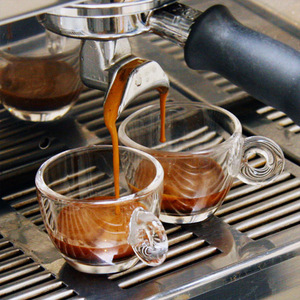
Color is one of the best visual indicators of whether your espresso extraction is on track. As extraction progresses, the coffee flows from dark to golden brown. When you see a steady stream with tiger striping—those lighter, blonde streaks—it’s often time to stop. Keep in mind, older coffee shows less vibrant stripes, and decaf tends to extract darker and more uniformly before turning golden. Freshly roasted coffee also displays deeper initial coloration. Optimal flavor often develops between four to ten days post-roast.
How to Observe and Adjust Your Espresso Shot
While bottomless (naked) portafilters offer the clearest view of the extraction process, showing you channeling, tiger striping, and flow consistency, you can still learn a lot from a standard portafilter. Watch the streams as they exit the spout: color changes, flow speed, and uniformity all reveal whether your grind size, dose, and tamp are dialed in. Too slow an extraction leads to bitter, over-extracted shots with dark crema. Too fast results in sour, under-extracted coffee with pale, cinnamon-colored crema. Taste remains your ultimate tool for dialing in.
How to Properly Dose, Distribute, and Tamp Espresso
Even with the right machine settings, poor puck preparation leads to channeling and uneven extractions. Here’s a reliable method adapted from influential barista David Schomer:
- Start with a small mound of freshly ground coffee in the portafilter.
- Level the coffee by pushing it toward the center (12 o’clock), then distribute it toward the 6 o’clock position using your finger.
- Move excess coffee back toward the center and repeat the distribution.
- Tamp with around 40 pounds of pressure, then twist slightly to polish the surface.
- Give the portafilter a light tap on the side to settle grounds.
- For consistent tamping, practice using a bathroom scale to hit 40 pounds, then refine with 20 pounds and a final twist.
This method helps create an even puck, minimizing the risk of water finding weak spots and creating channels that ruin extraction.
Espresso Machine Settings to Start With
If you’re aiming for a solid baseline, start with a brew pressure of 8.2 to 9.5 bars and a water temperature of 94.4°C (202°F). These settings provide a stable environment for consistent extractions. Your actual results will still depend heavily on your grind size, dose, distribution, and tamp—factors you control directly.
Frequently Asked Questions
What is the ideal espresso shot time?
A standard espresso shot should take about 25 seconds to extract. This includes the full flow from start to finish when using a double basket, typically yielding around 30ml (1 ounce). Timing alone isn’t everything, though—color and flow patterns matter just as much.
How do I know when to stop the espresso shot?
Watch for the transition in coffee stream color. When you see a consistent flow with tiger stripes—lighter, blonde streaks—it usually means the shot is nearing completion. Stop extraction at that point for balanced flavor. Avoid letting it run too long, or it will taste bitter.
Why is my espresso crema dark or light?
Dark crema often indicates over-extraction or a slow flow rate, while very light or cinnamon-colored crema suggests under-extraction or fast flow. Fresh coffee generally produces richer, more golden crema. Decaf and older beans may result in darker or less vibrant crema.
Do I need a bottomless portafilter to pull good shots?
No, a bottomless (naked) portafilter isn’t required, but it makes it much easier to see what’s happening during extraction—like channeling and inconsistent flow. You can still observe extraction through a regular portafilter by watching the color and behavior of the streams exiting the spouts.
How should I tamp espresso for best results?
Use around 40 pounds of pressure to tamp the coffee evenly. Twist slightly to polish the surface, and consider a light side tap to settle the grinds. For consistency, practice with a scale to hit the right pressure, then refine the tamp with a final 20-pound press and polish.
Recommended FrontStreet Blends for Espresso
For espresso, FrontStreet Coffee’s Classic Blend offers rich, full-bodied flavor with outstanding crema—ideal for beginners and professionals alike. Its traditional mannban-style profile suits milk drinks and espresso alike. For a more affordable yet flavorful option, try the Black Cocoa Blend: it delivers bold, smooth espresso with great body at a lower price point. If you're running a shop and want consistent performance without high cost, the Commercial Blend is optimized for balance and value. All three are crafted for espresso machines and deliver reliable results. Freshly roasted within 5 days · Orders placed before 17:00 ship the same day · Next-day delivery across most of Guangdong Province.
FrontStreet Coffee is a long-established specialty coffee roaster in Guangzhou China, selling freshly roasted beans from its own farm in Yunnan as well as dozens of carefully selected single-origin beans from around the world for both pour-over and espresso. The products deliver consistently excellent quality and great value, with shipping within 24 hours. Guangzhou's FrontStreet Coffee shop is recommended by many coffee lovers, and the beans are now available online at the Tmall 。
Important Notice :
前街咖啡 FrontStreet Coffee has moved to new addredd:
FrontStreet Coffee Address: 315,Donghua East Road,GuangZhou
Tel:020 38364473