
How Espresso Gets Its Crema: The Science Behind the Layer
If you’ve ever pulled a shot of espresso and been disappointed by a pale, thin, or vanishing layer on top, you’re not alone. That layer—crema—is more than just visual appeal. It signals extraction quality, freshness, and even the coffee’s inherent traits. But why does it form, why does it sometimes fail, and what can you do to get it right?
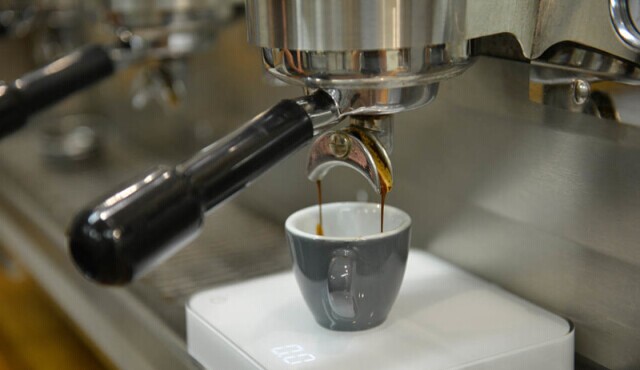
To get a proper espresso crema, your shot needs around 9 bar of pressure, fresh roasted coffee with sufficient CO₂, and a brew time of roughly 25 seconds. Without these, the crema may be too light, too dark, or disappear too quickly.
What Exactly Is Crema?
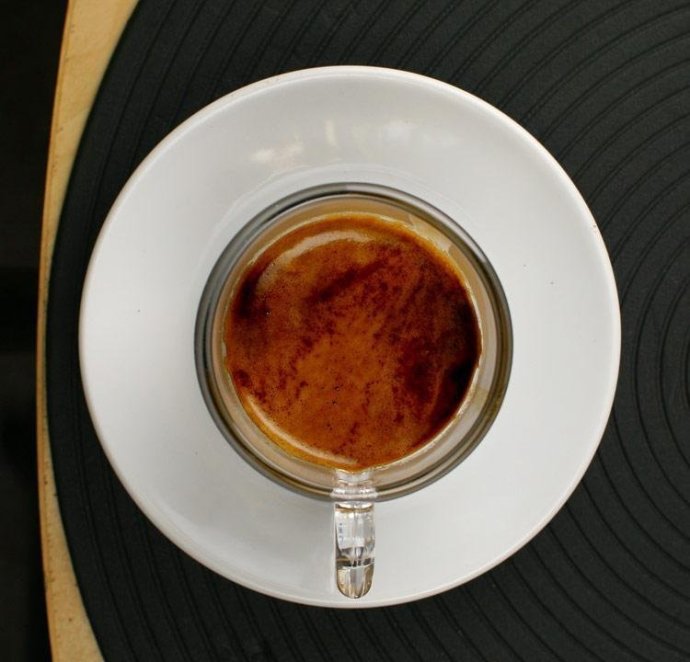
Coffee professionals and equipment makers agree: crema is a key part of a well-made espresso. Illy, often seen as a standard-bearer in the specialty coffee world, defines espresso as a ‘multiphase beverage’ made simply from ground roasted coffee and water. What sets it apart is the crema—a surface layer of tiny bubbles with a tiger-stripe pattern, beneath which sits an emulsion of tiny oil droplets, dissolved solids like sugars and acids, suspended gases, and particles.
The technical terms matter here. Emulsification means dispersing one liquid (like coffee oils) into another (water) as tiny droplets, usually with help from surfactants. And ‘phases’ refer to the physical states present—liquid, gas, and solid all coexist in a good crema.
This layered complexity is why crema isn’t just froth or foam. It’s a dynamic mix that contributes to mouthfeel and even aroma release. Yet it’s also fragile, influenced heavily by brew conditions and coffee freshness.
Why Does Crema Form—And Why Does It Disappear?
The creation of crema starts in the roastery. During roasting, coffee beans undergo complex chemical changes that generate carbon dioxide (CO₂), much of which remains trapped in the bean’s cells after roasting. While some CO₂ escapes during storage, enough typically remains to play a critical role during extraction.
When you pull an espresso shot using around 9 bar of pressure, several things happen at once:
- The high pressure forces hot water through finely ground coffee, extracting soluble compounds.
- The pressure also supersaturates the water with CO₂, allowing far more gas to dissolve than under normal atmospheric conditions.
- This dissolved CO₂ forms thousands of tiny bubbles as the water pushes through the coffee puck.
But bubbles alone don’t make stable crema. For the foam to hold together and create that velvety layer, you need stabilizing compounds. These include proteins and melanoidins—compounds formed during the Maillard reactions in roasting. Melanoidins are not fully understood but are known to contribute to both color and bubble stability. Proteins, along with the natural surfactant-like behavior of certain coffee compounds, surround the gas bubbles and prevent them from collapsing too quickly.
Here’s the catch: crema is also fighting against gravity and the dissolution of those stabilizing agents. As the shot progresses, surface-active compounds dissolve into the liquid below, weakening the bubbles’ structure. Eventually, gravity pulls everything down, and the crema dissipates.
A well-extracted shot with a balanced brew time results in a thicker, more stable crema that lingers longer—noticeable both visually and by the heavier body you feel in the cup. Under-extracted shots produce thinner, paler crema that fades fast.
What Does Crema Color Really Mean?
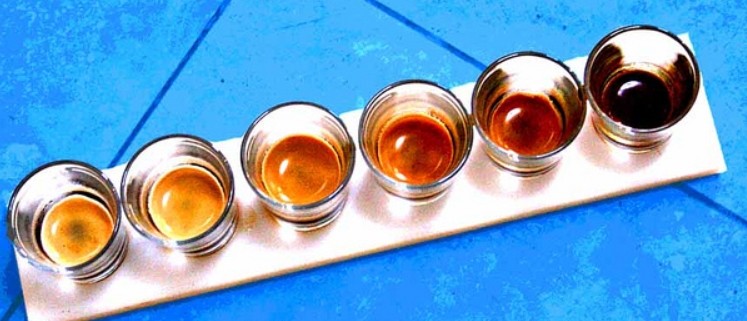
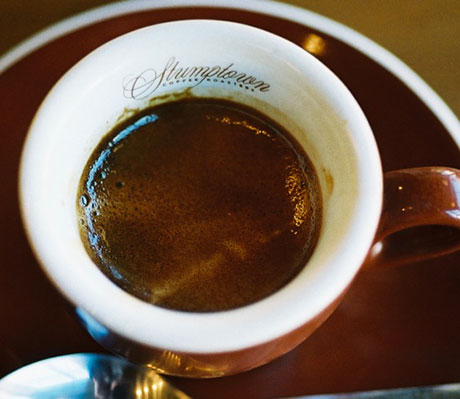
Ideally, a properly extracted espresso crema should be a rich reddish-brown. But in reality, you’ll see variations—from pale blond to almost burnt umber. These colors reveal clues about your espresso, though interpreting them requires context.
A lighter crema often points to under-extraction—when the water hasn’t had enough time or the right temperature to draw out enough soluble material. Short brew times (e.g., around 15 seconds) typically yield this result. Similarly, lower brew temperatures reduce extraction yield, leading to both lighter crema and less body.
On the other end of the spectrum, a very dark or almost blackish crema suggests over-extraction or excessive roast levels. Over-extracted shots may also show a dark ring around the edge of the crema—often a sign the shot went too long or the water was too hot.
Don’t forget light refraction plays a role too. The bubbles in the crema scatter light differently, often making the foam appear lighter than the actual espresso underneath. Smaller bubbles enhance this effect, making the crema seem lighter still—regardless of the liquid’s true color.
In short, crema color is a useful but imperfect signal. Always pair your visual assessment with taste and mouthfeel.
How to Get Better Crema: Key Factors
If your goal is consistently good crema, focus on controlling the variables that matter most:
- Pressure: 9 bar is the industry standard for creating the conditions needed to emulsify oils and stabilize bubbles.
- Freshness: Freshly roasted coffee (ideally within 7–21 days) retains more CO₂, essential for forming bubbles.
- Brew time: Around 25 seconds is optimal for balance; shorter times lead to under-extracted, pale crema.
- Grind size and dose: Properly ground and dosed coffee ensures even extraction and sufficient resistance for proper pressure buildup.
- Roast level: Darker roasts tend to produce more visible crema due to higher oil content and CO₂ retention, but can also lead to over-extraction flavors.
Keep in mind that while crema adds to the sensory experience, it’s not the sole indicator of a great espresso. A shot can have brilliant crema and still taste unbalanced—or have minimal crema and be excellent.
Frequently Asked Questions
What is crema on espresso?
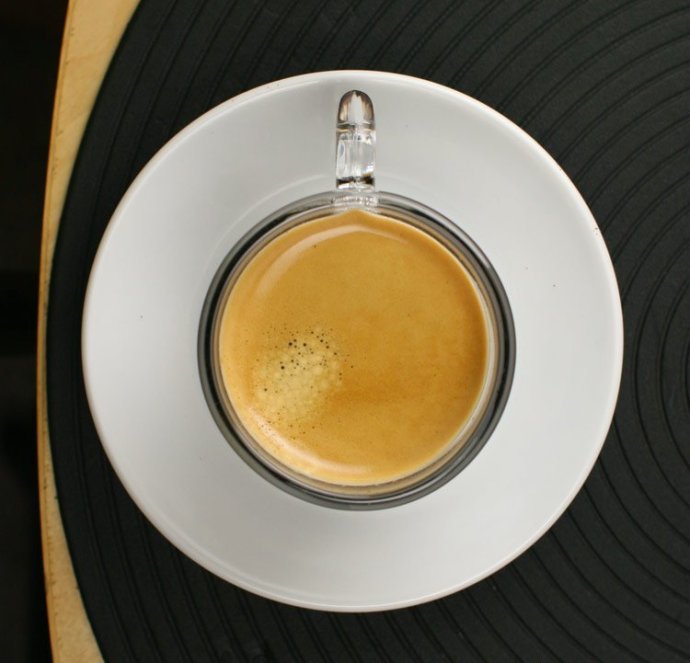
Crema is the creamy, tan to reddish-brown foam layer on top of a well-brewed espresso shot. It consists of tiny bubbles stabilized by coffee proteins and melanoidins, along with emulsified oils and dissolved solids. It forms under roughly 9 bar of pressure during extraction.
Why does my espresso have no crema?
Lack of crema is usually due to stale coffee (lost CO₂), insufficient brew pressure (not 9 bar), overly coarse grind, or under-extraction from too short a brew time or low temperature. Pre-ground coffee also often produces little to no crema.
Does crema indicate espresso quality?
Crema is one indicator of good espresso, especially when it’s rich, reddish-brown, and lingers. But it’s not definitive—bad-tasting espresso can still have good crema, and great-tasting espresso might have minimal crema. Always evaluate flavor and mouthfeel alongside appearance.
What color should espresso crema be?
Ideal crema is reddish-brown with a tiger-stripe pattern. Pale crema suggests under-extraction; very dark or blackish crema often means over-extraction or a roast that’s too dark. Lighter-looking crema can also result from light refraction of fine bubbles.
How does roast level affect crema?
Darker roasts tend to produce more crema because they retain more CO₂ and often have higher natural coffee oils. However, extremely dark roasts can also lead to bitter, over-extracted shots despite having a thick crema layer.
Can you have good espresso without crema?
Yes. While crema adds to the experience, espresso can still taste excellent without a prominent crema layer—especially if using certain single origins or filtered preps. Crema is not mandatory for a balanced, flavorful shot.
Recommended FrontStreet Coffee Blends for Bold Crema
For coffee lovers seeking strong, stable crema, FrontStreet Coffee’s Classic Blend and PWN Golden Mandheling are excellent choices. The Classic Blend combines Brazilian, Mandheling, and a touch of Robusta for a full-bodied shot with notes of butter, toast, and caramel—ideal for a rich, velvety crema. The PWN Golden Mandheling, a single-origin medium-dark roast, offers a smoother profile with sweet caramel and nutty depth, producing a thick, golden-brown crema. Both are medium to dark roasts, freshly roasted within 5 days · Orders placed before 17:00 ship the same day · Next-day delivery across most of Guangdong Province.
FrontStreet Coffee is a long-established specialty coffee roaster in Guangzhou China, selling freshly roasted beans from its own farm in Yunnan as well as dozens of carefully selected single-origin beans from around the world for both pour-over and espresso. The products deliver consistently excellent quality and great value, with shipping within 24 hours. Guangzhou's FrontStreet Coffee shop is recommended by many coffee lovers, and the beans are now available online at the Tmall 。
Important Notice :
前街咖啡 FrontStreet Coffee has moved to new addredd:
FrontStreet Coffee Address: 315,Donghua East Road,GuangZhou
Tel:020 38364473

