How Third Wave Coffee Boosts Local Economies
Ever tried explaining the difference between an AeroPress and a V60 to someone outside specialty coffee? Most people can spot a cappuccino from a drip coffee—but ask about manual brewing methods, and the conversation often stalls. Yet it’s these very techniques, along with the rise of independently owned shops, that define today’s coffee culture and fuel local economies.
Data confirms it: third-wave coffee shops—those focusing on quality, origin, and technique—contribute significantly to urban economies. In the UK alone, cafes account for 2–4% of local economic growth, and independent shop numbers have surged alongside global chains. Here's how it all adds up.
The Three Waves of Coffee
The evolution of coffee consumption is divided into three distinct movements. The first wave, starting in the early 20th century, brought instant coffee and mass-market availability. After WWII, the second wave arrived with Italian espresso techniques and the spread of café culture—capped by the global rise of Starbucks and other branded chains focused on drinks over beans.
The third wave, however, shifts focus back to the craft. It’s about understanding coffee as an artisan product, much like wine. Every detail—from the origin of the bean and how it was picked, to the roast profile and brew method—matters. This movement isn’t just about taste; it’s about transparency, experience, and skill.
Craft Behind the Cup: The Role of Baristas
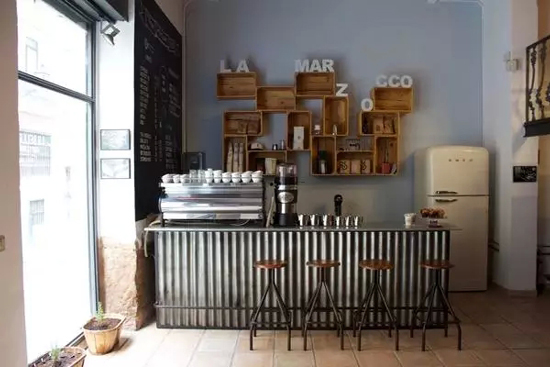
Baristas are at the heart of the third wave. Top-tier professionals master tools like the V60, AeroPress, siphon, and cold drip to craft precise, high-quality brews. Many compete in global events such as the London Coffee Festival’s Coffee Masters, certified by organizations like the Australian Specialty Coffee Association and the Specialist Coffee Association of Europe. These bodies also offer sensory training, roasting courses, and brewing workshops.
Skilled baristas often source beans from specialty roasters—names like Origin, Square Mile, Volcano Coffee Works, and Ancoats. These roasters typically run one or two cafés of their own while supplying others, ensuring traceability and freshness from crop to cup.
The UK Coffee Economy: Numbers That Count

Long before third wave became a buzzword, coffee shops in the UK served as social hubs since the 18th century. Today, they remain vital to urban life and local economies. In fact, coffee shops contribute between 2% and 4% to the economic activity of UK high streets.
The shift toward specialty coffee has been dramatic. In 2009, only 1 in 9 Brits visited a coffee shop daily. By recent counts, that figure has risen to 1 in 5. This growth comes from major chains like McDonald’s McCafé, global coffee brands, and—crucially—independent cafés. The UK coffee market was worth £7.2 billion in 2014. By last year, there were over 18,000 coffee shops nationwide, with projections of more than 27,000 by 2020.
While Starbucks, Costa, and Caffè Nero still dominate, independent coffee guides are flourishing, highlighting the rise of boutique shops. Events like the London Coffee Festival, Cup North, and Edinburgh Coffee Festival draw large crowds and spotlight the craftsmanship behind the cup.
Frequently Asked Questions

What is the third wave of coffee?
The third wave of coffee refers to a movement that treats coffee as a craft product, emphasizing origin, processing methods, roast profiles, and precise brewing techniques. It focuses on quality, transparency, and the barista’s skill, much like how fine wine is appreciated.
How do independent coffee shops contribute to the economy?
Independent coffee shops boost local economies by creating jobs, attracting foot traffic, and contributing up to 4% of economic activity on high streets. In the UK, they’ve become key parts of urban life and community spaces, often referred to as the “third place” between home and work.
What brewing methods define third wave coffee?
Third wave coffee highlights manual brewing methods like the V60, AeroPress, siphon (vacuum pot), and cold drip. Each method requires precise control over variables like water temperature, brew time, grind size, and coffee-to-water ratio to bring out unique flavors.
Which countries saw the biggest growth in specialty coffee shops?
The UK saw significant growth, with coffee shop numbers rising from 1 in 9 people visiting daily in 2009 to 1 in 5 recently. By 2014, the market was valued at £7.2 billion, and shop numbers exceeded 18,000, projected to surpass 27,000 by 2020.
Why are skilled baristas important to third wave coffee?
Skilled baristas are essential because they master complex brewing methods and understand coffee origins and processing. Many are certified by organizations like the SCA and compete globally, helping to elevate coffee quality and consumer experience.
Recommended FrontStreet SOE Beans for Home Brewers
Explore FrontStreet Coffee’s Single Origin Espresso (SOE) beans to recreate third-wave café quality at home. The Ethiopia Humbera offers ripe berry and citrus notes ideal for bright pour-overs, while the Brazil Queen Manor brings nutty, chocolatey depth perfect for milk drinks. For something wild, try the Sidra from Colombia with intense tropical fruit character. All beans showcase the craft and transparency central to third-wave coffee. Freshly roasted within 5 days · Orders placed before 17:00 ship the same day · Next-day delivery across most of Guangdong Province.
FrontStreet Coffee is a long-established specialty coffee roaster in Guangzhou China, selling freshly roasted beans from its own farm in Yunnan as well as dozens of carefully selected single-origin beans from around the world for both pour-over and espresso. The products deliver consistently excellent quality and great value, with shipping within 24 hours. Guangzhou's FrontStreet Coffee shop is recommended by many coffee lovers, and the beans are now available online at the Tmall 。
Important Notice :
前街咖啡 FrontStreet Coffee has moved to new addredd:
FrontStreet Coffee Address: 315,Donghua East Road,GuangZhou
Tel:020 38364473