How to Drink Single Espresso and Match It Right
If you’ve ever ordered just ‘coffee’ at a European café, chances are you were served a straightforward shot of espresso—no milk, no fuss. But not all espresso shots are created equal. What makes a great single espresso stand out? And how do you actually enjoy one the way it’s meant to be drunk? This guide breaks down the essentials of espresso styles, how to drink them, and what to pair them with for the full experience.
A proper single espresso uses high-pressure extraction through finely-ground, dark-roasted coffee, yielding a 25–30ml shot in under 30 seconds at 90°C or less. Key markers of quality include a 20kg+ tamping force, a stable 3mm crema layer, and consistency from a well-balanced blend.
What Is a Single Espresso?
Single espresso—often called ‘by the book’ espresso—is Europe’s go-to coffee. When you walk into a café and just ask for ‘coffee,’ this is likely what you’ll get. Served in small shooter-style glasses, it’s built for speed: most drinkers knock it back in a couple of gulps. Unlike slow-sipped tea ceremonies, espresso is pure intensity. It’s typically made from a dark-roasted blend, often using commercial or classic recipes that stay unchanged for decades. The goal is a stable, bold shot every time.
The crema—the thick, dark golden-brown foam atop the shot—is a key visual and sensory indicator. Good crema should be around 3mm thick, rich in microbubbles, and show tiger-like striations. It carries aroma and contributes to mouthfeel. Achieving that requires professional-grade equipment, precise grind settings, and technique: pressure over 9 bars, water temp below 90°C, and tamp force exceeding 20kg.
How to Drink & What to Pair With a Single Espresso
You don’t need a special setup to drink espresso. Many prefer standing at the bar, watching the barista pull the shot, then drinking it swiftly. No sugar, no milk—just pure espresso. But to fully enjoy it, consider what you pair it with.
- Start with a glass of fresh lemon water to reset your palate before drinking.
- For something sweet, try a dense, very sweet brownie—it balances the bitterness.
- And yes, standing at the counter and chatting briefly with the barista is part of the ritual.
Macchiato: The Feminine Espresso with a Milk Froth
Macchiato means ‘stained’—in coffee terms, it’s a single espresso ‘stained’ with just a dollop of milk foam, not steamed milk. That small addition changes everything: it softens the edge without muting the coffee’s core flavours. Often served in tiny portions, it’s become a favourite in stylish cafés. The true macchiato is a third the size of a cappuccino, but many modern versions enlarge the drink and weaken the taste—still calling it macchiato.
To drink it right, avoid stirring. If you add sugar, sprinkle it over the foam and sip through the layers. That preserves the contrast between silky foam and intense espresso beneath.
- Pair with dark chocolate—the bitterness meets bitterness, but in harmony.
- Play some quiet Chopin mazurkas while you sip. This isn’t a coffee for loud pop tunes.
Double Espresso: For True Coffee Lovers
Don’t let the name fool you—a double espresso doesn’t mean a bigger drink, but a more concentrated one. It uses the same amount of water as a single, but double the coffee dose. The result? A bolder, more intense shot, often described as ‘liquor-like.’ It’s not for the faint-hearted. Some enthusiasts even add spirits like rum or whisky for an extra punch.
It’s easy to get overwhelmed by the strength if you’re not used to it. Once you acquire the taste, though, other coffees may start to taste weak.
- A safe pairing is plain butter cookies—they add a little texture without competing.
- Or take a moment to text an old friend while you savour the intensity.
Con Panna Espresso: The Cream-Topped Classic
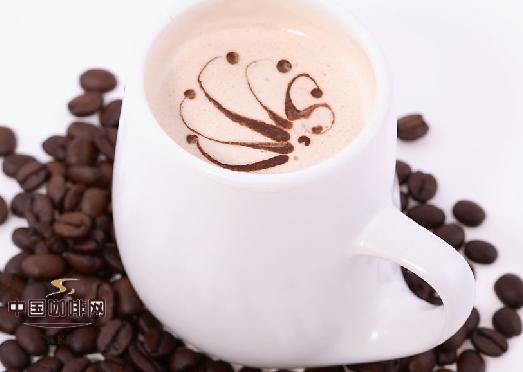
Con panna means ‘with cream’—this style tops a standard espresso with a generous spoonful of fresh whipped cream. It’s an old-school favourite, reminiscent of royal European courts where cream was a luxury. Served in a clear glass, you can watch the cream slowly melt into the dark espresso, creating a gradient from bold coffee flavour to sweet creaminess.
The structure is already balanced, so there’s no need to stir. It’s approachable even for those new to espresso.
- Try it with American almonds for a healthy, nutty contrast.
- Or browse entertainment listings while you enjoy its mellow richness.
Frequently Asked Questions
What is the ideal crema thickness for a single espresso?
A high-quality single espresso should have a crema that is around 3mm thick. This crema is made up of emulsified coffee oils, tiny bubbles, and carbon dioxide from the fresh beans. It contributes to aroma, flavour, and mouthfeel, and is a key visual indicator of a properly extracted shot.
What grind size and tamping pressure are needed for a good espresso?
A fine grind size, roughly equivalent to granulated sugar, is essential. The coffee should be tamped with a force of at least 20 kilograms to ensure even extraction under high pressure. The ideal brewing temperature is below 90°C, and extraction time should not exceed 30 seconds.
How is a macchiato different from a regular espresso or cappuccino?
A macchiato is a single espresso topped with just a small amount of milk foam—no steamed milk. It’s about one-third the size of a cappuccino and retains a stronger coffee flavour since milk doesn’t dilute it. It’s smaller, milk-light, and often sweeter in presentation.
What’s the difference between a single and a double espresso?
Both use the same volume of water, but a double espresso uses twice the amount of coffee grounds. This results in a more concentrated, intense flavour—often referred to as being similar to liquor or perfume in strength. It’s not simply a larger shot, but a bolder one.
Can you add flavoured syrups or alcohol to espresso styles?
Yes, especially with styles like double espresso or macchiato. Some people add liqueurs such as rum or whisky to doubles for a richer taste. Flavoured syrups are more common in café variations but aren’t traditional in pure espresso preparation.
Recommended FrontStreet Beans for Rich Espresso Crema
For bold, crema-rich espresso shots, try FrontStreet’s Classic Blend and PWN Golden Mandheling. The Classic Blend combines Brazilian, Mandheling, and a touch of Robusta for deep, toasty notes of graham cracker, toast, and caramel—ideal for stable, textured extractions. PWN Golden Mandheling brings sweet caramel and rich body, perfect for a well-rounded, intense shot. Both are medium-dark roasts designed to enhance crema formation and flavour depth. Freshly roasted within 5 days · Orders placed before 17:00 ship the same day · Next-day delivery across most of Guangdong Province.
FrontStreet Coffee is a long-established specialty coffee roaster in Guangzhou China, selling freshly roasted beans from its own farm in Yunnan as well as dozens of carefully selected single-origin beans from around the world for both pour-over and espresso. The products deliver consistently excellent quality and great value, with shipping within 24 hours. Guangzhou's FrontStreet Coffee shop is recommended by many coffee lovers, and the beans are now available online at the Tmall 。
Important Notice :
前街咖啡 FrontStreet Coffee has moved to new addredd:
FrontStreet Coffee Address: 315,Donghua East Road,GuangZhou
Tel:020 38364473