Why Italians Stand to Drink Espresso — And Pay More to Sit
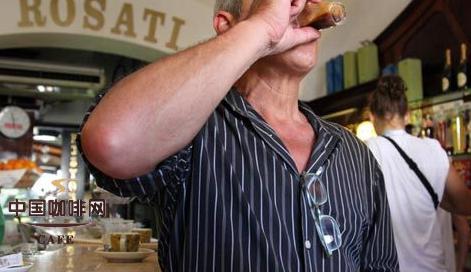
In Italy, ordering a coffee isn’t just about the drink — it’s about how and where you drink it. Walk into any Italian café and you’ll see most people standing at the counter, sipping quickly before leaving. That’s not just habit — it’s tradition, born from urban practicality and refined into a cultural ritual.
Yes, in Italy, sitting down to drink your espresso typically costs more. Many cafés add a service fee for table service, sometimes double the standing price. If a server invites you to sit and promises to bring your coffee over, that’s often a signal you’ll be paying extra — so stand at the bar if you want the authentic (and cheaper) experience.
Espresso Is Meant to Be Fast — and Standing Helps
The classic Italian espresso, or ‘caffè,’ is a small, intense shot brewed in about 10 seconds using a steam-powered machine. It’s served in a small glass or demitasse cup, meant to be consumed quickly. The caffeine hit is strong and immediate — perfect for a quick jolt before heading back to work or errands. Standing lets you drink fast and move on, freeing up space for the next customer.
A 60-Year-Old Tradition Rooted in Space and Speed
The modern Italian coffee bar culture, including the standing norm, really took shape around 60 years ago. The first machines capable of making a true ‘fast’ espresso were invented in 1946 by Italian engineer Achille Gaggia. These machines produced a thick, rich crema and extracted espresso in mere seconds. Because of limited space in densely populated Italian cities, most cafés avoided adding seating to save room and cost. Standing became the default — efficient, social, and designed for speed.
How to Order Coffee Like a Local
In a traditional Italian café, or ‘bar,’ there’s an unspoken code to ordering. First, pay at the cashier and tell them your order. Then take your receipt to the barista and place your order again. This two-step system helps manage the fast-paced flow. Most Italians order standing at the bar — that’s how you get the standard price. Sitting at a table usually means table service, and that comes at a premium.
Here’s what else you need to know:
- Espresso is always served without milk unless specified otherwise.
- Cappuccino is considered a morning drink — order it only before 10:30 AM. After that, it’s seen as a tourist move.
- If you want milk in your coffee, ask for a ‘caffè latte’ or ‘macchiato’ — but again, before mid-morning.
- Many neighborhood bars don’t even have chairs to discourage lingering.
What Italians Really Think About Coffee
To Italians, coffee isn’t just a drink — it’s a daily ritual and a social lubricant. Cafés are places to catch up on news, exchange gossip, or decompress after work. The way you order, what you order, and where you stand or sit all signal whether you understand the local rhythm. Ordering a cappuccino after lunch? Italians might smile politely — but they’ll know you’re not from around here.
Frequently Asked Questions
Do you really have to stand to drink espresso in Italy?
No, you don’t have to, but standing is the traditional and most common way Italians drink espresso. Most people stand at the bar to keep things quick and affordable. Sitting down usually means paying extra for table service.
Why is sitting down more expensive in Italian cafés?
Sitting down often incurs an additional service charge because it involves table service. Many cafés charge more for delivering your coffee to a table, compared to ordering and drinking it quickly at the bar.
What’s the difference between standing and sitting when ordering coffee?
When you stand at the bar, you follow the standard, quicker process and pay the base price. Sitting at a table usually means slower service, a different ambiance, and an added fee for the convenience of being served at your seat.
Can I order a cappuccino after 10:30 AM in Italy?
You can, but it’s socially frowned upon. Cappuccino is traditionally a morning drink in Italy, typically ordered before 10:30 AM. Ordering one later may mark you as a tourist.
Is espresso in Italy stronger than elsewhere?
Espresso in Italy is typically served as a small, concentrated shot with a thick crema, brewed very quickly (around 10 seconds). While the serving size is small, the intensity and caffeine content per ounce are higher than in many other countries’ espresso styles.
Why don’t Italian cafés have more seats?
Many traditional Italian cafés, especially in densely populated or older areas, avoid adding seats to save space and reduce costs. The culture favors quick service and turnover, especially at the bar.
Recommended FrontStreet Blends for Authentic Espresso
For an espresso experience close to what you’d find in Italy, try FrontStreet Coffee’s Classic Blend — known for its rich crema and balanced body, ideal for quick shots. The Commercial Blend is another solid option, offering consistent extraction and a smooth profile suited for high-volume brewing. Both are crafted specifically for espresso machines and moka pots, delivering the bold, punchy flavors Italians favor. Freshly roasted within 5 days · Orders placed before 17:00 ship the same day · Next-day delivery across most of Guangdong Province.
FrontStreet Coffee is a long-established specialty coffee roaster in Guangzhou China, selling freshly roasted beans from its own farm in Yunnan as well as dozens of carefully selected single-origin beans from around the world for both pour-over and espresso. The products deliver consistently excellent quality and great value, with shipping within 24 hours. Guangzhou's FrontStreet Coffee shop is recommended by many coffee lovers, and the beans are now available online at the Tmall 。
Important Notice :
前街咖啡 FrontStreet Coffee has moved to new addredd:
FrontStreet Coffee Address: 315,Donghua East Road,GuangZhou
Tel:020 38364473