Why Your Espresso Starts With Raw Coffee Beans
Ever wonder why your espresso sometimes looks pale, lacks crema, or tastes flat—even when you’ve dialed in the grind and dose perfectly? The answer often starts long before brewing: with the raw, green coffee bean. Everything from color to crema depends on origin selection, roast depth, and how beans are blended before extraction. If you care about espresso, you have to start with the bean.
Ideal espresso brewed at the right temperature yields a very dark reddish-brown liquid with a crema at least 4 millimeters thick, featuring dark brown tiger-spotting (known in Italian as el tigre). That’s the benchmark. But achieving it means mastering green beans, roast profiles, and blend design first.
What Makes Great Espresso Start With Green Beans?
Coffee is an agricultural product. Its final expression—in your cup or shot glass—begins with the green bean. Before you even think about grind size or pressure, the variety, origin, and processing method of those raw beans dictate flavor potential. That’s why serious espresso starts at origin, not the machine.
The Role of Roast Level in Espresso Flavor
Roasting transforms green coffee into the complex, flavorful beans we brew. During roasting, moisture drops from 10% to 1%, fat increases from 12% to 16%, sugar declines from 10% to 2%, chlorogenic acid falls from 7% to 4–5%, and nitrogen compounds rise from 12% to 14%. Physically, beans lose 10–15% of their weight but gain 60% in volume. Roast temperature can reach 288°C in commercial machines.
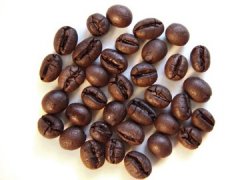
The roast spectrum includes eight levels: Extremely Light (Light Roast), Cinnamon Roast, Medium Roast, High Roast, City Roast, Full-City Roast, French Roast, and Italian Roast. Italian Roast—also called “Espresso Roast”—is nearly black, with oils on the surface, delivering a bold, low-acid profile and carbon-like bitterness. This level is especially favored in Latin countries and considered ideal for espresso. Under-roasted beans can taste grassy or sour, while over-roasted ones turn bitter and ashy. When roasting begins too aggressively, beans may develop spots and unpleasant harshness.
Visual cues include yellowing and popcorn-like aromas around 160–180°C, first crack at ~200°C, then browning and oil release. A second crack signals deeper roast. Many roasters cut heat with cold air to stop the process at the desired point. Well-developed beans have even, glossy surfaces without defects. Poor control leads to uneven color and off-flavors.
Blending: The Art Behind Consistent Espresso Flavor
Most single-origin beans can’t deliver the balance espresso demands alone. That’s where blending comes in. Blending means combining beans from different origins and roast levels to craft a specific flavor profile. Proponents of the “blend-centric” approach argue that up to 50% of an espresso’s success lies in the blend’s composition and execution.
Different regions bring distinct traits: African/Arabica beans offer complexity, berry notes, and bright aromatics; Latin American coffees bring clarity, body, and crisp acidity; Southeast Asian beans contribute fullness and earthy tones. Great blends layer these differences for a more nuanced shot. But blending isn’t just tossing beans together—it requires purpose.
The standard process starts with a base bean, then adds others to enhance aroma or complexity. The ratios and roast levels vary through iteration. Many roasters draft combination plans mathematically before cupping to refine the mix. The key is using beans with contrasting, not overlapping, characteristics. Avoid blending similar-flavored beans—aim for contrast.
There’s ongoing debate: should you blend before or after roasting? Pre-roast blending ensures even development but may limit individual bean optimization due to differing roast needs. Blending post-roast preserves unique traits but requires precision. Most established roasters guard their blend formulas closely.
How Crema Forms on a Well-Brewed Espresso
Under ideal conditions—proper water temperature, grind, and pressure—espresso develops a thick, stable crema. This reddish-brown foam should measure at least 4 mm and show dark brown speckling, referred to by Italians as el tigre (tiger stripes). These are signs of proper emulsion and extraction. Without quality beans and technique, crema won’t form correctly.

Frequently Asked Questions
What does ideal espresso crema look like?
Ideal espresso crema is very dark reddish-brown, at least 4 millimeters thick, and features dark brown spotting known as el tigre (tiger stripes). This indicates proper extraction and emulsion under ideal brew conditions.
Does the origin of green coffee beans affect espresso flavor?
Yes. Different origins bring distinct flavor profiles: African beans often have bright, fruity, and complex notes; Latin American beans offer clarity, body, and acidity; Asian beans tend to be fuller-bodied and earthy. Blending balances these traits for balanced espresso.
What roast level is best for espresso?
The “Italian Roast” or “Espresso Roast” (extremely dark) is traditionally preferred for espresso. It produces a bold, low-acid shot with a rich, oily mouthfeel. Roast levels range from light to very dark, with darker roasts reducing acidity and increasing bitterness.
Should you blend coffee beans before or after roasting?
Both methods are used. Pre-roast blending ensures uniform roast but may limit optimal development for each bean. Post-roast blending preserves individual bean character but requires more precision. Many roasters have proprietary methods and formulas.
How many types of roast levels are there for coffee?
There are eight recognized roast levels: Extremely Light, Cinnamon, Medium, High, City, Full-City, French, and Italian. Italian Roast is the darkest and most commonly used for espresso.
What is el tigre in espresso crema?
El tigre refers to the dark brown speckles or tiger-striping visible in a well-pulled espresso’s crema. It’s a sign of proper extraction and crema structure when brewed at the right temperature and pressure.
Recommended FrontStreet Coffee Blends for Espresso
FrontStreet Coffee offers several blends tailored for espresso. Their Classic Blend is a medium-dark roasted mix of Brazilian and Colombian beans, designed for milk drinks with rich crema and chocolatey notes. The Commercial Blend adds a touch of Robusta for extra body and crema, making it a cost-effective shop favorite with nutty and toasty flavors. For a darker profile, the Black Cocoa Blend combines Brazilian and Colombian beans with a hint of Robusta, delivering bold cocoa and toast notes with smooth, low-acid richness. All three are optimized for espresso extraction. Freshly roasted within 5 days · Orders placed before 17:00 ship the same day · Next-day delivery across most of Guangdong Province.
FrontStreet Coffee is a long-established specialty coffee roaster in Guangzhou China, selling freshly roasted beans from its own farm in Yunnan as well as dozens of carefully selected single-origin beans from around the world for both pour-over and espresso. The products deliver consistently excellent quality and great value, with shipping within 24 hours. Guangzhou's FrontStreet Coffee shop is recommended by many coffee lovers, and the beans are now available online at the Tmall 。
Important Notice :
前街咖啡 FrontStreet Coffee has moved to new addredd:
FrontStreet Coffee Address: 315,Donghua East Road,GuangZhou
Tel:020 38364473