How to Tell Good Espresso from Bad
You take a sip of espresso and instantly know something’s off—the taste is thin, sour, or overly bitter. But what exactly makes a great shot stand apart from a poor one? Even experienced coffee drinkers can struggle to pinpoint why one espresso sings while another falls flat. Here’s how to evaluate espresso like a pro, using clear, sensory benchmarks.
The short answer? A well-made espresso should be 25–30ml, served in a pre-warmed white ceramic cone cup, with thick golden-brown crema, balanced flavor, and a temperature between 75–80°C. Anything outside these ranges usually means a technical or brewing issue.
What Defines a Quality Espresso Shot?
An espresso is not just a small black coffee—it’s a concentrated brew made by forcing hot water through finely-ground coffee under pressure. The best espressos balance strength, sweetness, acidity, and body in a tiny cup. Every element, from the amount of coffee extracted to the temperature of the cup, influences the final result. Getting these variables right ensures clarity of flavor and a satisfying mouthfeel.
Espresso Volume & Serving Cup
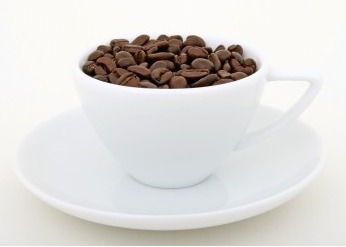
The optimal espresso shot size is 25–30 milliliters (about 1 ounce). This volume is extracted from roughly 7–9 grams of finely ground coffee. The shot must be served in a white ceramic cone-shaped cup, which helps highlight crema color and preserves heat. Avoid wide-brimmed cups—they let the espresso cool too fast. Over-extracted shots (too much volume) taste diluted, almost like Americano-like watered-down coffee, while under-extracted ones (too little volume) become overly intense and unbalanced.
Crema: The Hallmark of a Good Espresso
The reddish-brown foam sitting atop your espresso is called crema, and it’s a key indicator of brew quality. High-quality crema is thick, smooth, glossy, and aromatic—with a rich, creamy scent. Ideally, it should be neither too light (which suggests rushed extraction and weak flavor) nor too dark (which hints at over-extraction and excessive bitterness). The crema must fully cover the espresso, feel dense and compact enough to push with a spoon, and hold its structure. Its color and texture reveal how well the coffee’s essential oils and gases were released during brewing.
Milk Textures in Milk-Based Drinks
When evaluating espresso-based drinks like cappuccino or latte, the milk matters just as much. In a proper cappuccino, steamed milk is textured to create microfoam, which rises as the denser liquid settles. A skilled pour leaves a distinct espresso crema layer visible at the cup’s base. A classic latte features three clear layers: a 1 cm cap of milk foam on top, hot milk in the middle, and a shot of espresso poured through both. Any muddiness or lack of layering often points to poor milk technique or espresso flaws.
Aroma: What Should Good Espresso Smell Like?
A high-quality espresso releases a captivating fragrance the moment it’s served. The aroma should include notes of fresh fruit (both sweet and tart), subtle bitterness, occasional spice, and woody or floral undertones. These complex scents indicate fresh, properly roasted, and well-ground beans. In contrast, stale, low-grade, or pre-ground coffee results in dull, flat, or unpleasantly sharp smells—often masked by charred or sour tones.
Temperature: Why It Matters So Much
The ideal serving temperature for espresso is 75–80°C. The cup itself should be preheated to 35–40°C to maintain thermal stability. If the espresso is brewed too hot (above 85°C), the crema burns, leading to harsh, bitter flavors. Too cool (below 70°C), and the aromatic compounds don’t fully develop. For the best experience, drink the espresso within two minutes of brewing—this is when its volatile aromas and balanced flavors are at their peak.
Taste: The Final Test
The ultimate measure of espresso quality is flavor. A great shot delivers intense, fragrant notes with a rich, chocolatey body and a long, pleasant aftertaste. The flavor should linger without turning sour, salty, or astringent. Only when an espresso meets these standards can it serve as the foundation for exploring other coffee styles, from milk drinks to single-origin pour-overs. If the base shot lacks balance, complexity, or crema, it’s a sign the brewing process needs adjustment.
Frequently Asked Questions
What is the ideal espresso shot size?
The standard espresso shot should be 25–30 milliliters. This volume is extracted using around 7–9 grams of coffee and is considered optimal for balancing concentration and flavor complexity.
Why is crema important in espresso?
Crema is the reddish-brown foam on top of espresso and indicates proper extraction. Good crema is thick, glossy, smooth, and aromatic. It should fully cover the coffee and be dense enough to move with a spoon. Poor crema often signals issues with grind size, pressure, or freshness.
What temperature should espresso be served at?
Espresso should be served at 75–80°C. The cup should be preheated to 35–40°C. Serving outside this range can ruin flavor—either by burning the crema or failing to release aromatic compounds.
How can I tell if my espresso has gone wrong?
Signs of a bad espresso include thin or sour taste, overly bitter notes, weak or non-existent crema, incorrect color (too light or too dark), and poor temperature (either too hot or cold). Milky drinks may also show poor layering or muddled textures.
Does the cup shape affect espresso quality?
Yes. A white ceramic cone-shaped cup is ideal—it preserves heat and highlights crema color. Wide or shallow cups cause faster cooling and can make the espresso appear lighter or less vibrant.
What should a latte or cappuccino look like?
A latte has three layers: 1 cm of foam, hot milk, and espresso. A cappuccino should show some crema at the bottom once the milk settles. Poorly textured milk or bad pouring technique leads to muddled drinks with no distinct layers.
Recommended FrontStreet Blends for Espresso
For excellent espresso, try FrontStreet Coffee’s Classic Blend, known for its outstanding crema and smooth, rounded flavor—ideal even for home setups. The Black Cocoa Blend offers bold body and rich chocolate notes at a great value, perfect for cafés watching costs. Both blends produce thick, stable crema and work well in a range of machines. Freshly roasted within 5 days · Orders placed before 17:00 ship the same day · Next-day delivery across most of Guangdong Province.
FrontStreet Coffee is a long-established specialty coffee roaster in Guangzhou China, selling freshly roasted beans from its own farm in Yunnan as well as dozens of carefully selected single-origin beans from around the world for both pour-over and espresso. The products deliver consistently excellent quality and great value, with shipping within 24 hours. Guangzhou's FrontStreet Coffee shop is recommended by many coffee lovers, and the beans are now available online at the Tmall 。
Important Notice :
前街咖啡 FrontStreet Coffee has moved to new addredd:
FrontStreet Coffee Address: 315,Donghua East Road,GuangZhou
Tel:020 38364473