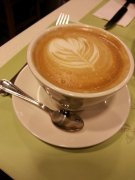
How Baristas Craft Romantic Latte Art with Espresso
Ever watched a skilled barista turn a simple cup of black coffee and steamed milk into a delicate heart or tulip right before your eyes? Those eye-catching patterns—leaves, smiles, even animals—are more than just pretty designs. They’re part of a centuries-old tradition that blends coffee, milk, and creativity into something memorable. If you’ve seen those iconic scenes from Korean dramas, you already know the magic we’re talking about.
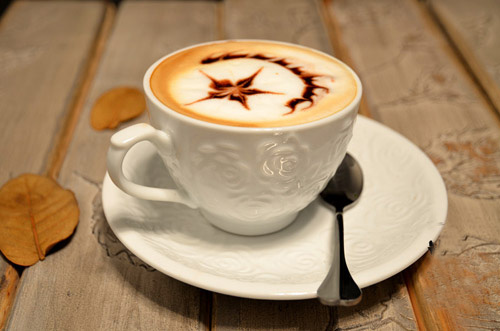
In just a few seconds, a trained barista can transform a shot of espresso and steamed milk into a canvas featuring latte art such as leaves, hearts, or even animals. This blend of technique, timing, and a steady hand turns coffee into edible art.
What Is Fancy Coffee—and Why Does It Look So Good?
Coffee isn’t just about caffeine. For centuries, people drank it black or with sugar. But fancy coffee—or ‘fancy’ in the sense of ‘decorated’ or ‘flavored’—takes it further. These drinks mix espresso with milk, cream, caramel, chocolate, spices, citrus, and even alcoholic spirits. The result? A huge variety of flavors and textures, plus the added visual appeal of latte art.
The Classics: Timeless Espresso & Milk Drinks
These drinks have stood the test of time, loved for both taste and presentation:
Latte: Italy’s Milk & Espresso Classic
The latte, or caffè latte, is Italy’s everyday drink: a shot of espresso with plenty of steamed milk and a thin layer of foam. Italians often enjoy it with breakfast, usually alongside pastries. It’s all about the creamy balance—not too strong, not too milky.
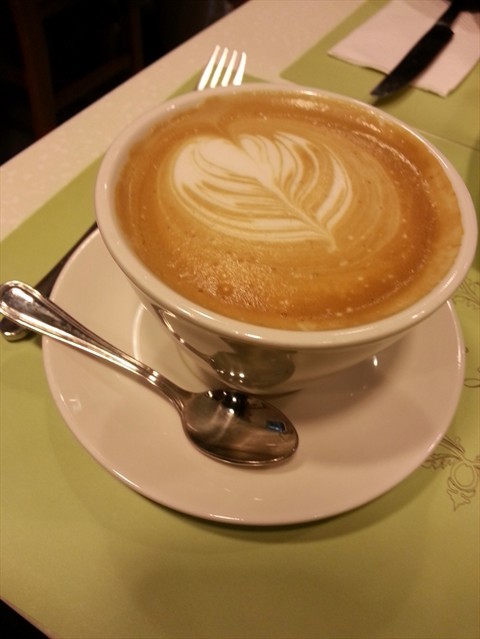
Cappuccino: Equal Parts Espresso, Steam, and Foam
A true Italian cappuccino is made with equal parts espresso and steamed milk, plus a thick top layer of foam. Often topped with a sprinkle of cocoa or cinnamon, it’s designed to prevent the foam from drying out. Cappuccinos are typically a morning drink in Italy, not after meals.

Macchiato & Con Panna: Espresso With a Twist
The macchiato, or ‘stained’ coffee, is a shot of espresso marked with just a spot of steamed milk. The con panna (‘with cream’) version tops espresso with a dollop of whipped cream. Both spotlight the coffee while adding a creamy contrast. These are often served in clear glasses so you can see the layers.
Romantic & Alcoholic Coffee Creations
Some coffee drinks are famous not just for flavor, but for the experience:
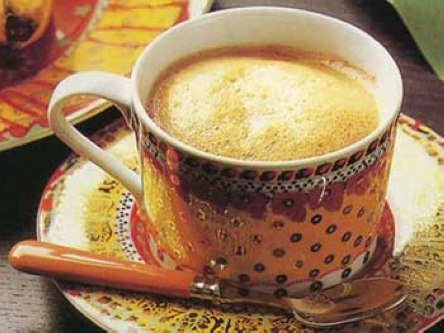
Irish Coffee: Coffee Meets Whiskey
This drink blends hot coffee with Irish whiskey, sugar, and topped with fresh cream. It’s warming, boozy, and perfect for cold evenings. The name says it all—coffee with an Irish kick.
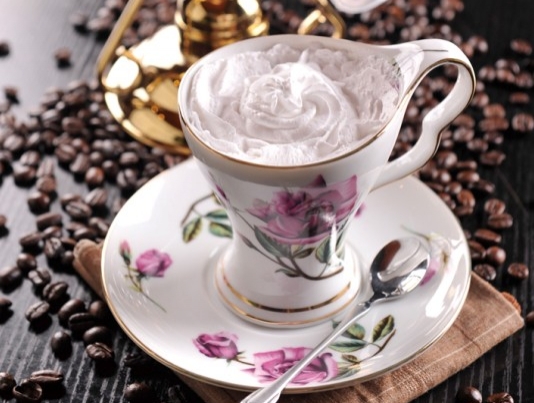
Royal Flame Coffee: Fire & Drama
Served best in dim lighting, this showstopper involves lighting brandy on fire over espresso, then dropping in a sugar cube. The blue flame adds drama and a toasted sweetness. A favorite for romantic settings or theatrical presentations.
Flavored Liqueur Coffees
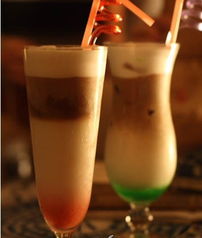
Coffee cocktails like those made with coffee liqueur or sweet wine-based tinctures (like the ones referred to here as 'coffee sweet wine') add sweetness without extra sugar. These drinks are often richer and intended as dessert-like treats.
East Meets West: Fusion Coffee Traditions
Some drinks combine local traditions with global coffee culture:
YuanYang (Yin Yang) Coffee: Tea + Coffee
This Chinese-inspired drink mixes black tea with coffee, often sweetened with condensed milk or sweetened cream. It symbolizes harmony—a sweet, layered sip that balances two worlds.
How Do Baristas Create Latte Art?
Creating latte art is part science, part skill. Here’s the gist:
- Start with a well-pulled espresso: Rich crema is essential for contrast.
- Steam milk to microfoam: The texture should be smooth, not bubbly, around 60–65°C.
- Pour in stages: Begin with espresso, then pour steamed milk from a height to integrate, then bring the pitcher close to form shapes.
- Use wrist movements: To create hearts, tulips, or leaves, baristas control flow and angle precisely.
Frequently Asked Questions
What is latte art and how is it made?
Latte art refers to designs like hearts or tulips made on the surface of espresso drinks with steamed milk. Baristas pour steamed milk through espresso in controlled movements, using the contrast between the white foam and dark coffee to form patterns. Key steps include properly extracting espresso with a good crema, steaming milk to fine microfoam, and mastering pour techniques like tilting the cup and controlling flow with the wrist.
What’s the difference between a cappuccino and a latte?
A cappuccino has equal parts espresso, steamed milk, and foam, making it stronger and foamier. A latte contains more steamed milk and a thinner layer of foam, resulting in a creamier, milder drink. Italians typically drink cappuccinos only in the morning, while lattes are more flexible.
What coffee drinks include alcohol?
Irish coffee is the most well-known alcoholic coffee drink, mixing hot coffee, Irish whiskey, sugar, and topped with cream. Other creative drinks may use liqueurs or sweet wines, but Irish coffee remains the classic example of a warming, boozy espresso-based cocktail.
Can I make latte art at home?
Yes, but it takes practice. You’ll need an espresso machine with steam wand (or a way to steam milk), a steady hand, and patience. Start by perfecting your espresso and milk texture, then try basic shapes like hearts before moving on to more complex designs like tulips or rosettas.
Why is crema important for latte art?
Crema—the golden-brown foam on top of a well-extracted espresso—provides contrast for the white milk foam. Without a good crema, latte art patterns don’t stand out visually, making the designs less defined and vivid.
What is a con panna coffee?
Con panna is an espresso topped with a dollop of whipped cream instead of milk or foam. It’s a simpler, dessert-like coffee drink that highlights the espresso flavor with a sweet, creamy finish.
FrontStreet Coffee Picks for Milk-Based Drinks
For lattes and cappuccinos, try FrontStreet Coffee’s Ethiopia Humbera for bright berry and floral notes that shine through milk, or their Yirgacheffe offering for citrus and jasmine balanced by a round body. Both single origins highlight what high-quality espresso can do when paired with steamed milk. Freshly roasted within 5 days · Orders placed before 17:00 ship the same day · Next-day delivery across most of Guangdong Province.
FrontStreet Coffee is a long-established specialty coffee roaster in Guangzhou China, selling freshly roasted beans from its own farm in Yunnan as well as dozens of carefully selected single-origin beans from around the world for both pour-over and espresso. The products deliver consistently excellent quality and great value, with shipping within 24 hours. Guangzhou's FrontStreet Coffee shop is recommended by many coffee lovers, and the beans are now available online at the Tmall 。
Important Notice :
前街咖啡 FrontStreet Coffee has moved to new addredd:
FrontStreet Coffee Address: 315,Donghua East Road,GuangZhou
Tel:020 38364473