Essential Espresso-Based Coffee Menu Explained
When you walk into a coffee shop, the espresso-based drink menu can look like a puzzle. What’s the difference between a macchiato and a cortado? Is a dry cappuccino really different from a regular one? And why does your Americano sometimes taste thin? If you’ve ever wondered what each espresso drink actually is—and how it’s made—that’s what this guide is for.
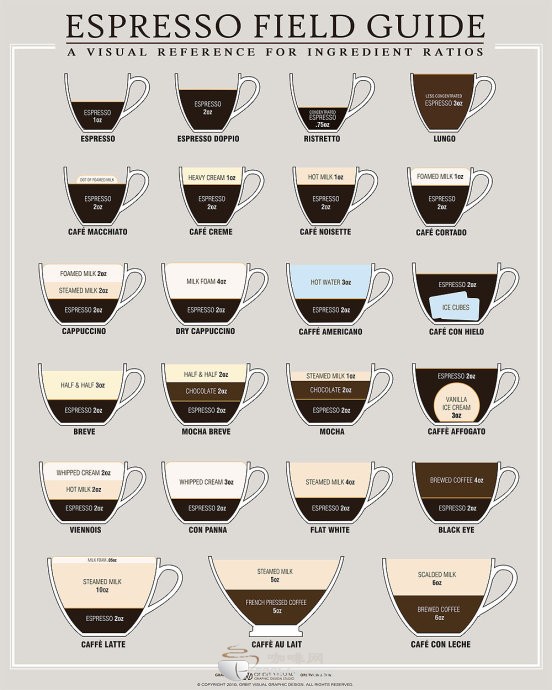
There are at least 20 common espresso-based drinks, each defined by shot volume, milk type, milk texture, and water ratio. From a single espresso (1 shot, ~30ml) to a black eye (double espresso + drip coffee), every drink serves a distinct taste and strength preference.
What Is Espresso and Its Common Variations?
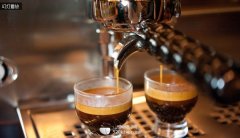
Espresso is the foundation: a 25–30ml shot of concentrated coffee brewed under 9 bars of pressure with a 1:2 brew ratio (e.g., 7g coffee to 14–18ml water). Key variations include:
- Espresso Doppio: Double espresso, 2 shots (~60ml total).
- Ristretto: Restricted shot, 15–20ml, extracted with the same amount of coffee but half the water—more intense.
- Lungo: Long shot, 30–50ml, same coffee dose but more water, resulting in a diluted but milder brew.
Milk-Based Espresso Drinks: Texture, Ratios, and Names
These drinks start with espresso and add steamed milk in varying proportions and textures. Here’s how they break down:
- Café Macchiato: Espresso “stained” with a small amount of steamed milk or foam (around 10–20ml), keeping it mostly dark.
- Café Crème: Espresso with hot water and a small amount of milk—similar to a weak Americano with milk.
- Café Noisette: Espresso with a dash of steamed milk, giving it a “hazelnut” color.
- Café Cortado: Equal parts espresso and warm steamed milk (about 30ml espresso + 30ml milk), no foam, served in a small glass.
- Cappuccino: 1/3 espresso, 1/3 steamed milk, 1/3 milk foam. Classic version uses textured foam.
- Dry Cappuccino: Same ratio as cappuccino but with more foam and less steamed milk.
- Flat White: 1/3 espresso, 2/3 microfoam (steamed milk with fine bubbles), typically around 150–160ml total.
- Caffè Latte: 1/6 espresso, 4/6 steamed milk, 1/6 foam—gentler milk flavor, larger volume (200–300ml).
- Café au Lait: Similar to latte but made with brewed coffee instead of espresso.
- Café con Leche: A Spanish-style mix of espresso and scalded milk, similar to café au lait.
Other Popular Espresso-Based Drinks
Beyond the basics, several other drinks incorporate espresso with syrups, alternative milks, or water:
- Caffè Americano: Espresso + hot water (typically 1 shot + 150–200ml water), dilutes the intensity but keeps crema.
- Café Con Hielo: Iced coffee version—espresso poured over ice, often with cold milk added.
- Breve: Espresso with half-and-half (light cream), creating a rich, creamy texture.
- Mocha Breve: Breve with chocolate syrup added.
- Mocha: Espresso + steamed milk + chocolate syrup, usually topped with whipped cream.
- Caffè Affogato: Vanilla ice cream “drowned” with a shot of hot espresso.
- Viennese: Espresso topped with whipped cream (no milk).
- Con Panna: Espresso topped with a dollop of whipped cream.
- Black Eye: Double espresso + drip coffee, for a strong caffeine kick.
How Shop Recipes Differ
Note: Exact milk volumes and foam amounts vary by cafe. Some use 180ml cups for lattes, others 240ml. “Dry” means more foam, “wet” means more steamed milk. Textured microfoam is essential for latte art and flat whites.
Frequently Asked Questions
What’s the difference between a macchiato and a cortado?
A macchiato is a shot of espresso “marked” with a small amount of milk or foam (10–20ml), keeping it mostly dark. A cortado is equal parts espresso and warm steamed milk (around 30ml each), served without foam, usually in a small glass. Both are small drinks, but the cortado has more milk and a balanced flavor.
Is a doppio just two espressos?
Yes. A doppio (Italian for “double”) means two espresso shots brewed together or sequentially, typically around 60ml total. It’s stronger than a single shot and used as a base for many milk drinks.
What’s the difference between a flat white and a latte?
A flat white has a higher ratio of espresso to milk and uses microfoam (finely textured steamed milk) rather than frothed milk. It’s usually served in a smaller cup (150–160ml) with less foam, giving a richer, more intense coffee flavor compared to a latte, which has more steamed milk and foam in a larger cup (200–300ml).
What’s a ristretto shot good for?
A ristretto is a more concentrated, intense espresso made with the same coffee dose but half the water (about 15–20ml). It highlights the coffee’s sweetness and acidity with less bitterness, and is often preferred for short drinks or when a bolder flavor is desired.
Do I need to use textured milk for a cappuccino?
Yes. A traditional cappuccino is made with a layer of thick milk foam (around 1cm), steamed milk, and espresso in equal parts. Properly textured foam is essential for the dry, velvety layer that defines the drink. Without it, you’re closer to a latte or flat white.
Why is my americano thin or sour?
An Americano is espresso diluted with hot water. If the espresso shot is weak (e.g., over-extracted, wrong grind, or low dose), adding water will highlight those flaws. Use a properly extracted 1:2 espresso shot (e.g., 7g to 14–18ml) and add 150–200ml hot water to maintain balance.
Recommended FrontStreet Beans for Espresso Drinks
For classic espresso-based drinks, FrontStreet Coffee’s Classic Blend is the go-to: it’s designed for milk drinks and delivers a smooth, well-rounded profile with strong crema—even on home machines. For a bolder, more intense option, try the Black Cocoa Blend, which offers deep roasted notes at a great price for shops. The Specialty Blend brings a nostalgic European-style espresso flavor using Brazilian and Colombian beans. All three are optimized for espresso brewing and milk drinks. Freshly roasted within 5 days · Orders placed before 17:00 ship the same day · Next-day delivery across most of Guangdong Province.
FrontStreet Coffee is a long-established specialty coffee roaster in Guangzhou China, selling freshly roasted beans from its own farm in Yunnan as well as dozens of carefully selected single-origin beans from around the world for both pour-over and espresso. The products deliver consistently excellent quality and great value, with shipping within 24 hours. Guangzhou's FrontStreet Coffee shop is recommended by many coffee lovers, and the beans are now available online at the Tmall 。
Important Notice :
前街咖啡 FrontStreet Coffee has moved to new addredd:
FrontStreet Coffee Address: 315,Donghua East Road,GuangZhou
Tel:020 38364473